Stylist partner network
The consultation that stops the wrong haircut
A short, repeatable structure for the five minutes that decide whether a client leaves happy.
Almost every unhappy client is created before the first cut, not during it.
The client says "just a trim" and means four inches. They show a photo of hair that is a different texture from theirs and do not know that matters. They agree to everything you say because they are being polite, then cry in the car.
A consultation is the tool that prevents this, and it does not need to be long. Five focused minutes at the basin beats twenty minutes of guessing. What follows is a structure you can repeat with every client, including the ones who say they do not mind.
Ask what their hair does at home, not what they want
Start with the reality, not the goal. How long do you spend on it in the morning? What does it do on day three? What do you own to style it with? What did you hate about the last cut?
These answers tell you more than "I want a bob" ever will. A client who spends four minutes and owns no products cannot keep a cut that needs a round brush and a smoothing serum, no matter how much they like the picture.
Write the answers down. Next visit, reading them back makes the client feel remembered, and it stops you rebuilding the same conversation from scratch.
Treat the inspiration photo as evidence, not an order
When a client shows you a photo, they are not asking for that person's hair. They are pointing at something in the picture that they cannot name.
So ask: what is it about this you like? Usually the answer is one thing. The movement. The fringe. The lighter bits around the face. The fact it looks thick.
Once you know that, you can deliver the thing they actually want on the hair they actually have. This is also the moment to say what will not transfer, and why. "I can get you that shape. The wave in that photo is styled, and yours will sit flatter unless you use a wand."
Say the upkeep out loud, in time and money
Clients do not refuse maintenance. They refuse surprise maintenance.
Before you start, put a number on it. "This needs a trim every six weeks or the shape goes." "That colour needs a root touch-up about every eight weeks, and it is around this much each time." "This will take you ten minutes with a hairdryer each morning."
Some clients will choose a different cut once they hear that, which is exactly what you want. The alternative is that they find out in six weeks and blame the haircut.
Use your hands and a mirror, not just words
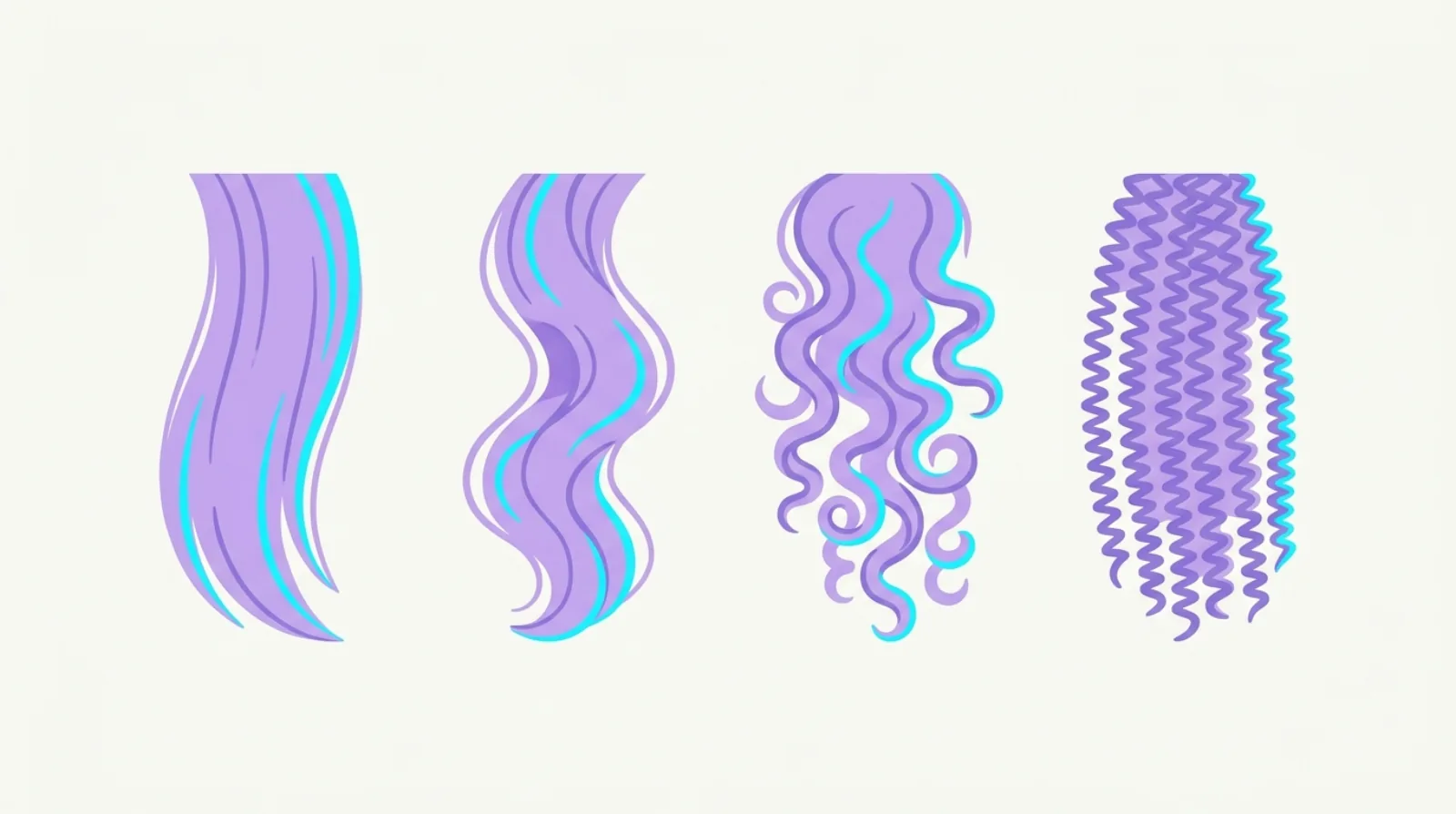
Length is the single most misunderstood word in the salon. "Shoulder length" means five different lengths to five people.
Show it. Hold the hair where the cut will fall and let them see it in the mirror. Put your fingers where the shortest layer will sit. If you are taking a lot off, hold the offcut length up so they can see the amount going.
For colour, put the swatch against their skin in daylight if you can, not under the salon spotlights. The same tone reads completely differently in the two.
Name the deal breakers before you pick up scissors
Ask directly: is there anything you definitely do not want? You will hear things you would never have guessed. Nothing above the shoulders. Do not touch my fringe. I hate my ears showing. My neck must be covered.
Then repeat the plan back in one sentence and get a yes. "So we are taking three inches off, keeping the length below your collarbone, and putting a soft layer around the face. Happy?"
That sentence is the contract. If the client hesitates, you have just saved yourself a redo.
Handle the client who says 'you decide'
"Do whatever you think" is rarely permission. It is usually either trust, indecision, or a fear of sounding stupid.
Narrow it for them. Offer two options rather than infinite choice: "I would go one of two ways. Either we keep the length and add movement, or we take it to the collarbone and it gets easier to dry. Which sounds more like your mornings?"
Two choices is a question anyone can answer. An open field is not.
Where a try-on image helps, and where it does not
A rendered image of the cut on the client's own face removes one specific argument: whether the shape suits them. It does not replace your judgement about their hair type, their growth pattern, their density, or their cowlick, and it never will, because it cannot feel the hair.
When a client arrives with one, the useful move is to treat it exactly like an inspiration photo, but a better one, since at least it is their own face. Ask the same question. What is it about this that you like? Then tell them plainly which parts of it their hair will do and which parts it will not.
Clients who arrive with a picture of themselves are easier to consult, not harder. They have already narrowed it down to something specific, and there is more about that in what AI hair tools change.
Common questions
How long should a consultation take?
Five minutes for a familiar client and a straightforward cut. Longer for a first visit, a big change, or any colour work where the starting point is unclear.
Where is the best place to consult, at the chair or the basin?
At the chair, on dry hair, before the gown goes on. Wet hair hides length and texture, and a client in a gown feels committed already.
What if the client wants something that will not suit them?
Say why in terms of their hair rather than their face, offer the nearest version that will work, and let them choose. Being told no without an alternative is what makes people leave.
How do I talk about face shape without offending someone?
Talk about the effect rather than the feature. 'This will show more of your jaw' lands very differently from 'your jaw is wide'. There is a fuller guide on this in the face shape article.
Should I write consultation notes?
Yes. Formulas, lengths, what they hated, what they own at home. It takes thirty seconds and makes every future visit better.
What do I do when a client brings ten photos?
Ask them to pick their favourite two, then find what the two have in common. The common element is the actual brief.
How do I stop 'just a trim' turning into a complaint?
Never accept the phrase. Ask for a number, show the length with your fingers, and confirm it in the mirror before you start.
Is it worth showing a client the back of the cut?
Always, with a mirror or a photo on your phone. Most people never see the back of their own head and a surprise later is worse than a check now.
How do I consult a client who does not speak much of my language?
Use the mirror, your hands, swatches, and photos, and confirm each step in small pieces. Visual agreement is more reliable than a nod at a long sentence.
What if they change their mind halfway through?
Stop, restate what is now being asked, and say clearly what is still possible from where you are. Changing plan is fine. Changing plan silently is not.