The complete guide
Women's hairstyles
The right women's hairstyle comes down to three things: the shape of your face, the type of hair you have, and how much time you want to spend on it. This hub covers the most-loved cuts and styled looks in plain language, from everyday hair you can wash and wear to polished styles for a big event. Some entries are cuts you ask for at the salon, and some are looks you create at home with a few tools. Pick a style below to learn what it is, who it suits, how to do it, and how to keep it looking good.
Start with your face, your hair, and your time
A style that looks amazing on someone else can fall flat on you if it fights your face shape, your hair type, or your daily routine. The fix is to plan around all three before you commit.
Start with your face. Length on top and around the face makes a round or square face look a little longer and softer. Face-framing layers and curtain bangs both do this well, because they sit on an angle instead of a flat line. A long, blunt style can drag a long face down, so a bit of width or a wave helps there instead. If you are not sure what shape you have, our face shape quiz gives you a quick read, and the full hairstyles by face shape hub breaks down every shape one by one.
Next, look at your hair type. Fine hair can go flat, so it loves cuts and styles that add body, like long layers or a blowout. Thick hair already has body, so the goal is to control it with layers so it moves instead of puffing out. Wavy and curly hair need moisture and gentle care to stay defined. The hairstyles by hair type hub goes deeper on each texture.
Last, be honest about your time. A sleek low bun takes five minutes and holds all day. A full blowout or old Hollywood waves take more work and more heat. There is a good option at every level of effort, so choose the one that fits the time you will really spend, not the time you wish you had.
Put the three together and the choice gets clear fast. Say you have a round face, fine hair, and about ten minutes in the morning. Your face wants length and softness, your hair wants body, and your time is short. A pair of long layers with soft beachy waves checks all three boxes. Change one part of that list and the answer changes with it. That is why it pays to sort all three before you pick, instead of chasing a look you saw on someone with a different face, different hair, and a different morning.
Cuts and styled looks are two different choices
It helps to know that the ten guides in this hub fall into two groups, and they solve different problems.
A cut changes the shape of your hair at the salon, and it lasts for weeks. When you ask for long layers, curtain bangs, face-framing layers, or a butterfly cut, your stylist removes length and adds shape so your hair falls a certain way every day. A cut is a bigger decision because you cannot undo it quickly. It also does the most to flatter your face shape, since it sets the outline of your hair around your features. If you are picking a cut, it is worth thinking about length too, and our haircuts by length hub compares short, medium, and long.
A styled look is something you create on the hair you already have, and it lasts a day. Beachy waves, a blowout, old Hollywood waves, a sleek low bun, a half-up half-down look, or a high ponytail all work with your current cut. You reach for these when you want a change for a party, a date, or a workday without going near the scissors. Styled looks are low risk. If you do not like it, you wash it out and start over tomorrow.
So which do you need right now? If your hair feels stuck, heavy, or hard to style no matter what you do, that is a sign you need a new cut. If your cut is fine but you want something different for one day, you need a styled look. A cut is the long-term decision, and a styled look is the quick change on top of it. Knowing which problem you are solving stops you from cutting off length you did not need to lose.
Most people use both. You get a cut two or three times a year that suits your face and your hair type, then you switch between styled looks day to day. A great cut makes every styled look easier, because the layers and length are already working in your favour. Long layers, for example, curl into beachy waves faster and hold a half-up half-down style with less effort than one blunt length would.
How face shape and hair type work together
Face shape and hair type are not separate choices. They work as a pair, and the best style is the one that pleases both at once.
Here is how they connect. Your face shape tells you the goal. A round or square face usually wants a little length and softness near the jaw. A long face wants some width and a break in the length so it does not read even longer. An oval face is already balanced, so it suits almost anything. Heart-shaped faces often like a bit of fullness lower down to balance a wider forehead. That goal is the same no matter what hair you have.
Your hair type tells you how to reach that goal. Say your face wants softness around the jaw. On straight hair, face-framing layers plus a light wave get you there. On wavy or curly hair, the softness is already built in, so you just need a cut that lets the curl fall in the right place. Fine hair reaches a soft frame with a blow-dry or a few curls, while thick hair reaches it by removing weight with layers so the shape moves.
The two can pull in different directions, and that is fine. Curly hair adds volume, which is great for a long face that wants width but tricky for a round face that does not want extra width at the cheeks. The answer is to place the volume where it helps: let curls fall longer so the width sits below the jaw. When you read each guide, look at both the face-shape notes and the hair-type notes, and pick the version that fits your pairing.
A few common pairings make this real. Fine hair with a round face does well with long layers and a light blowout, which add the height and length the face wants without going flat. Thick, wavy hair with a square face suits face-framing layers and soft beachy waves, which trade weight for movement and soften a strong jaw. Straight hair on an oval face can go almost anywhere, from a high ponytail to old Hollywood waves, because nothing needs correcting. Colour can help too, since face-framing highlights draw the eye where you want it, and the hair colour hub covers that.
How to use these guides
Every guide in this hub follows the same simple plan, so you always know where to look.
Each one covers what the style is, the main versions of it, which face shapes and hair types it suits, how to do it or ask for it, and how to keep it looking good. If you want a cut, start with long layers, curtain bangs, face-framing layers, or the butterfly cut. If you want a look for tonight, jump to beachy waves, a blowout, old Hollywood waves, a half-up half-down style, a high ponytail, or a sleek low bun.
A good order is to sort your face shape first, then your hair type, then your effort level. Use the face shape quiz to confirm your shape. Read the hairstyles by face shape and hairstyles by hair type hubs to learn your goal and your texture. Check haircuts by length if you are deciding how much to keep. Look at bangs and fringe if you are thinking about a fringe, and hair colour if colour is part of the plan.
You do not have to read every guide to get value. Pick the two or three styles you are drawn to and read those closely. Each guide is written to stand on its own, so you can start anywhere. If a style turns out to be wrong for your hair type or your routine, the guide will tell you plainly and point you to a better fit. That saves you from a cut you would regret, which is the whole reason this hub exists.
When you have a style in mind, the fastest way to be sure is to see it on your own face. Head to Kurli, upload a selfie or use your webcam, and let it read your face and render the look on your own photo. Seeing a style before you cut or style takes the guesswork out, so you walk into the salon knowing exactly what you want.
Pick a women's style
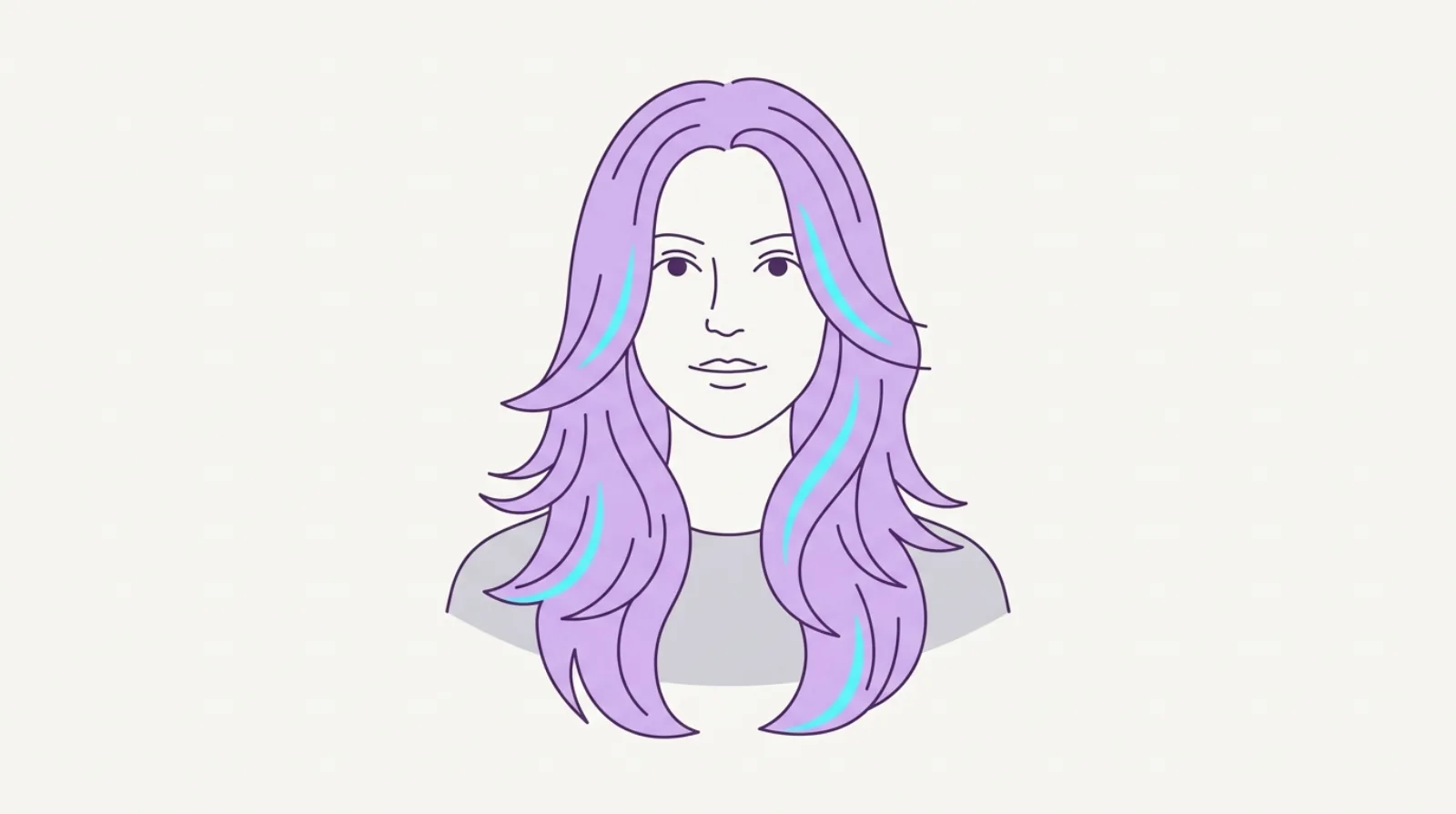
Long layers
Long hair cut into layers for movement, shape, and body.
Read the guide →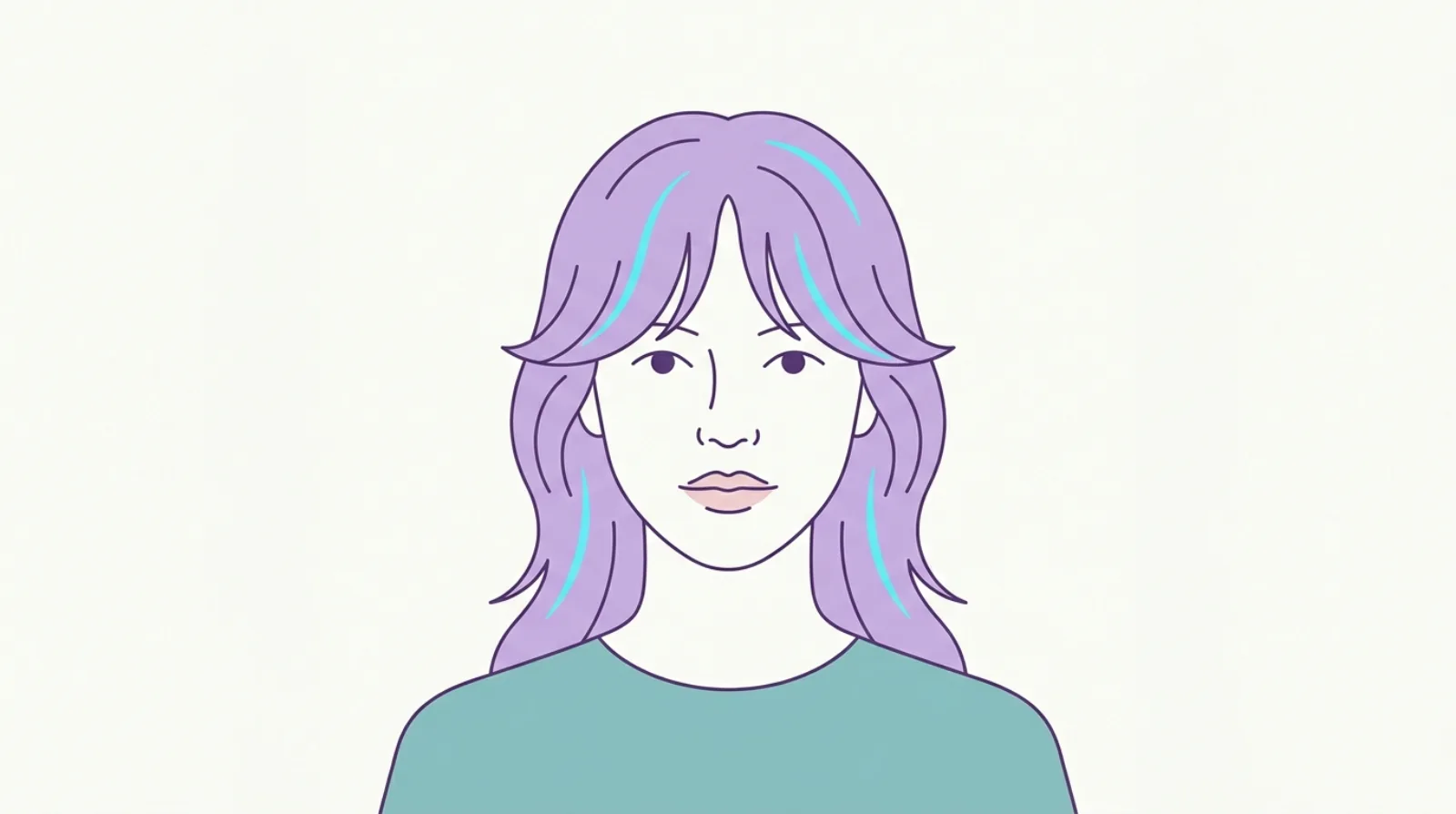
Curtain bangs
Soft bangs that part in the middle and sweep back to frame your face like a set of open curtains.
Read the guide →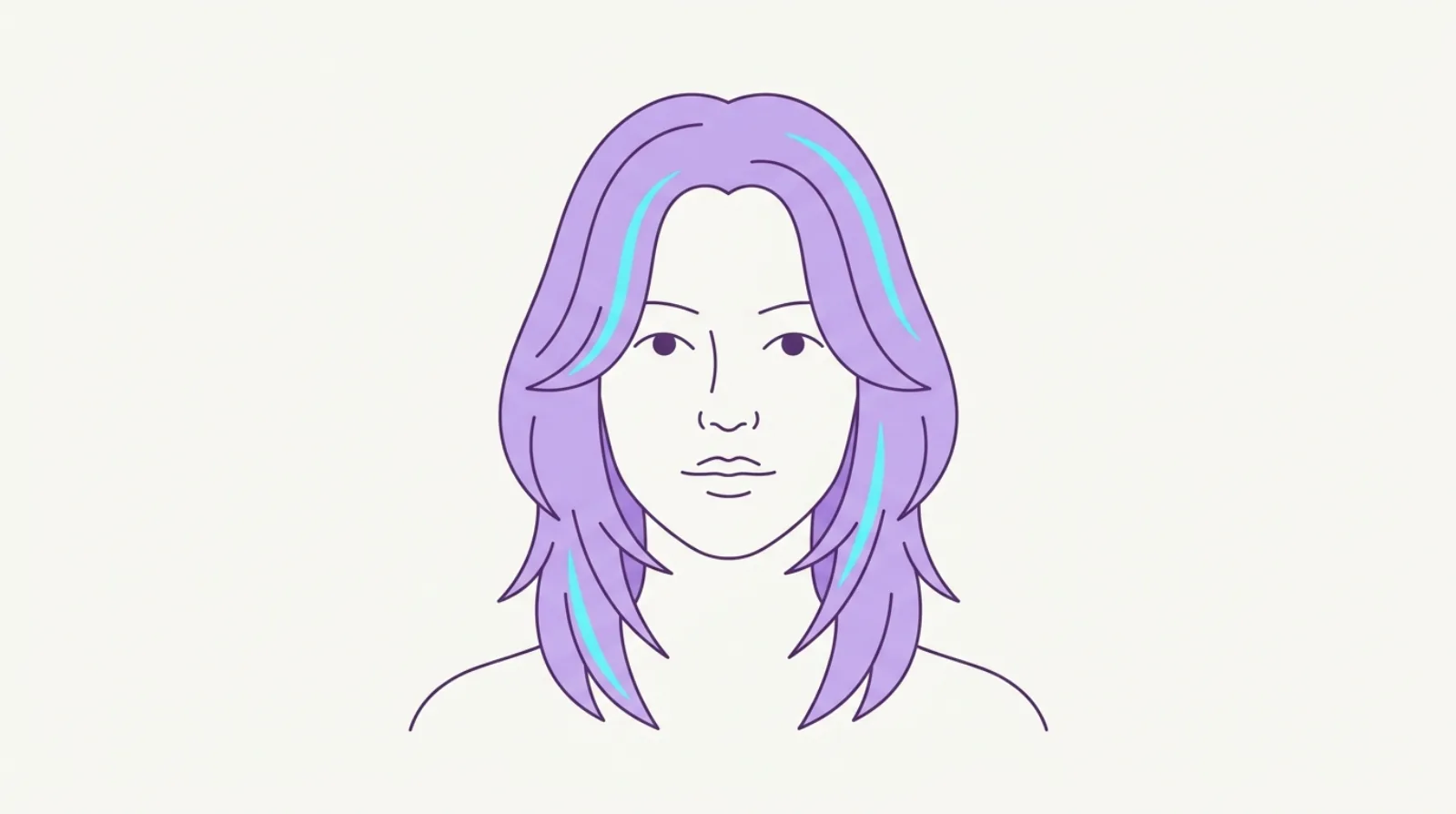
Face-framing layers
Soft pieces cut around the front that shape and flatter your face.
Read the guide →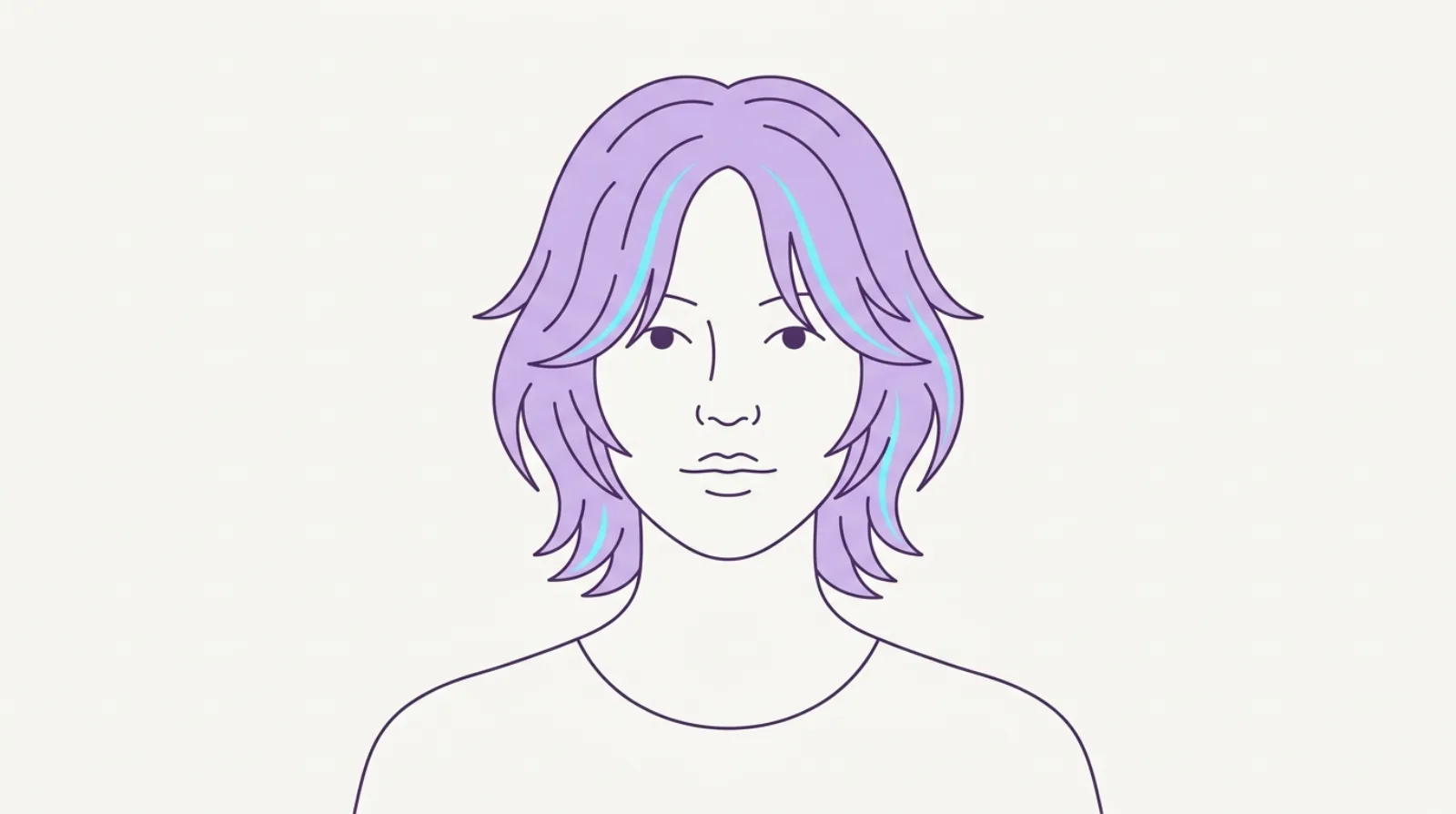
Butterfly cut
Short face-framing layers on top, long layers underneath. Big volume without losing length.
Read the guide →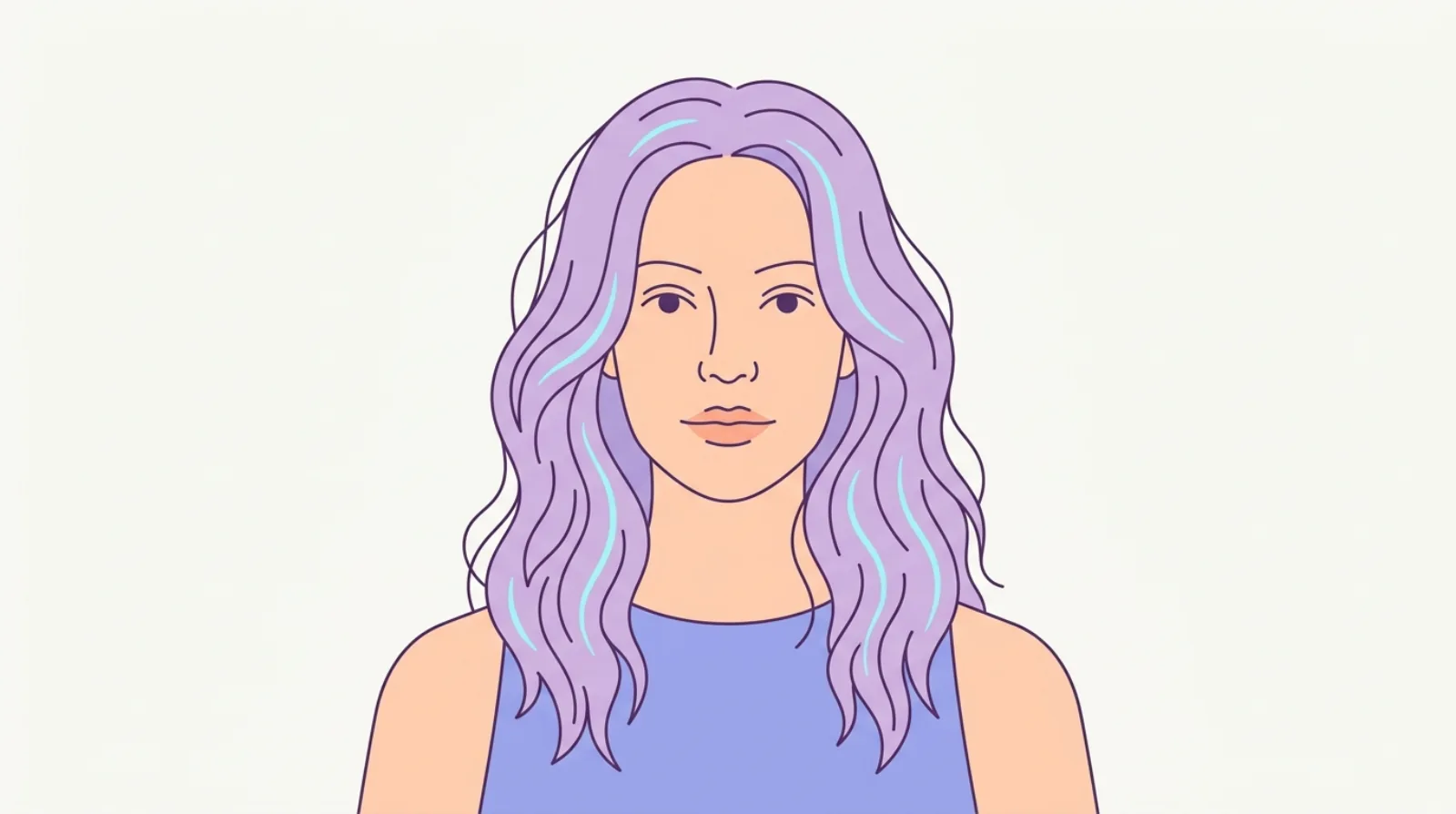
Beachy waves
Soft, tousled waves that look like you spent the day at the sea.
Read the guide →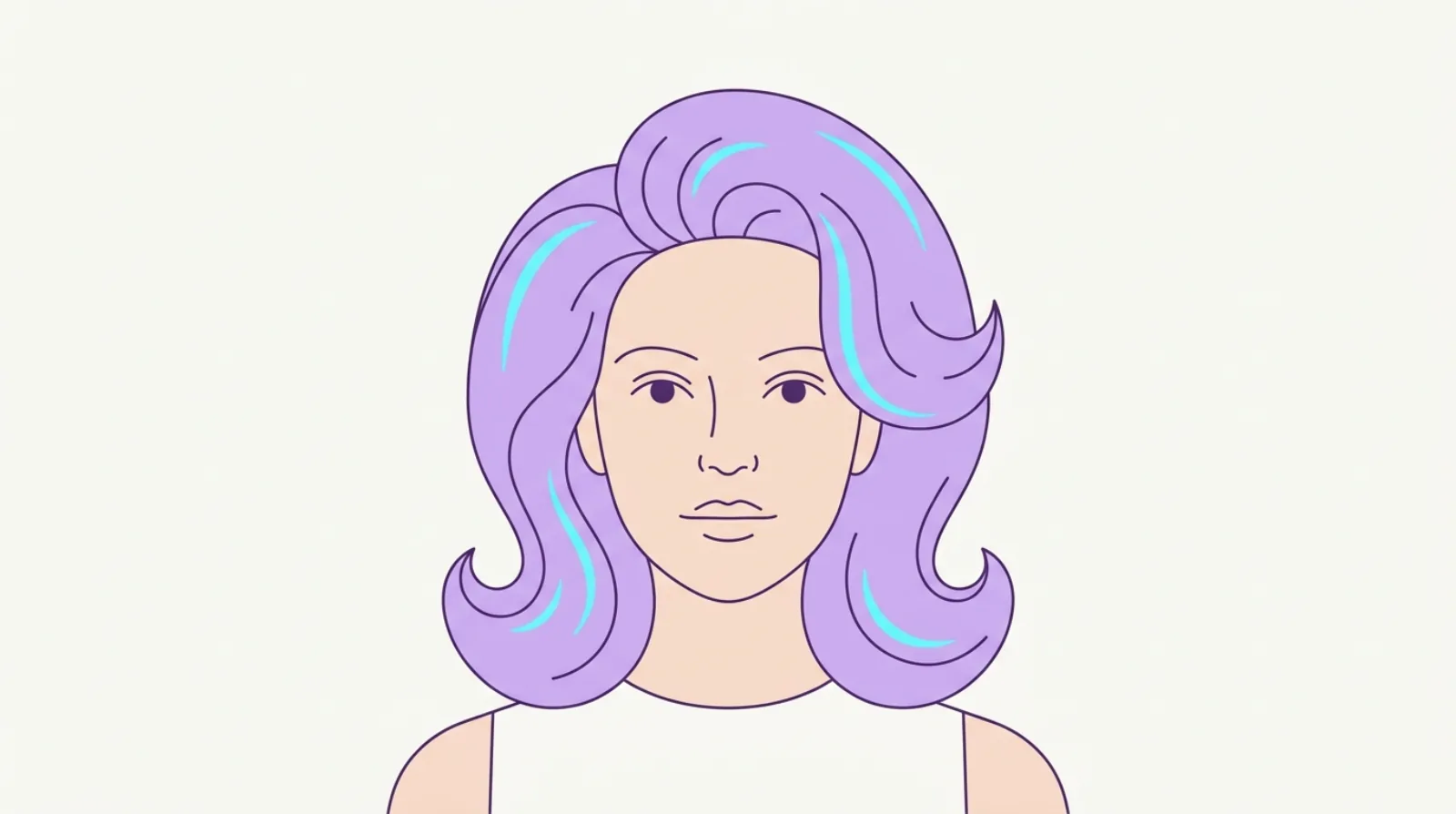
Blowout
Smooth, bouncy, salon-looking hair. Dried and shaped with a round brush and a dryer.
Read the guide →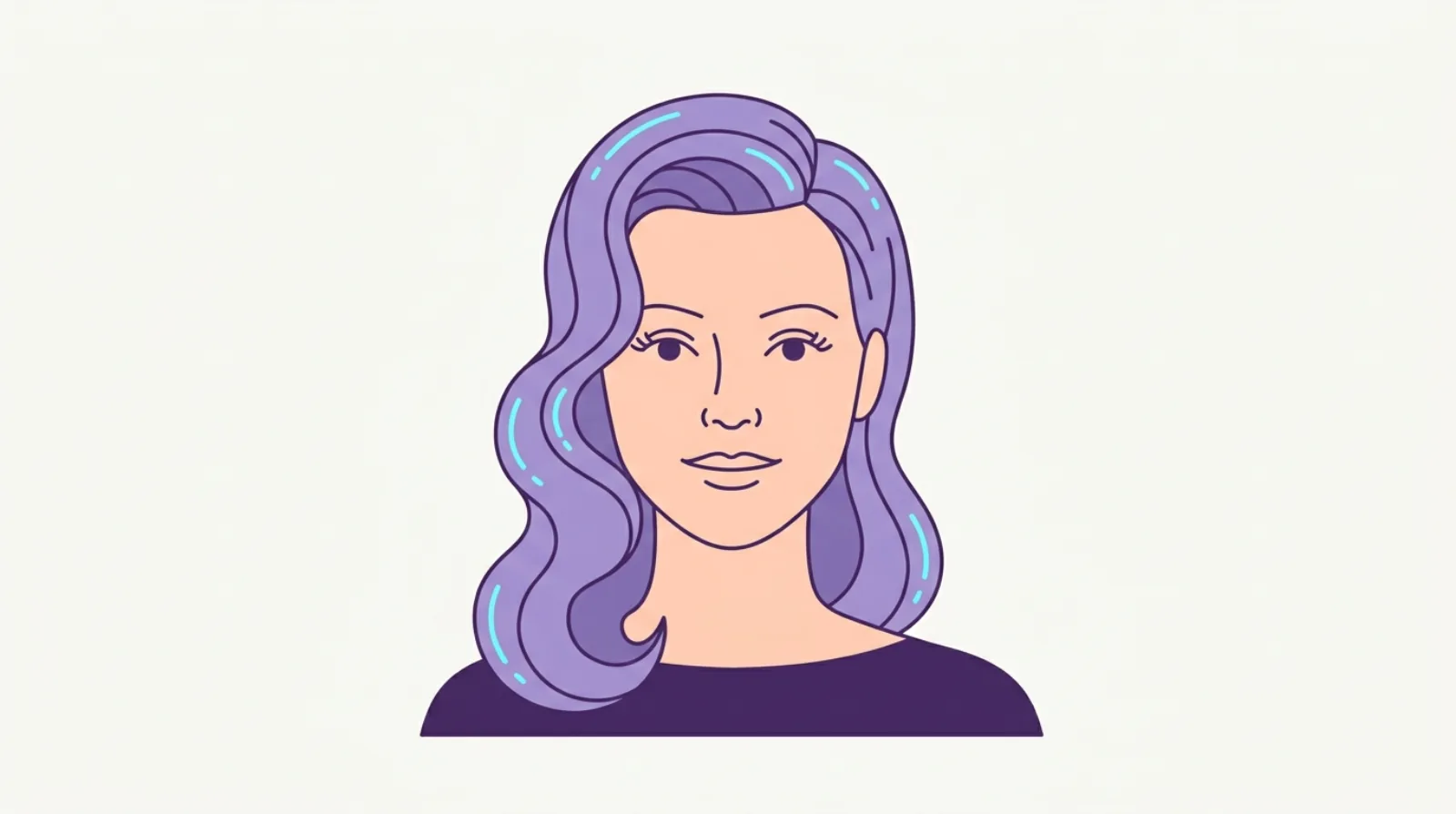
Old Hollywood waves
Smooth, glossy, red-carpet waves. The glamorous look that never dates.
Read the guide →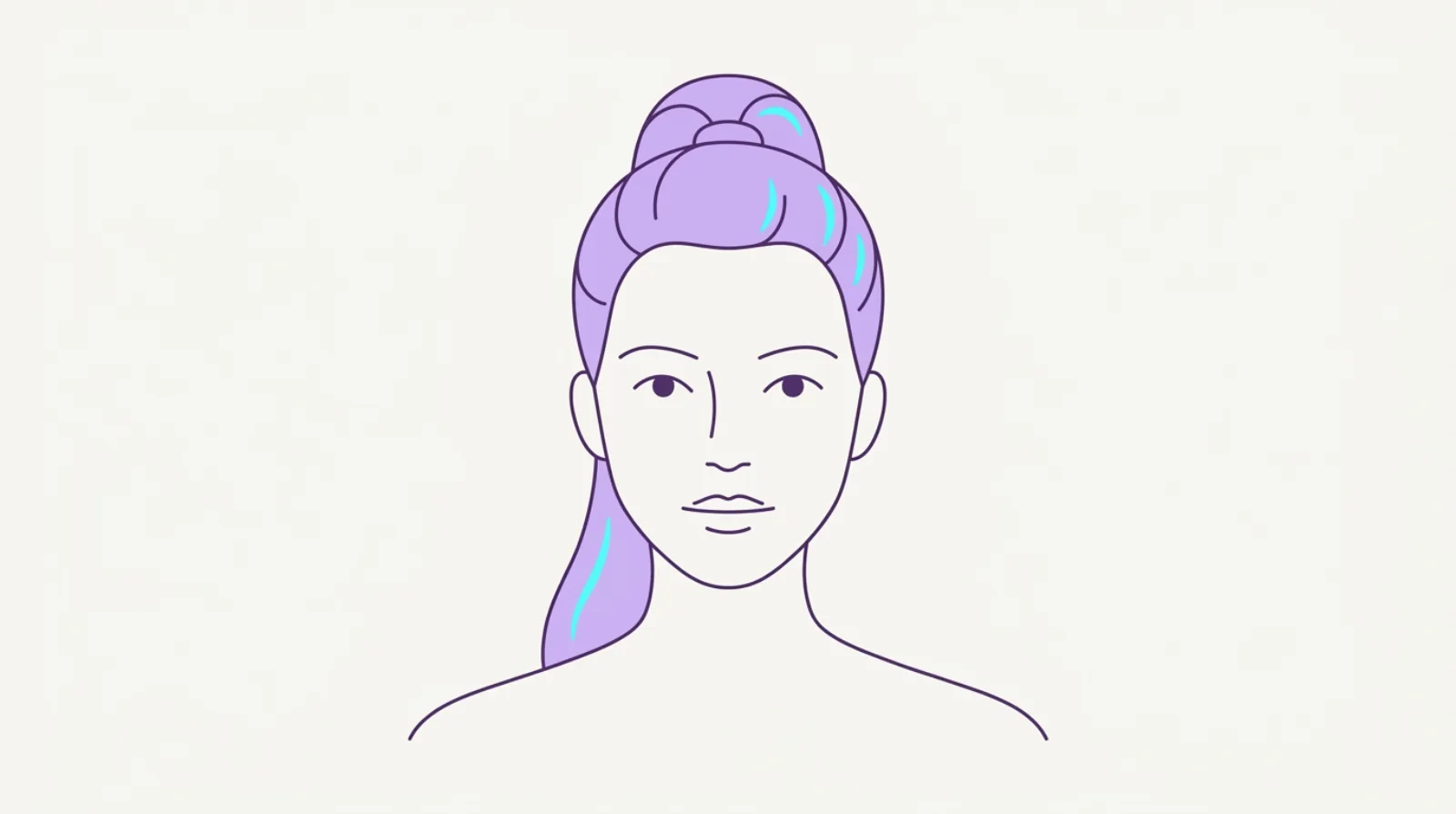
High ponytail
Pulls the eye up and gives an instant lift. Sleek, glam, or full of volume.
Read the guide →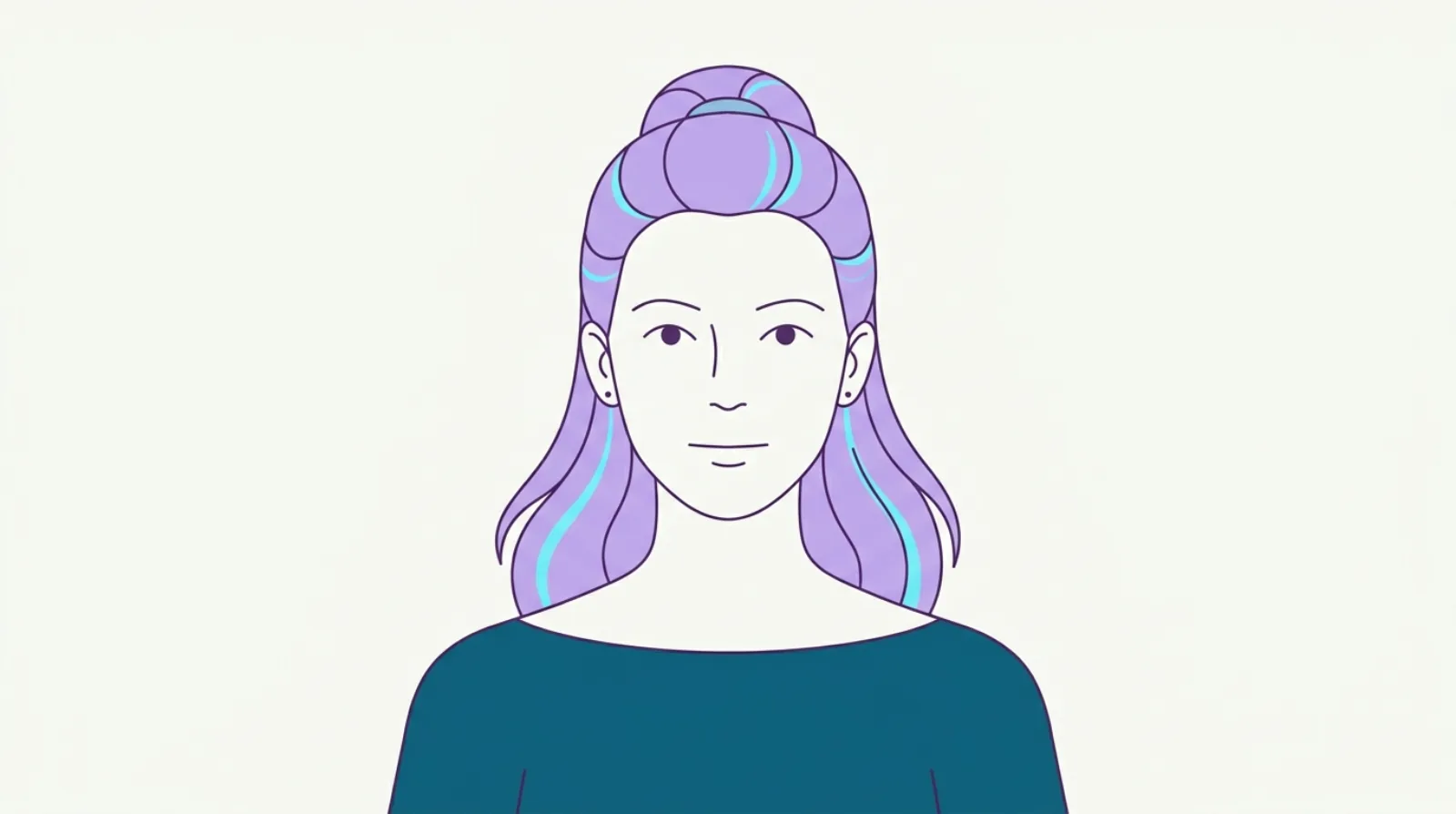
Half-up half-down
The best of both looks. Hair pulled back on top, left loose below.
Read the guide →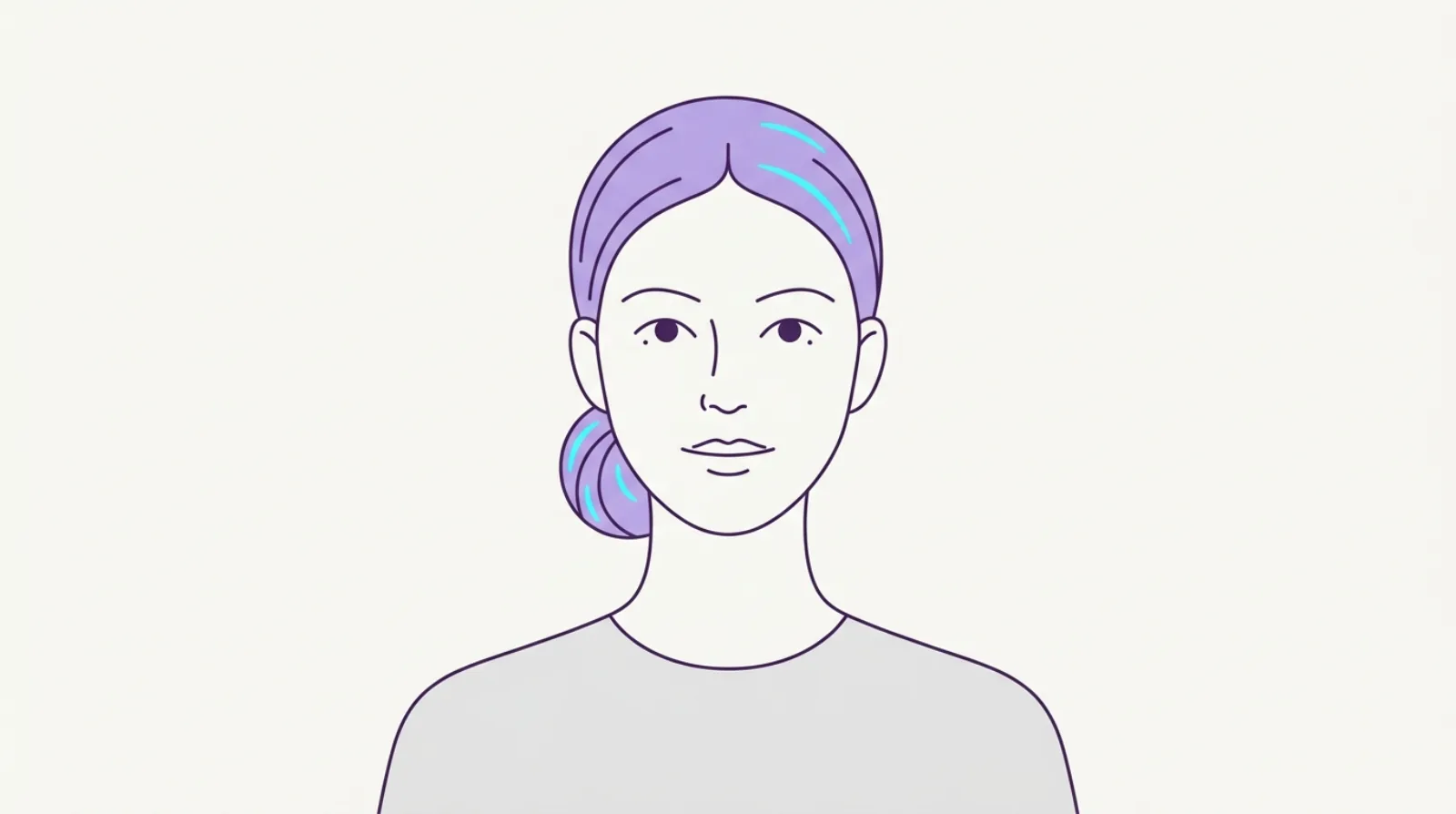
Sleek low bun
Smooth, polished, and pulled back at the nape. The clean-girl classic.
Read the guide →Common questions
How do I choose a women's hairstyle?
Start with three things: your face shape, your hair type, and how much time you want to spend styling. Your face shape sets the goal, such as adding softness near the jaw or a bit of width for a long face. Your hair type decides how you reach that goal. Then pick a style at an effort level you can keep up with. The face shape quiz can point you toward cuts that flatter your features.
What hairstyle suits my face shape?
Round and square faces usually suit length and softness near the jaw, like face-framing layers or curtain bangs. Long faces suit a bit of width and a wave to break the length. Oval faces suit almost anything since they are already balanced. Take the face shape quiz to confirm your shape, then read the guide for the style you like.
What is a low-maintenance hairstyle for women?
A sleek low bun or a high ponytail takes five minutes and holds all day, so both are great when you are short on time. For a cut, long layers grow out well and need less frequent trims than a blunt style. If you want an easy everyday look, choose air-dried waves over a full blowout, which needs heat and more effort.
What is the best hairstyle for thin or fine hair?
Fine hair looks fullest with cuts and styles that add body. Long layers create movement so the hair does not fall flat, and a blowout builds volume at the roots. A blunt line at the ends also makes hair look thicker. Use light products, since heavy oils and creams can weigh fine hair down and flatten it.
What hairstyles work best for curly hair?
Curly hair suits styles that let the curl fall in its natural pattern, like long layers or face-framing layers cut a touch longer to allow for shrinkage. Beachy waves and a half-up half-down look also show curls off well. Curls need more moisture than straight hair, so a curl cream and gentle care keep them defined and healthy.
What is the difference between a haircut and a styled look?
A cut changes the shape of your hair at the salon and lasts for weeks, like long layers or curtain bangs. A styled look is something you create on the hair you have and it lasts a day, like beachy waves or a sleek low bun. Cuts do the most for your face shape, while styled looks let you change your look with no risk.
How often should women get a haircut?
It depends on the style. A blunt bob or a fringe needs a trim every six to eight weeks to stay sharp. Long layers can stretch to every eight to twelve weeks. Even if you are growing your hair out, a small trim every couple of months removes split ends and keeps the shape looking intentional rather than grown-out.
What are the best hairstyles for growing out my hair?
Face-framing layers and long layers grow out gently, so there is no awkward stage where the shape looks off. A butterfly cut is built for this, since its blended layers keep length looking full while shorter pieces catch up. Small trims every couple of months keep the ends healthy, which makes the whole length look better as it gets longer.
What hairstyle should I choose for a special event?
For a formal event, old Hollywood waves, a sleek low bun, or a polished half-up half-down look all read elegant and hold well. A blowout gives you full, glossy hair that suits almost any occasion. Pick a style that matches your outfit and your hair type, and do a test run a few days before so there are no surprises.
Does my hair type matter more than my face shape?
They work together, and the best style pleases both. Your face shape sets the goal, and your hair type decides how you reach it. A style that suits your face but fights your texture will never sit right, and the reverse is also true. Read both the face-shape notes and the hair-type notes in each guide, then pick the version that fits your pairing.
Is long or short hair better for me?
Neither is better on its own. It depends on your face shape, your hair type, and your routine. Longer hair draws the eye down and suits a round face, while shorter, layered cuts can add lift and are quicker to style. Our haircuts by length hub compares short, medium, and long so you can weigh the trade-offs for your hair.
How can Kurli help me pick a hairstyle?
Upload a selfie or use your webcam. Kurli reads your face on your device to estimate your shape, then an AI stylist suggests styles that suit you with a short reason for each. You can preview a style rendered on your own photo, so you know exactly how it looks before you commit or ask your stylist for it.
See it on your own face
Kurli reads your face from a selfie, recommends styles that suit you, and renders each one onto your photo.
The face-shape read and your top pick are free. Your photo is never sold or used to train AI.
Sources
Hair biology and hair-care facts on this page are supported by these sources. Styling recommendations are guidance.
- Tips for healthy hair, American Academy of Dermatology
- Everyday hair care, American Academy of Dermatology
- How to style hair without damage, American Academy of Dermatology
- Hair Problems, MedlinePlus, U.S. National Library of Medicine
- Physiology, Hair, StatPearls, NCBI Bookshelf