The complete guide
Hair colour
Colour changes how a haircut reads more than most people expect, and it is also the easiest thing to get wrong. This hub covers the whole decision in plain language: how to find a shade that suits your skin, where to place light and dark so it flatters your face, which type of dye actually does what you want, and how to keep the result looking good. Start anywhere below, or read the overview first.
Start with undertone, not with a photo
Almost everyone begins by finding a photo they like. That is the wrong end of the problem, because the same shade behaves completely differently on different skin.
What decides whether a colour suits you is your undertone, the quiet colour sitting under the surface of your skin. It is cool (a hint of pink or blue), warm (a hint of gold or peach), or neutral. It does not change with the seasons, and it is not the same thing as how light or dark your skin is. Two people with identical skin depth can need opposite shade families.
You can find yours in about two minutes at home using your wrist veins, a piece of silver and gold jewellery, and a sheet of white paper. Our hair colour by skin tone guide walks through all three tests and explains what to reach for once you know.
Then decide where the colour goes
The second half of the decision is placement, and it is the part most advice skips entirely.
The rule behind all of it is simple: light comes forward, dark falls back. A bright piece of hair beside your cheekbone pulls the eye there and makes that area look wider. A darker section in the same place makes it recede.
That means the same shade can flatter you or fight you depending only on where it sits. A soft balayage that keeps brightness low can make a round face look longer. A hard band of highlight across the cheeks does the opposite. A blunt ombré line landing exactly at a square jaw draws a straight edge across the strongest angle on the face.
Our hair colour by face shape guide goes shape by shape, with what to ask for and what to avoid for round, oval, square, heart, oblong, and diamond faces.
Pick the gentlest type of dye that does the job
Temporary, semi-permanent, demi-permanent, permanent, and bleach are not five strengths of the same product. They work in genuinely different ways.
Temporary colour sits on the surface and washes out in one wash. Semi-permanent stains the outer layer and lasts four to twelve washes with almost no damage. Demi-permanent uses a weak developer to deposit colour just inside the strand and lasts six to eight weeks. Permanent colour opens the cuticle with an alkaline agent and chemically changes the inside of the hair, so it does not wash out at all. Bleach is not a dye: it removes your natural pigment rather than adding anything.
A useful habit is to always choose the gentlest type that achieves your goal. People routinely reach for permanent colour when a demi-permanent gloss would have done the same job with far less damage. Our types of hair dye guide explains each one, including where henna fits.
Understand what the technique costs you
Balayage and highlights are used as if they mean the same thing. They do not, and the difference decides how often you are back in the salon.
Highlights are painted in sections and wrapped in foil, usually starting at the root. That gives even, all-over brightness, and it also gives an obvious regrowth line within six to eight weeks. Balayage is painted freehand starting lower down, so it fades out softly and can last three to four months.
Per appointment, balayage usually costs more. Across a year it is often cheaper, because you need roughly half as many appointments. Highlights might mean seven to nine visits a year; balayage three to four.
The single most useful question to answer before booking is how often you are honestly willing to return. A colour whose cycle you will not keep up with is the most common reason people end up unhappy. Our balayage vs highlights guide compares five techniques on upkeep, cost, and which hair types they suit.
Going lighter is a process, not an appointment
Going blonde from dark hair is the most demanding thing you can ask of your hair, and it is where most serious damage happens.
Bleach works by breaking apart the melanin inside the strand. Nothing is added. While it does that, it also breaks some of the protein bonds that give hair its strength, and hair cannot repair itself because it is not living tissue. Lightening also passes through a fixed sequence: dark brown goes red, then orange, then yellow, then pale yellow. Orange is a normal middle stage, not a mistake.
A realistic plan from dark brown is two to four appointments spread over three to six months. Anyone promising platinum from dark hair in one sitting is telling you what you want to hear.
If that upkeep does not fit your life, there are softer versions of the same idea: balayage with a deliberately dark root, a bronde two or three levels lighter, or face-framing pieces only. See going blonde from dark hair.
Grey has its own rules
Grey hair is not simply lighter hair. It is hair with no pigment at all, and it often has a tighter cuticle, which is why it resists colour and why so much grey colouring disappoints.
There are three good options and no wrong answer. Full coverage with permanent colour removes grey completely but needs a root touch-up every four to six weeks. Blending with highlights and lowlights turns grey into dimension rather than regrowth, and stretches to eight to twelve weeks. Growing it out on purpose is a legitimate choice and usually takes six to eighteen months, easiest when you add highlights that echo your natural silver.
One widely useful tip: if you do cover grey, go one or two levels lighter than the colour you had at twenty. It suits mature skin better and makes regrowth far less obvious. Our covering grey hair guide covers all three routes, and if you are curious when greying actually starts and how common dyeing really is, the numbers live in our hair colour statistics.
Home or salon: it depends on the job, not on confidence
Box dye has a worse reputation than it deserves for some jobs, and a better one than it deserves for others.
It works perfectly well when you are adding pigment: going darker, staying at the same level, refreshing tone with a semi-permanent, or covering grey near your natural shade on hair without much colour history.
It goes wrong when you ask it to make a judgment call: lightening more than a level or two, colouring over layers of previous colour, correcting a result that went wrong, or going from dark to blonde. A colour correction is one of the most expensive services a salon offers, which is what flips the cost comparison.
The most valuable free habit for anyone colouring at home is to only colour the regrowth, pulling the product through the lengths for the last few minutes at most. Saturating the whole head every time is what causes the dark, banded ends box dye is known for. See box dye vs salon colour.
Living with the result
Fresh colour almost always looks good. What matters is week five.
Fading is physics rather than a fault: hot water opens the cuticle and lets pigment escape, harsh detergents strip it, UV breaks the colour molecules apart, and heat styling does the same from outside. Coloured hair is more porous than virgin hair, so it leaks faster, and bleached hair leaks fastest of all.
The habits that help most are unglamorous and free. Wait 48 to 72 hours before your first wash. Wash less often, in cooler water. Shampoo your scalp, not your lengths. Use a heat protectant every time. Red fades fastest of any shade, ash tones drift warm as the cool pigment goes first, and dark brown holds longest.
Our colour care and fading guide covers the full routine, including how to use purple and blue shampoo properly, and what to do about hard water. For damage, colour damage and repair explains how to tell protein loss from moisture loss, which is the test that stops people treating the wrong problem.
The safety step nobody should skip
Permanent hair dye contains ingredients, most commonly p-phenylenediamine (PPD), that a small number of people react to. The reaction is allergic contact dermatitis, and it is delayed, usually appearing 12 to 72 hours after exposure.
The part that catches people out is that sensitivity can appear suddenly, after years of using the same product with no problem at all. "I have always used this brand" is not protection, because the earlier exposures are what teach the immune system to react in the first place.
So the rule is simple: patch test 48 hours before every application, including brands you have used for years, and including at the salon. Mix the product exactly as you would use it, apply a coin-sized amount behind your ear, and leave it alone. Any redness, itching, or swelling means do not use it.
Also worth knowing: never use hair dye on eyebrows or eyelashes, and avoid black henna temporary tattoos entirely. Full detail in hair dye allergy and patch testing.
How to use this hub
If you are starting from nothing, read them in this order: skin tone to pick a shade family, face shape to decide where it goes, then types of dye and balayage vs highlights to choose how it gets applied.
If you already know what you want, jump straight to the guide for your situation: going lighter, covering grey, or deciding between home and salon.
Colour works alongside your cut rather than instead of it, so it is worth pairing this with the hairstyles by face shape hub for the outline and the hairstyles by hair type hub for what your texture will actually do. Colour cannot fix a cut that is fighting your proportions.
If you are not sure of your face shape, try the face shape quiz, or upload a selfie and let Kurli read it on your device and suggest styles with a reason for each.
Explore the hair colour guides
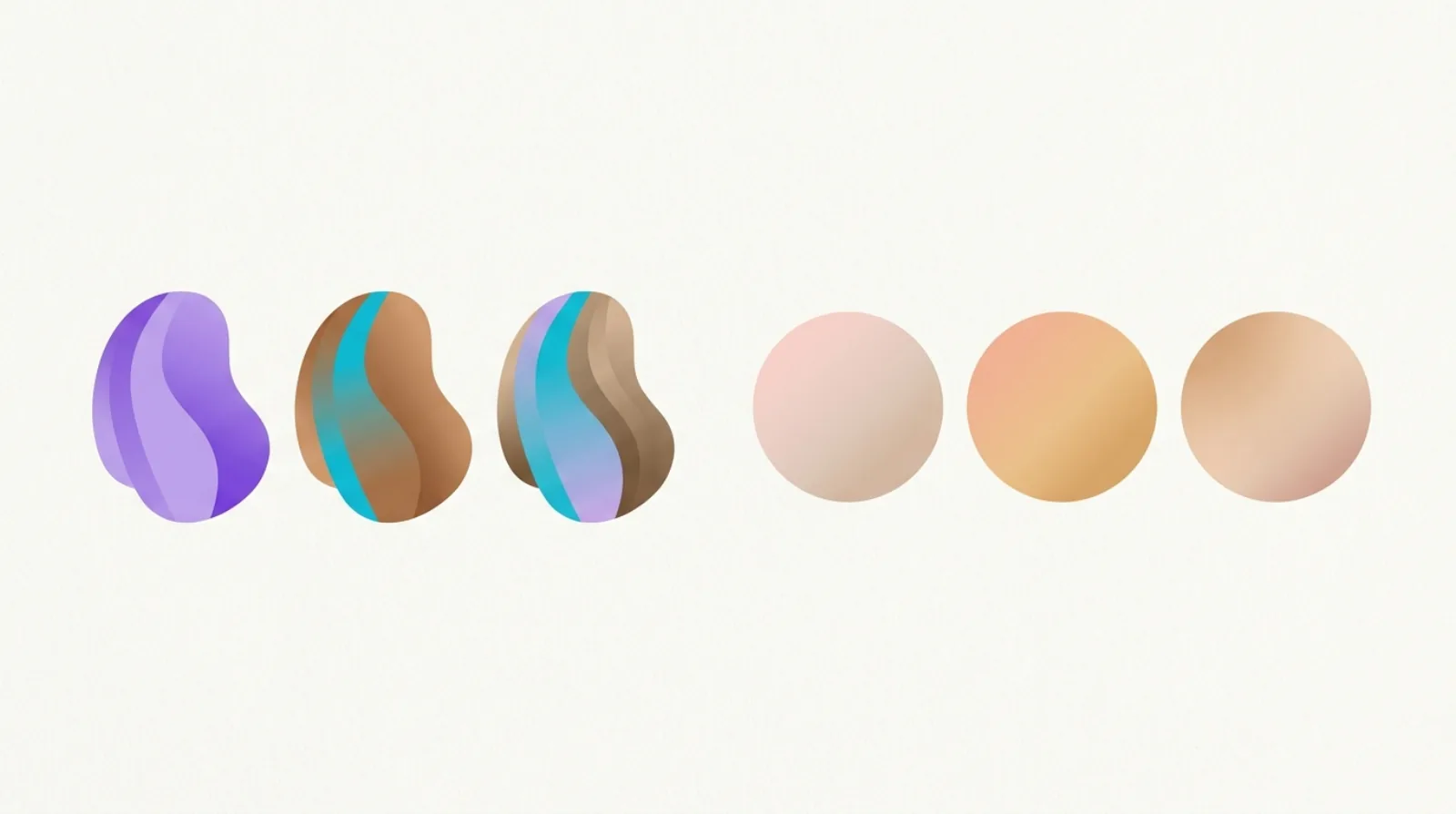
Hair colour by skin tone
Find your undertone in about two minutes, then match a shade family to it.
Read the guide →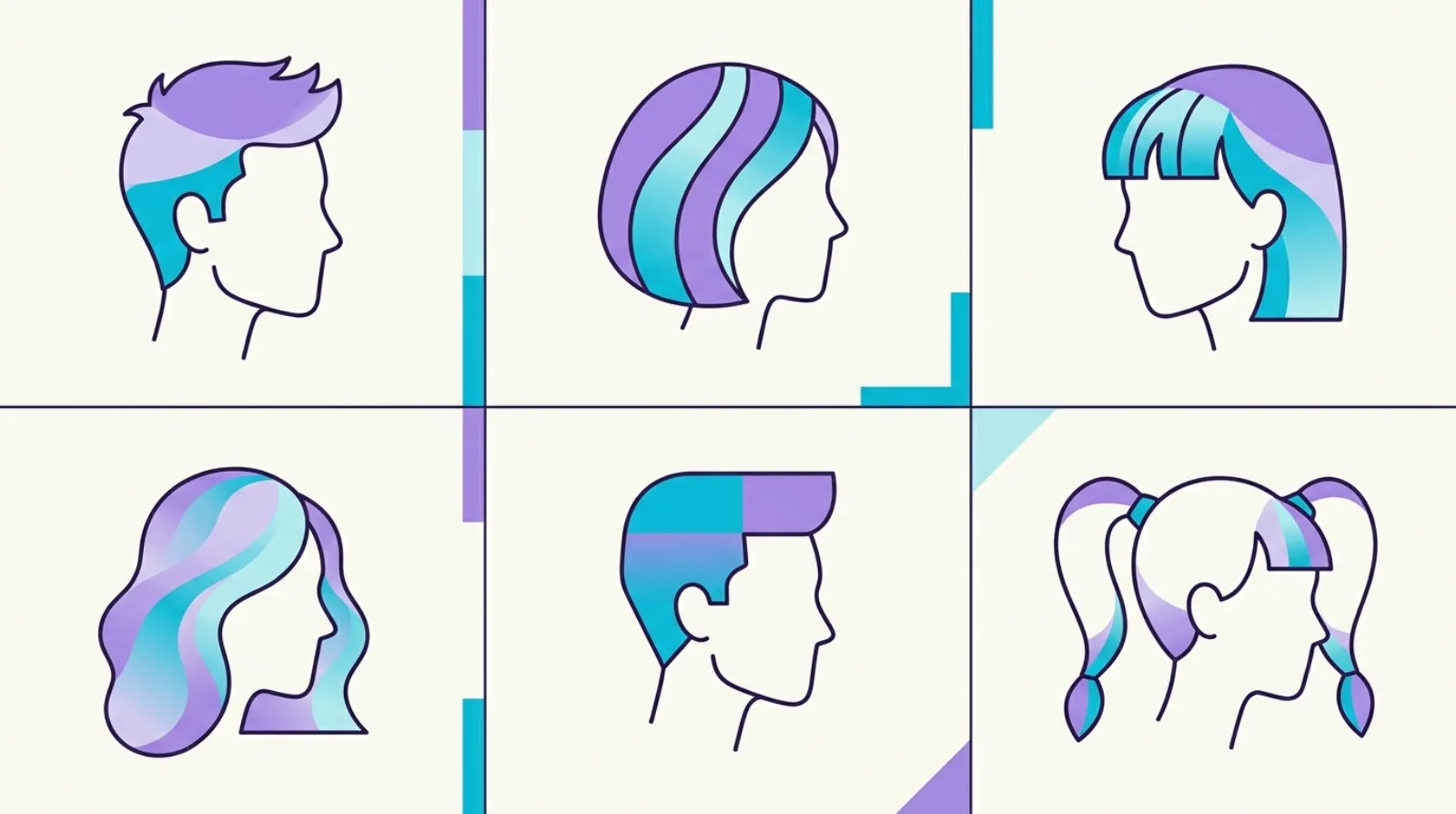
Hair colour by face shape
Where the light and dark sit changes your face more than the shade does.
Read the guide →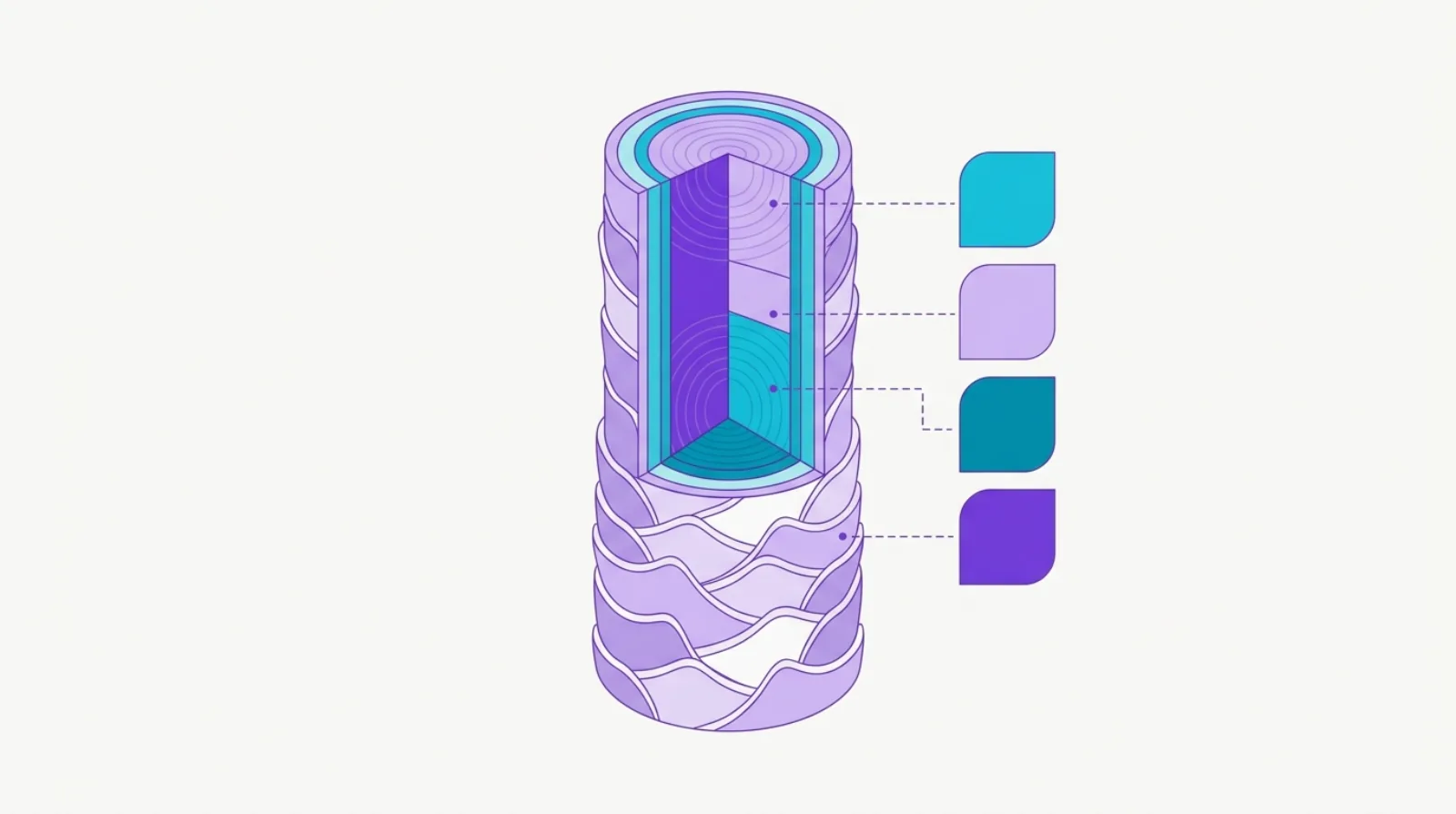
Types of hair dye
What each type does to your hair, how long it lasts, and when to use which.
Read the guide →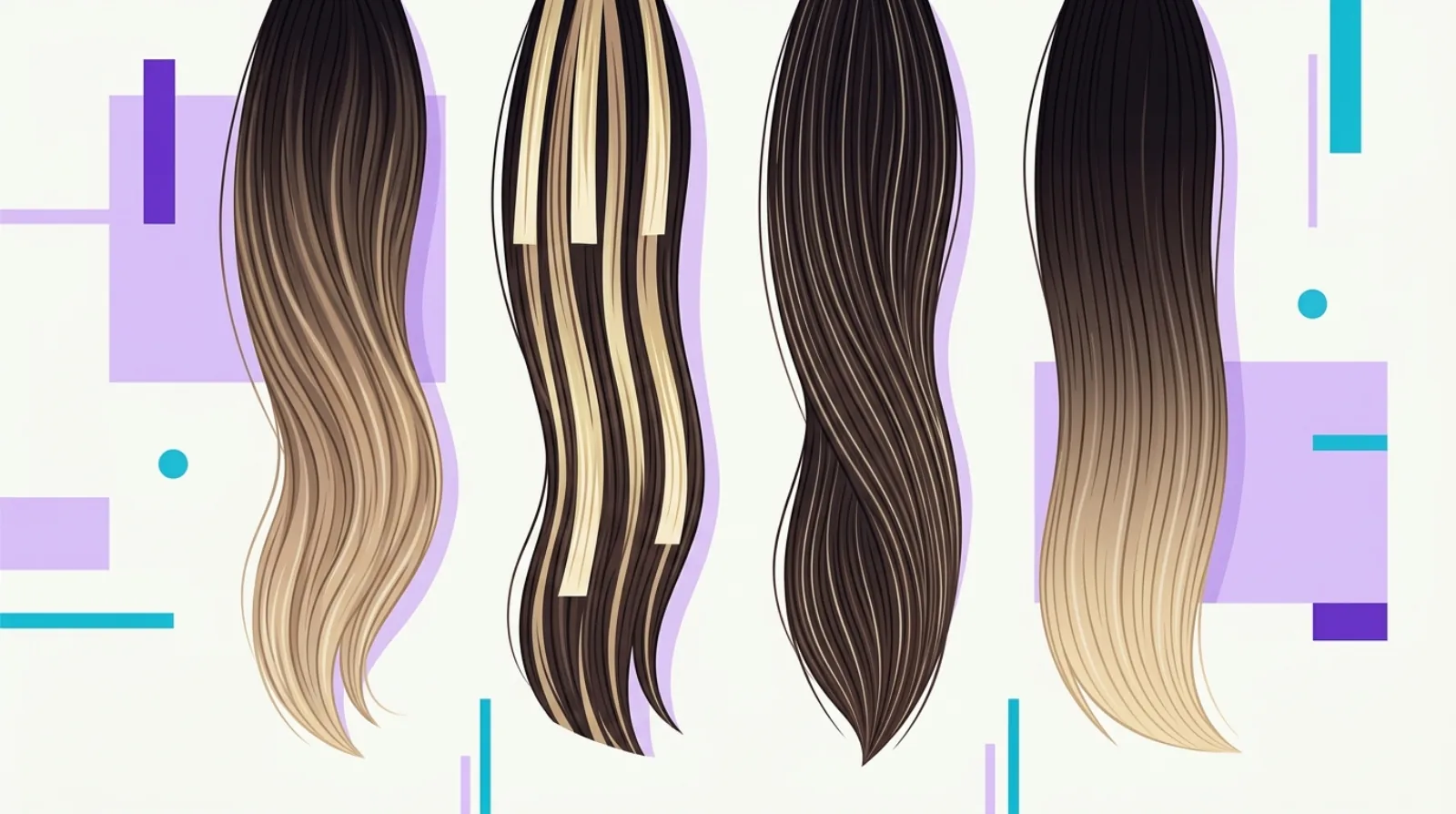
Balayage vs highlights
Five techniques, what each one costs you in upkeep, and which suits your hair.
Read the guide →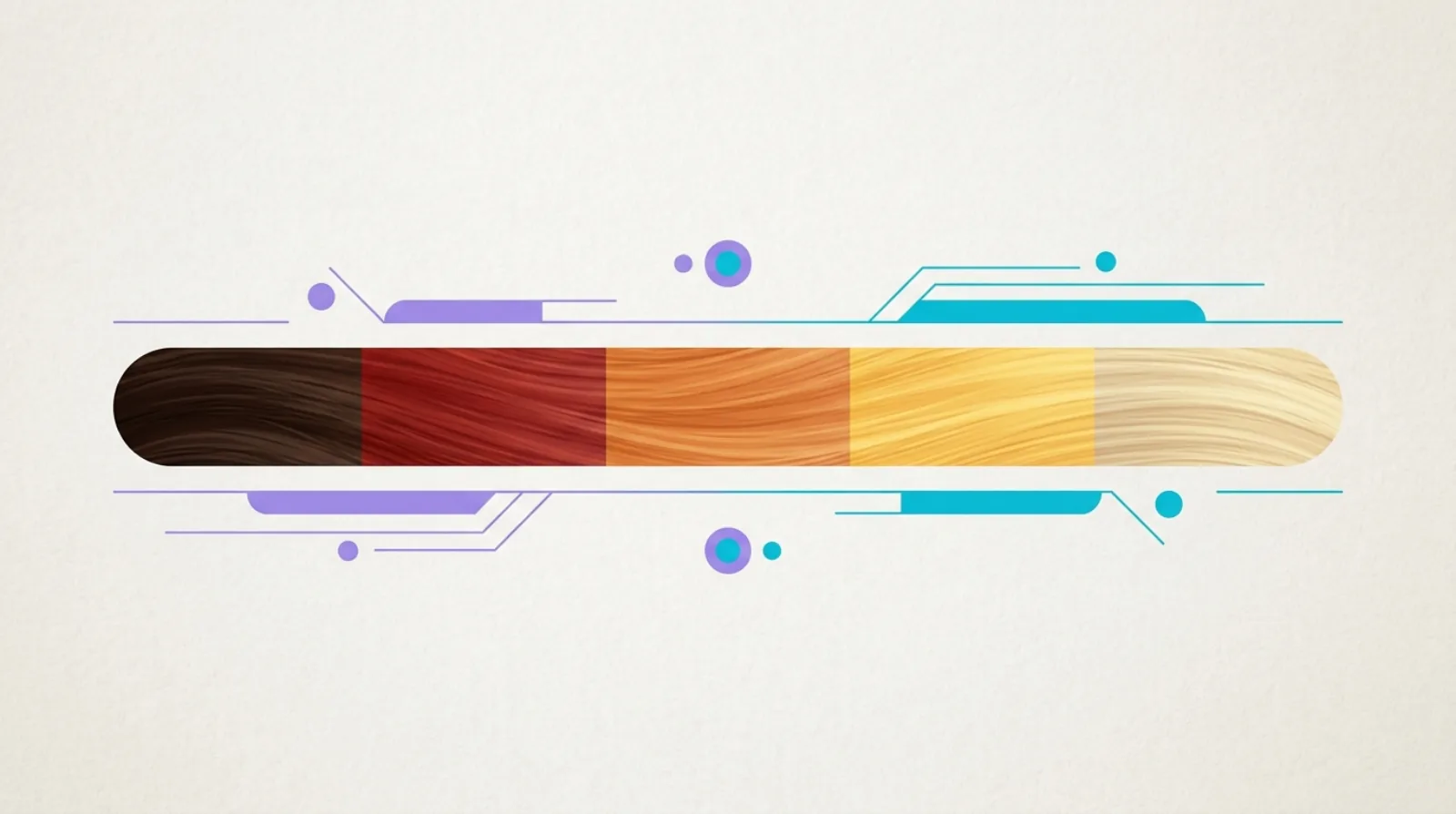
Going blonde from dark hair
Why it takes more than one session, and how to protect your hair through it.
Read the guide →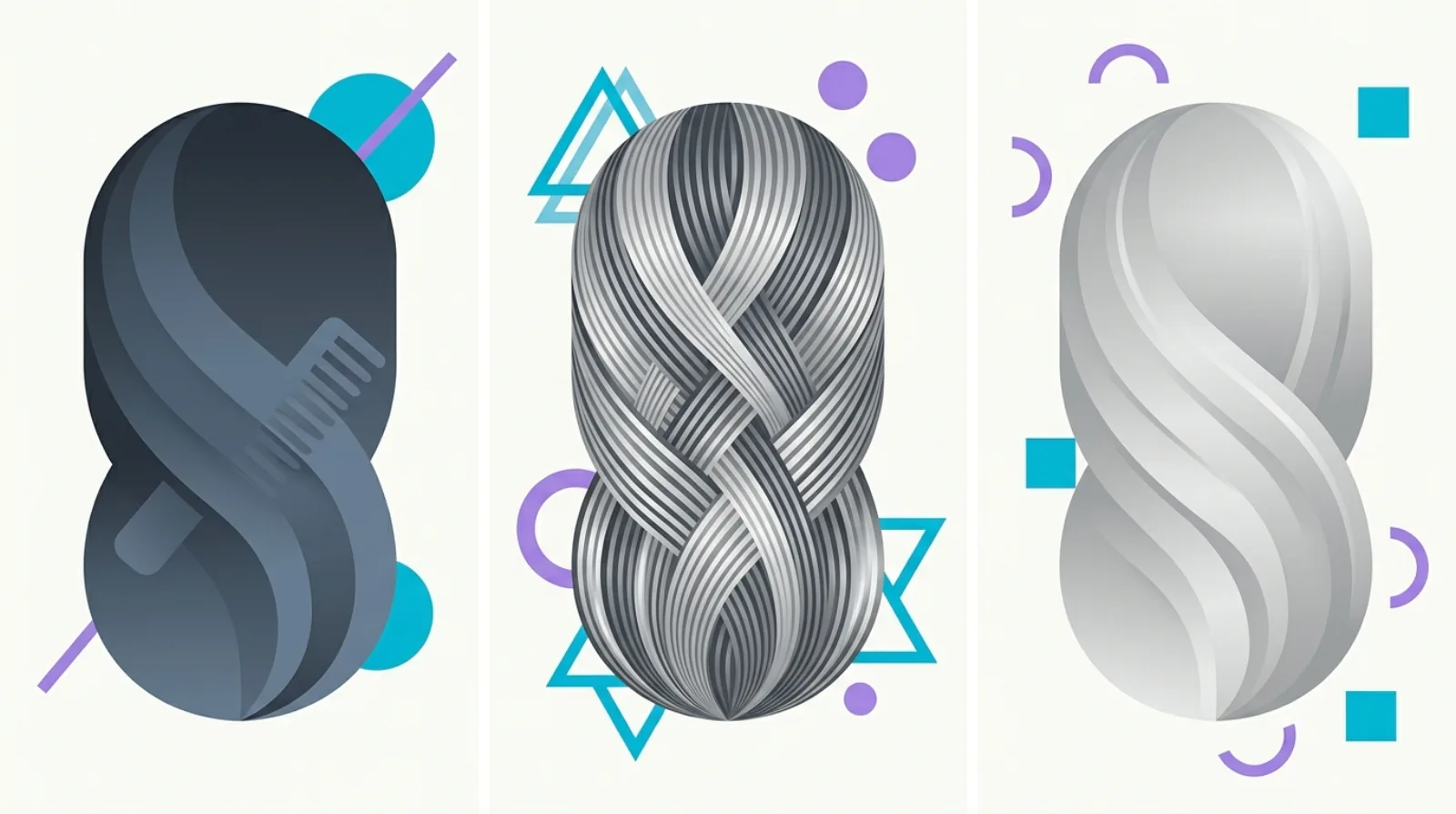
Covering grey hair
Full coverage, soft blending, or growing it out: the three real options.
Read the guide →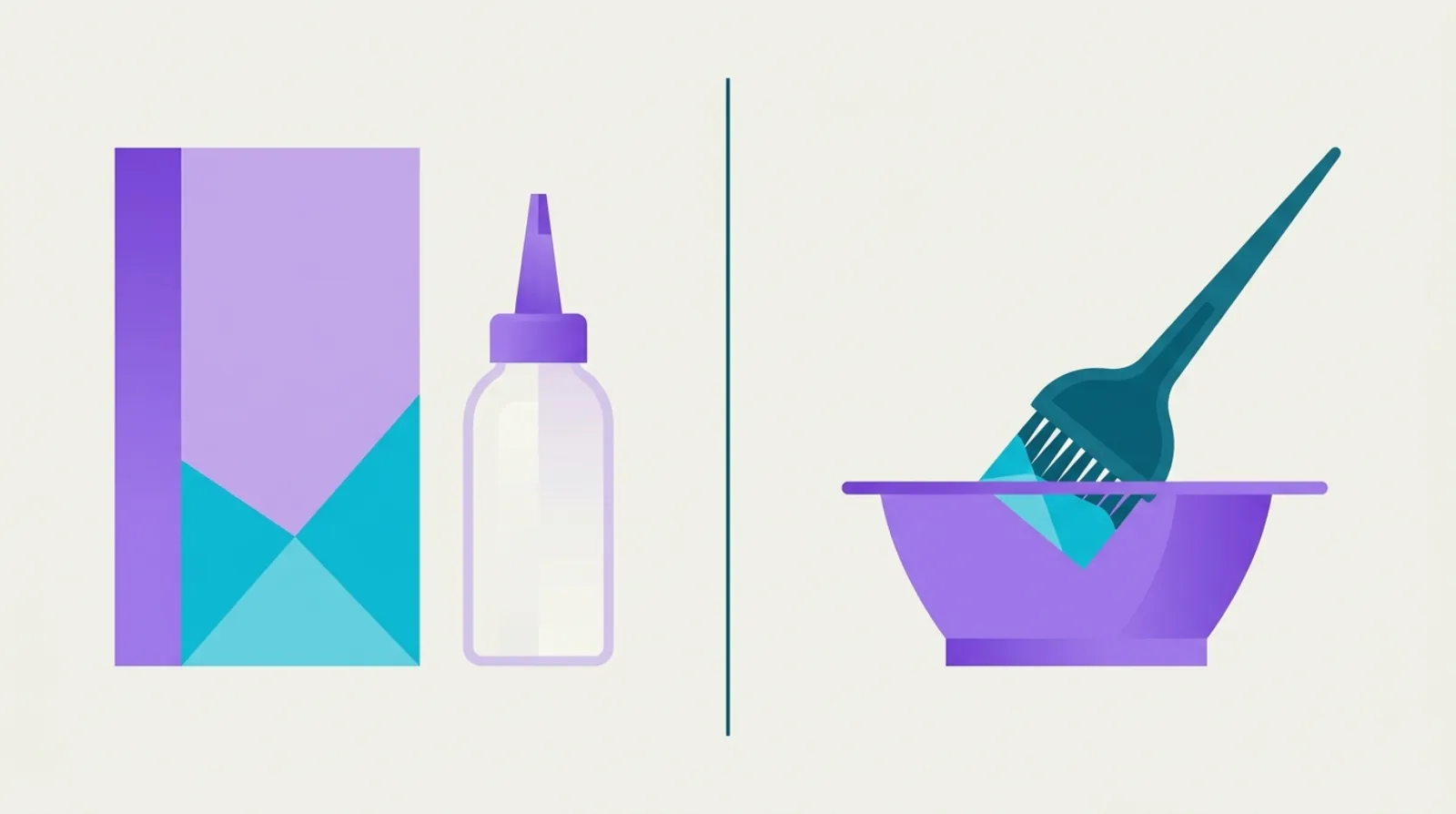
Box dye vs salon colour
When home colour is a sensible choice, and when it costs more than the salon would have.
Read the guide →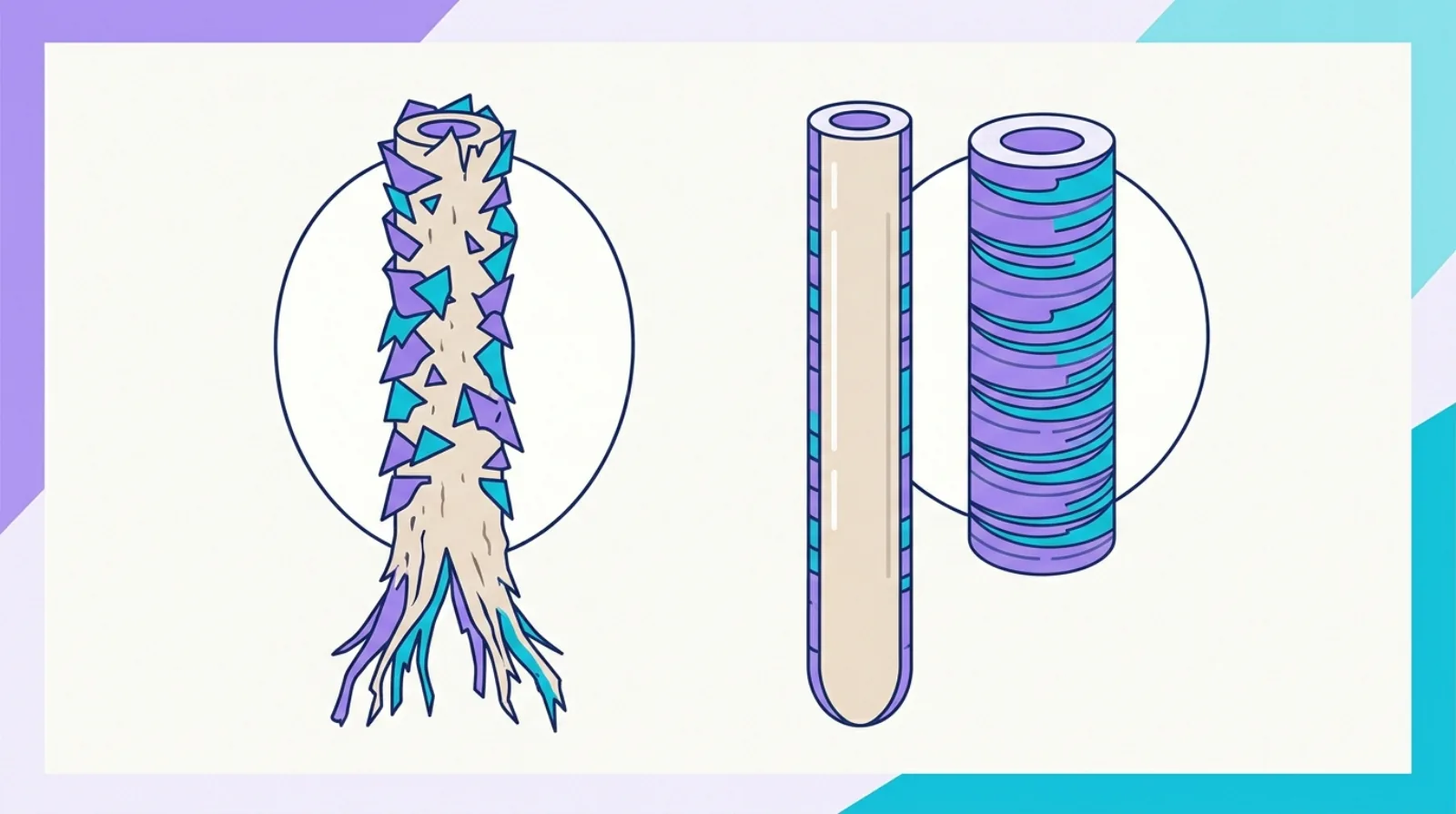
Colour damage and repair
What damage actually is, what genuinely helps, and what is only marketing.
Read the guide →
Colour care and fading
Why colour fades, what actually slows it, and how to fix brassiness at home.
Read the guide →
Allergy and patch testing
Why you must patch test every time, and what a reaction actually looks like.
Read the guide →Common questions
How do I choose a hair colour that suits me?
Start with your skin undertone rather than a photo. Check your wrist veins, compare silver against gold jewellery, and hold white paper next to your bare face in daylight. Cool undertones suit ash, beige, and espresso shades, warm undertones suit golden, honey, caramel, and copper, and neutral undertones suit almost anything.
Does hair colour really change how my face looks?
Yes, mostly through placement rather than the shade. Lighter sections draw the eye and make an area look wider, darker sections recede and make it look narrower. Placing light and dark deliberately can make a face read longer, softer, or more balanced without touching the cut.
What is the difference between semi, demi, and permanent dye?
Semi-permanent has no developer and stains the outside of the hair, lasting four to twelve washes. Demi-permanent uses a weak developer to deposit colour just inside the strand and lasts six to eight weeks. Permanent colour opens the cuticle and chemically changes the inside, so it does not wash out and instead grows out.
Do I need bleach to go lighter?
If you want to go more than about three levels lighter than your natural colour, yes. Permanent colour can lift one to three levels on its own, which covers a subtle change. Anything beyond that, and any vivid fashion colour on dark hair, needs the natural pigment removed with bleach first.
Is balayage or highlights better?
Neither is better, they suit different priorities. Highlights start at the root and give even all-over brightness but need touch-ups every six to eight weeks. Balayage is painted freehand starting lower, giving a soft grown-in look that lasts three to four months. Decide by how often you can realistically return.
How often do I need to touch up my colour?
Grey coverage and root-level highlights need touching up every four to eight weeks. Balayage and ombré stretch to three to four months because the roots are meant to be darker. Toners and glosses last four to six weeks regardless, since they fade rather than grow out.
Why does my hair colour fade so fast?
Hot water opens the cuticle and lets pigment escape, harsh sulphate shampoos strip it, UV breaks colour molecules apart, and heat styling does the same from outside. Coloured hair is more porous than virgin hair, so it fades faster by nature. Washing less often in cooler water makes the biggest difference.
Can damaged coloured hair be repaired?
Not truly. Hair is not living tissue and cannot heal itself once it leaves the follicle. Treatments and bond builders fill gaps, smooth the cuticle, and hold the structure together, which genuinely improves how hair looks and behaves, but the damage remains until it is cut off.
Is box dye bad for your hair?
It depends on the job. Box dye is formulated to work on anyone, so it often uses a stronger developer than a colourist would choose for you. For going darker or covering grey near your natural level it is fine. For lightening, correction, or colouring over old colour, it is where most problems start.
Do I need to patch test if I have used the dye before?
Yes, every single time. Sensitivity to hair dye develops through repeated exposure, so a reaction can appear suddenly after years of safe use. Patch test 48 hours before every application, mixing the product exactly as you would use it. Any redness, itching, or swelling means do not use it.
What hair colour covers grey best?
Permanent colour, because grey resists dye and semi-permanent will not hold on it. Choosing one or two levels lighter than your original natural colour makes regrowth far less obvious and suits mature skin better. If root touch-ups every four to six weeks do not fit your life, blending grey with highlights is the better option.
Should I choose my colour before or after my haircut?
Get the cut right first. The cut sets the outline of your hair and does most of the work of balancing your face, and colour fine-tunes where the eye goes within that shape. Good colour placement makes a good cut look better, but it cannot fix a cut that is fighting your proportions.
See it on your own face
Kurli reads your face from a selfie, recommends styles that suit you, and renders each one onto your photo.
The face-shape read and your top pick are free. Your photo is never sold or used to train AI.
Sources
Hair biology and hair-care facts on this page are supported by these sources. Styling recommendations are guidance.
- Coloring and perming tips for healthier-looking hair, American Academy of Dermatology
- Hair Dyes, U.S. Food and Drug Administration
- Biochemistry, Melanin, StatPearls, NCBI Bookshelf
- Contact dermatitis, NHS
- 10 hair care habits that can damage your hair, American Academy of Dermatology
- Physiology, Hair, StatPearls, NCBI Bookshelf