Stylist partner network
Using face shape in a consultation without insulting anyone
A working stylist's view of what face shape is useful for, what it is not, and how to say it out loud.
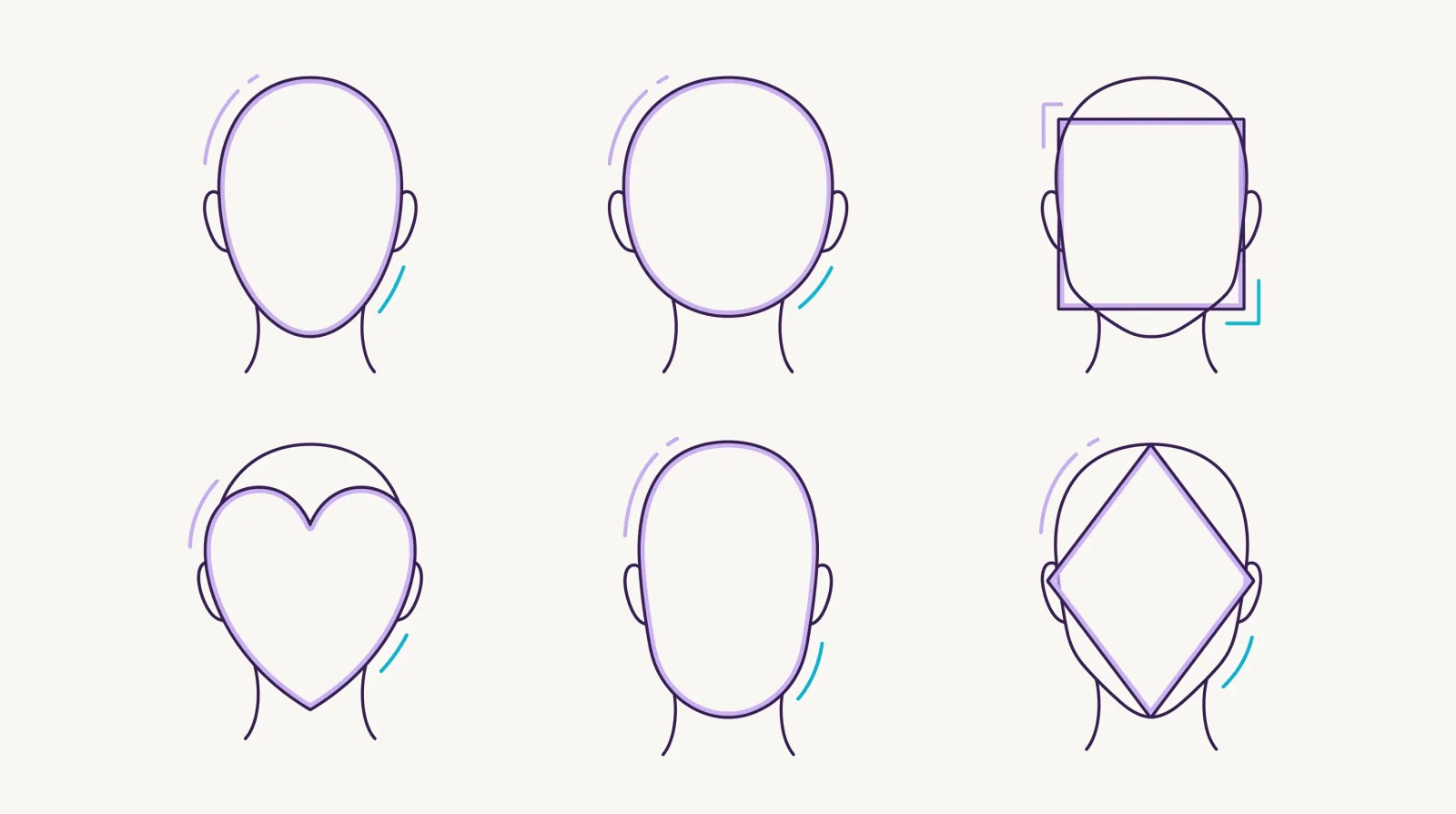
Face shape has a bad reputation among stylists, and some of it is earned. The magazine version, where every human is sorted into six boxes and told which cut they are allowed, is not how anyone works.
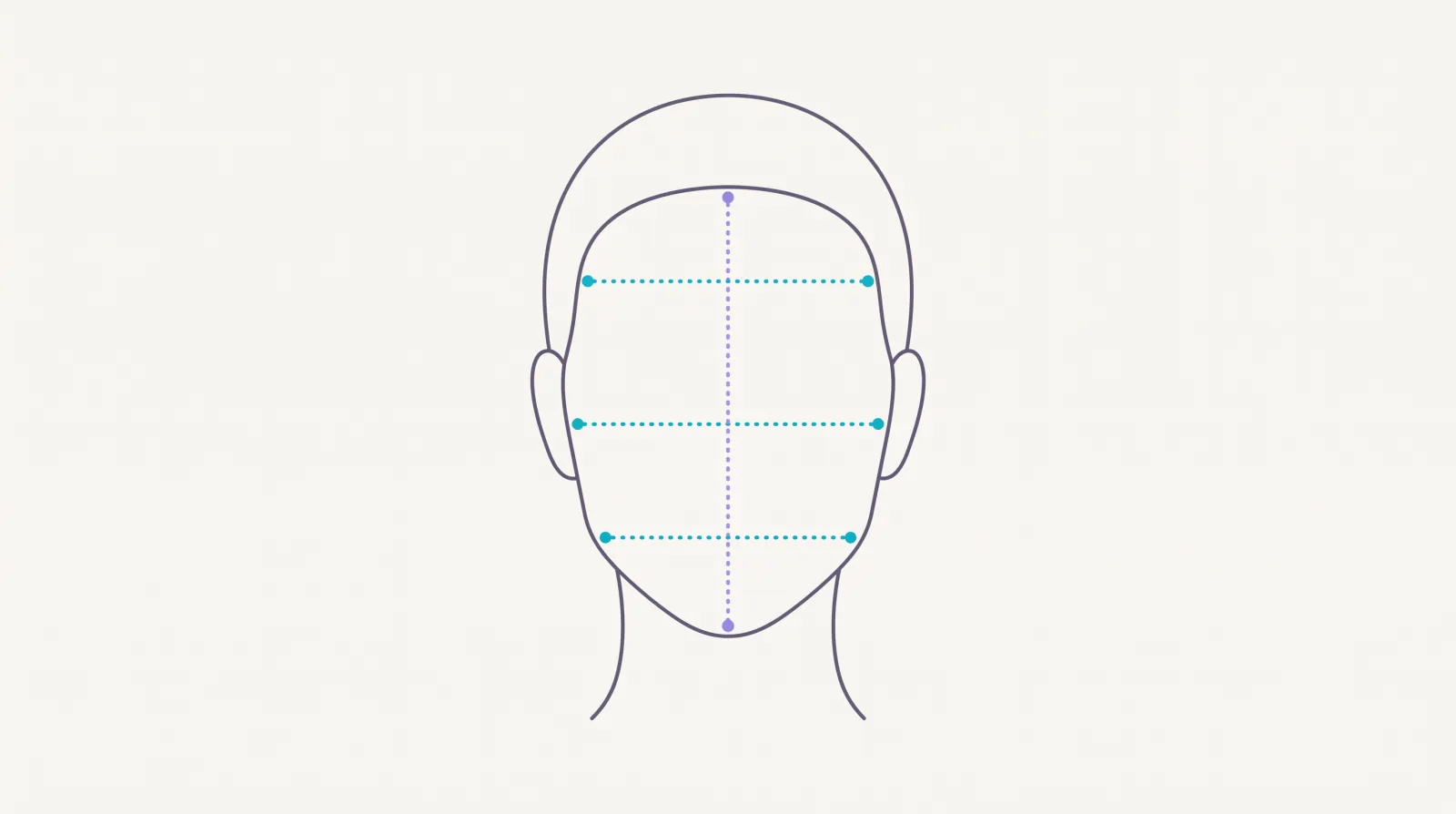
But the underlying idea is sound, and you already use it. When you decide where a fringe should break, whether to keep length below the jaw, or where the shortest face-framing piece should sit, you are responding to the proportions in front of you.
This is about making that instinct explicit enough to explain to a client, without turning it into a list of their flaws.
What face shape actually predicts
It predicts where the eye goes. Hair adds width where it is full and takes it away where it is close. A hard horizontal line, such as a blunt bob ending exactly at the widest point of the cheek, draws attention to that width. The same length, softened, does not.
That is the whole mechanism. It is about balance and where the strongest line sits, not about a rule that says round faces cannot have short hair.
Used this way, face shape answers a narrow set of questions: where should the shortest length fall, how much weight goes near the jaw, where should a parting sit, and how heavy can a fringe be.
What it does not predict
It does not tell you whether the hair will hold that shape. Density, texture, growth pattern, cowlicks, hairline, and how much heat the client is willing to use decide that.
A cut that flatters the proportions and collapses by lunchtime is a failed haircut. In practice, when face shape and hair type disagree, hair type wins, because the client has to live with it every day.
Face shape also says nothing about what somebody wants to look like. Plenty of people deliberately want the thing the rule says to avoid.
Language that works and language that does not
The rule is simple. Talk about the haircut, not the face.
Instead of "you have a round face", say "this length will sit right at the widest point, so I would drop it an inch". Instead of "your forehead is high", say "a soft fringe would shorten the space here". Instead of "square jaw", say "keeping some length past the jaw softens that line".
Same information, completely different experience for the person in the chair. The client hears a plan rather than a diagnosis, and you keep the ability to explain your reasoning, which is what builds trust.
How to work it into the consultation
You do not need to announce it. The judgement happens while you are looking at them and asking about their mornings.
If they ask why you are suggesting something, then say it, in effect language. Most clients find this genuinely reassuring, because it shows there is a reason behind the recommendation rather than a preference.
If a client brings up face shape first, which happens more now that quizzes are everywhere, take it seriously and then widen it. "That is a fair starting point. The bigger question for your hair is how much density you have through the ends."
When the client has already been told their face shape
They may have used an app or a quiz. Sometimes it is right. Sometimes it is confidently wrong, especially from a photo taken at an angle or with the hair covering the hairline.
Arguing with it wastes goodwill. A better move is to use it as an opening: "Let us look at that in the mirror together." Then point at the actual proportions, on their actual head, and either agree or adjust.
You are the one who can see the hairline, feel the density, and check the growth pattern. That is not a competition you can lose.
The cases where it genuinely changes the cut
A few situations where proportion is decisive rather than decorative.
A very strong horizontal line landing on the widest part of the face. A fringe on someone with a short distance between brow and hairline, where a heavy fringe removes most of the visible forehead. A very short crop on a long, narrow face, which can lengthen it further unless width is kept at the sides. Face-framing pieces cut too short on a broad face, which pushes the eye outwards.
These are the moments to speak up before you cut, not after.
Why clients arrive talking about this
Face shape is the language the internet gave them. It is how the question is asked in searches, in quizzes, and in the tools they use before they book.
That is fine. It gets them to a specific request instead of "something different". Your job is to take the specific request and translate it into something their hair can actually do.
Kurli treats face shape the same way: as context that explains a recommendation, not as the headline. It leads with the styles and the reasons, then hands the client to a stylist who can check the parts a photo cannot see.
Common questions
Is face shape real or is it a myth?
The proportions are real and they affect where the eye goes. The myth is the strict rulebook that says a given shape is banned from a given haircut.
Which matters more, face shape or hair type?
Hair type, in almost every case. A shape that suits the face but cannot be held by the hair fails as soon as the client washes it themselves.
How do I tell a client a style will not suit them?
Explain the effect, not the flaw, and always offer the nearest version that will work. 'That length will land at the widest point, so I would go slightly longer' is advice. 'Your face is too round for that' is an insult.
Do clients get upset when face shape comes up?
They get upset at being described, not at being advised. Keep every sentence about the haircut and the reaction is usually curiosity.
Are face shape apps accurate?
They vary, and photo angle affects them a lot. Treat the result as the client's opening position, then check the real proportions in the mirror with them.
Does face shape matter for men's cuts too?
Yes, and often more visibly, because short hair sits closer to the head and hides less. Beard shape interacts with it as well.
What about clients who wear glasses?
Glasses are a strong horizontal line across the face, so they change the maths. Ask the client to keep them on for the consultation.
Does face shape change with age?
The soft tissue around the jaw and cheeks changes over time, so the proportions a client had at twenty are not always the ones they have at sixty. It is worth re-checking rather than assuming.
Should I bring up face shape unprompted?
Only as reasoning behind a recommendation. Announcing a category unprompted rarely helps and often lands badly.
Is it useful for colour as well as cut?
Yes. Where the brightest pieces sit changes where the eye lands, in the same way that length and weight do.