AI Hairstyle Changer
Search any hairstyle. See it on you.
Type a look (a bleached buzz, a modern mullet, curtain bangs) and Kurli renders it onto your own photo, so you can judge it on you before you commit to the chair. The face read is free, the render is the paid step, from $0.99.
Tap to pick a selfieDrop a selfie here, or click to browse
Front-facing, well-lit photos work best.
Your photo is used to render the style. Kurli keeps a copy; email us to have it deleted.
Popular styles to try
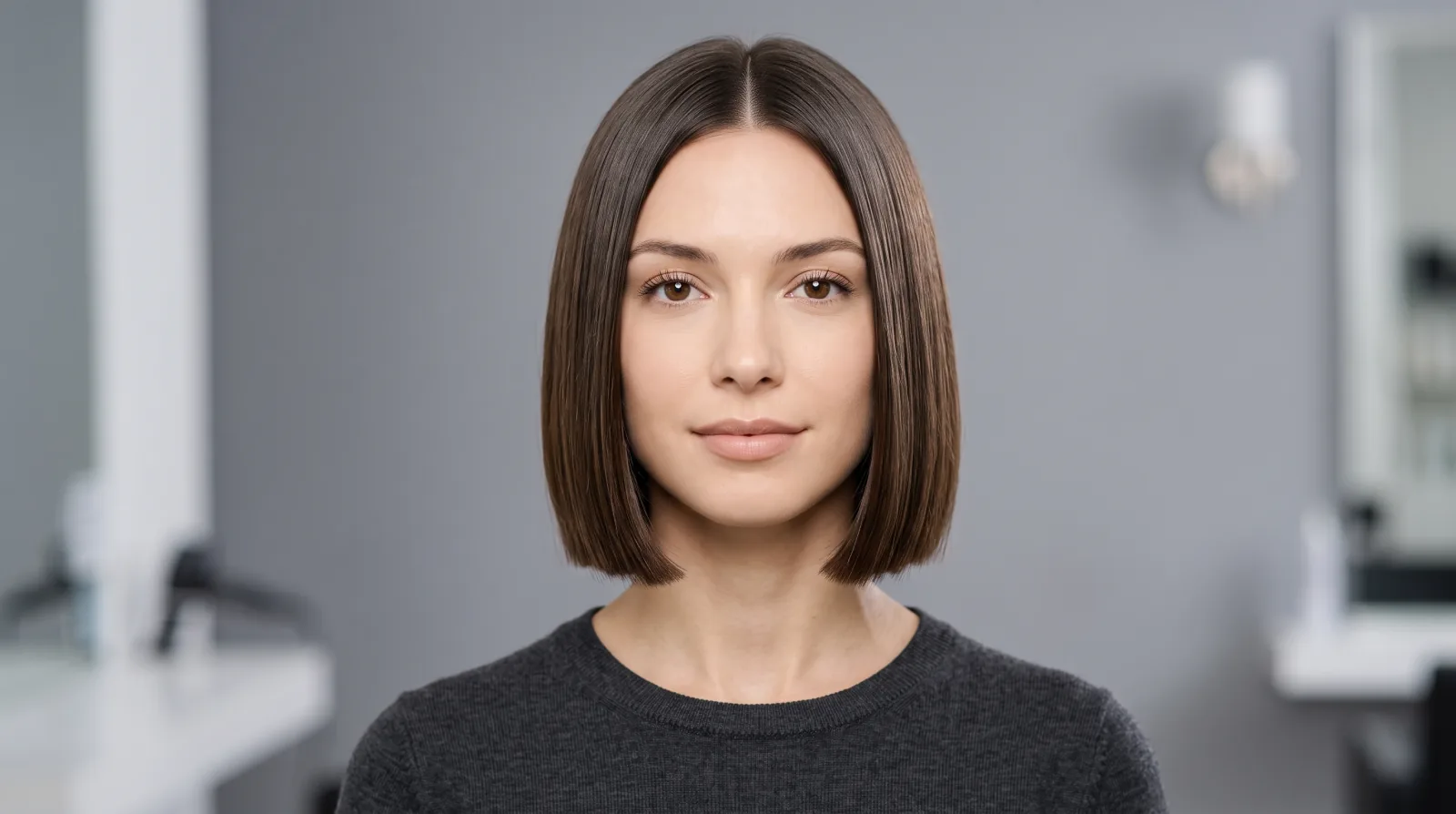
See a blunt, angled, or chin-length bob on your own face before the scissors come out.
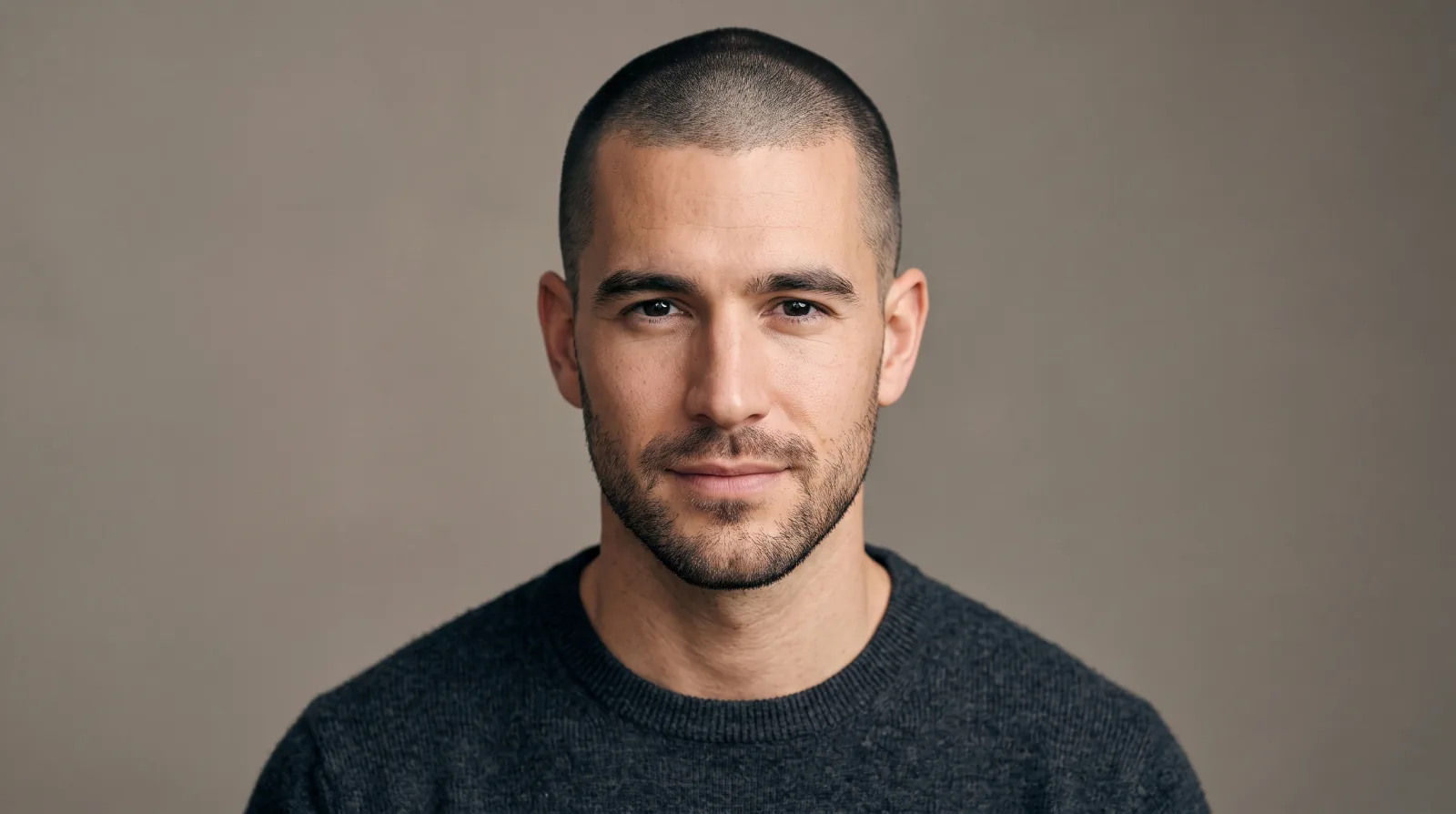
The least reversible haircut there is. Look at it on your own head first.
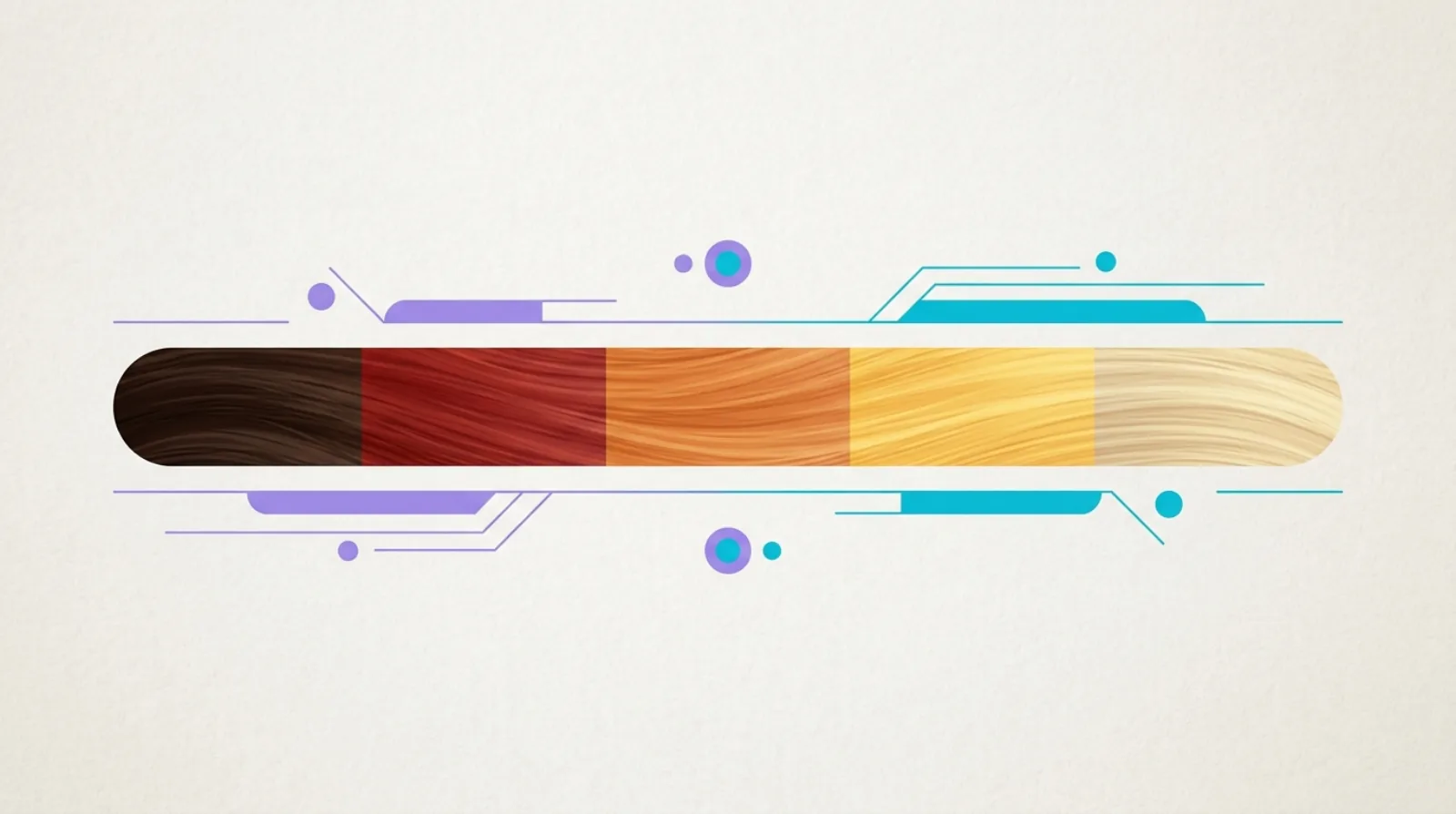
The most expensive colour to get wrong. Try it on your own face first.
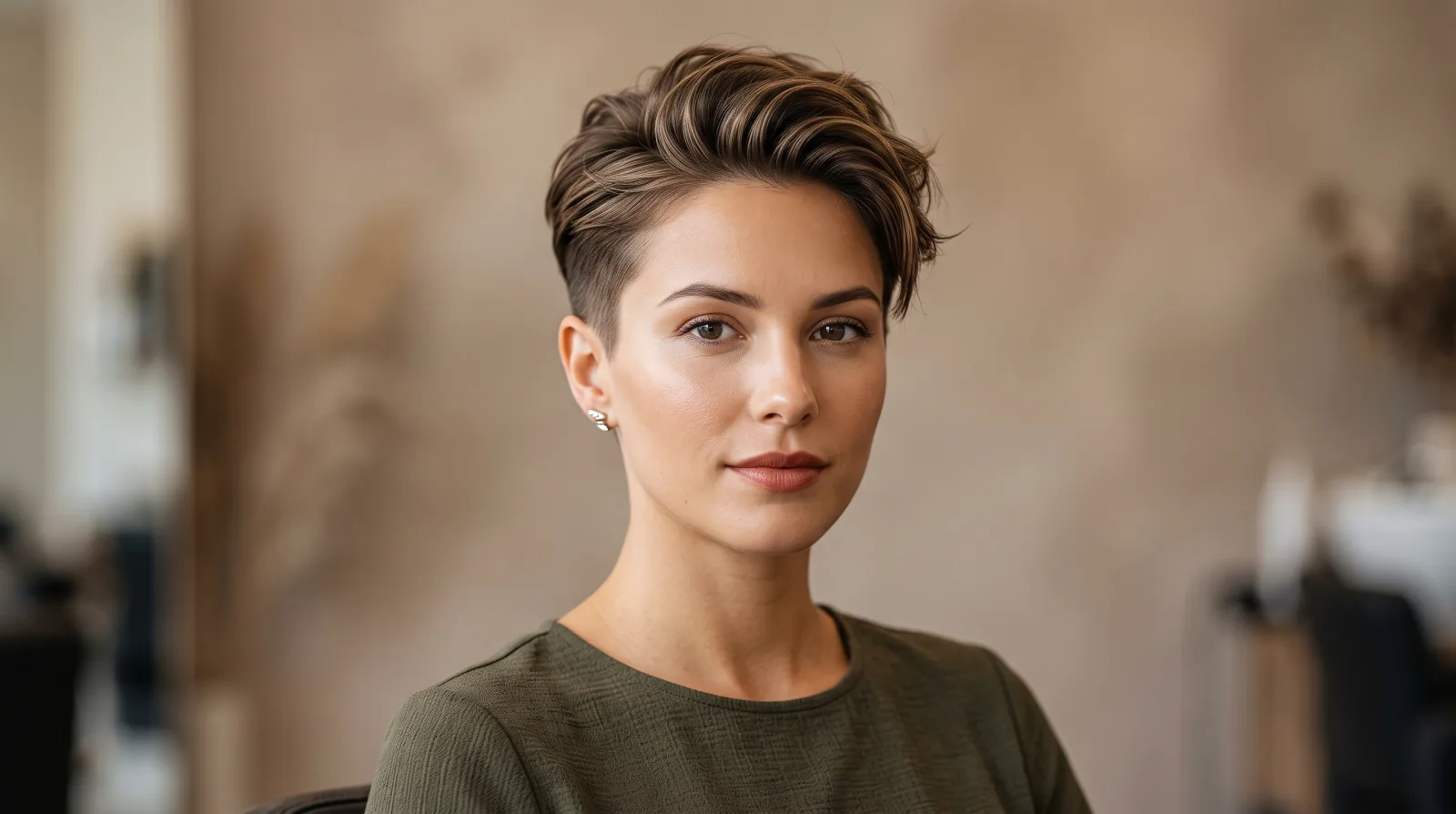
The highest-anxiety cut on the site. Eighteen months to undo, one minute to preview.
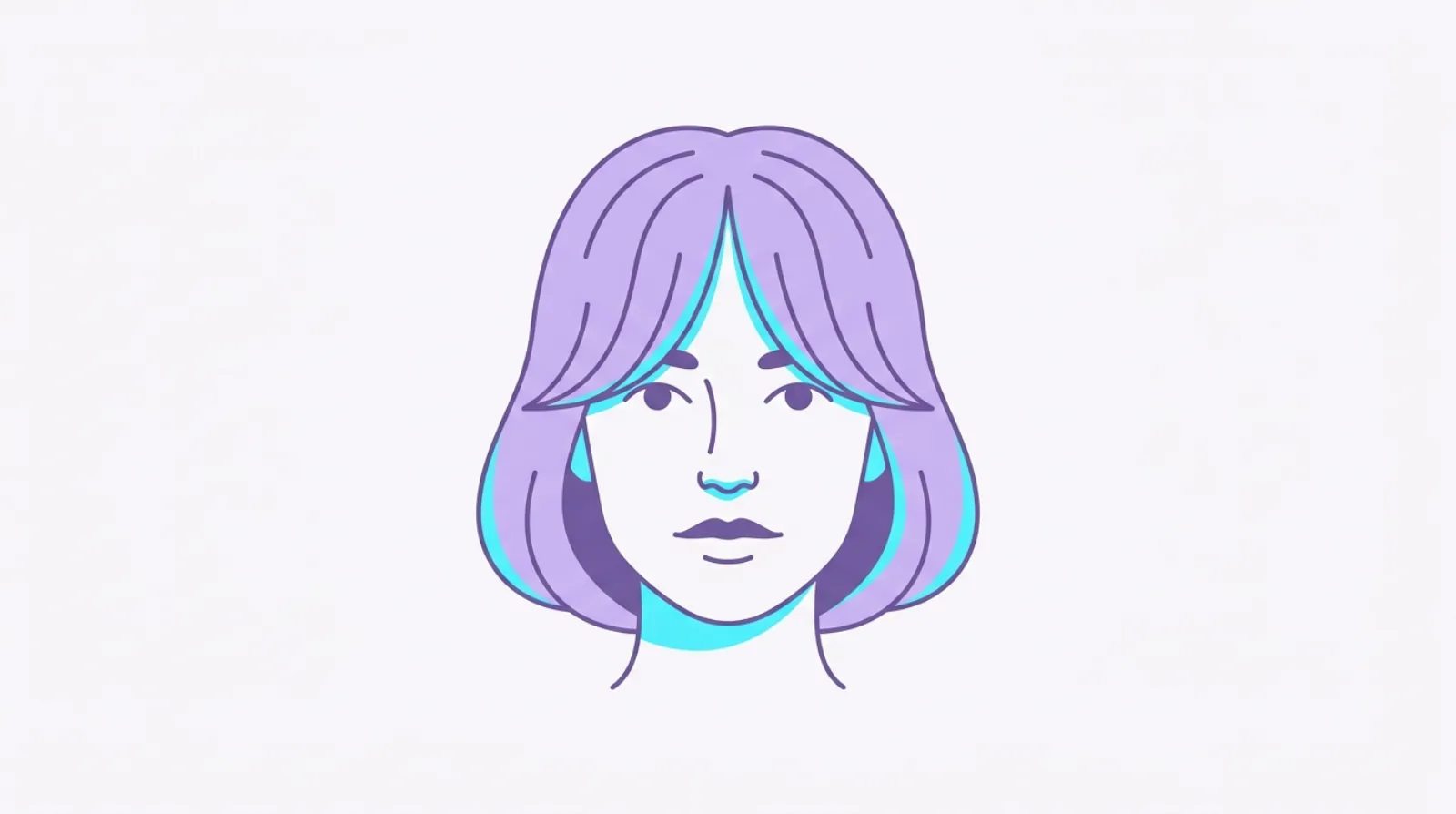
The softest way into a fringe, and the easiest to grow out. See it first anyway.
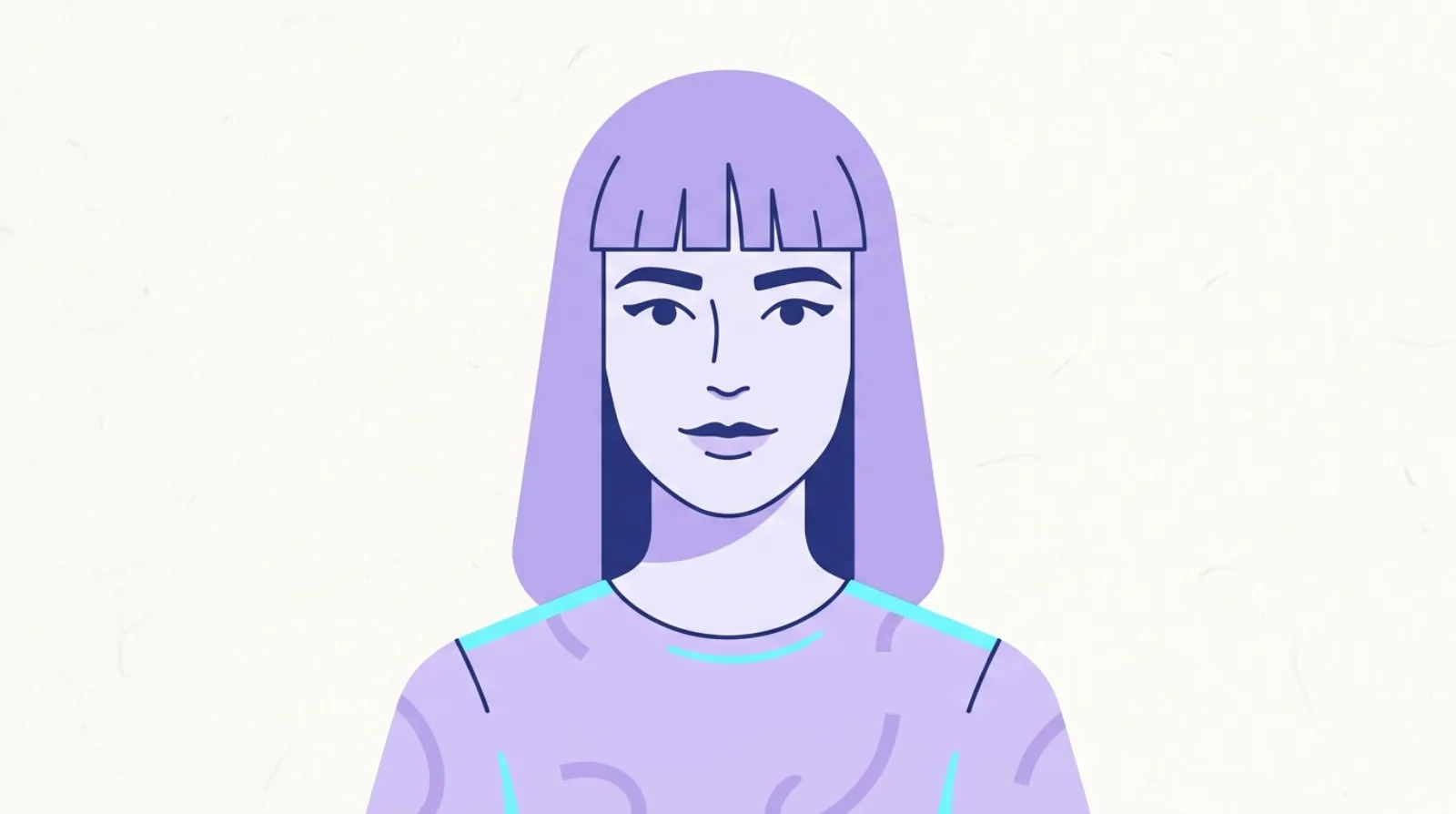
Should I get bangs is the question this tool exists to answer.
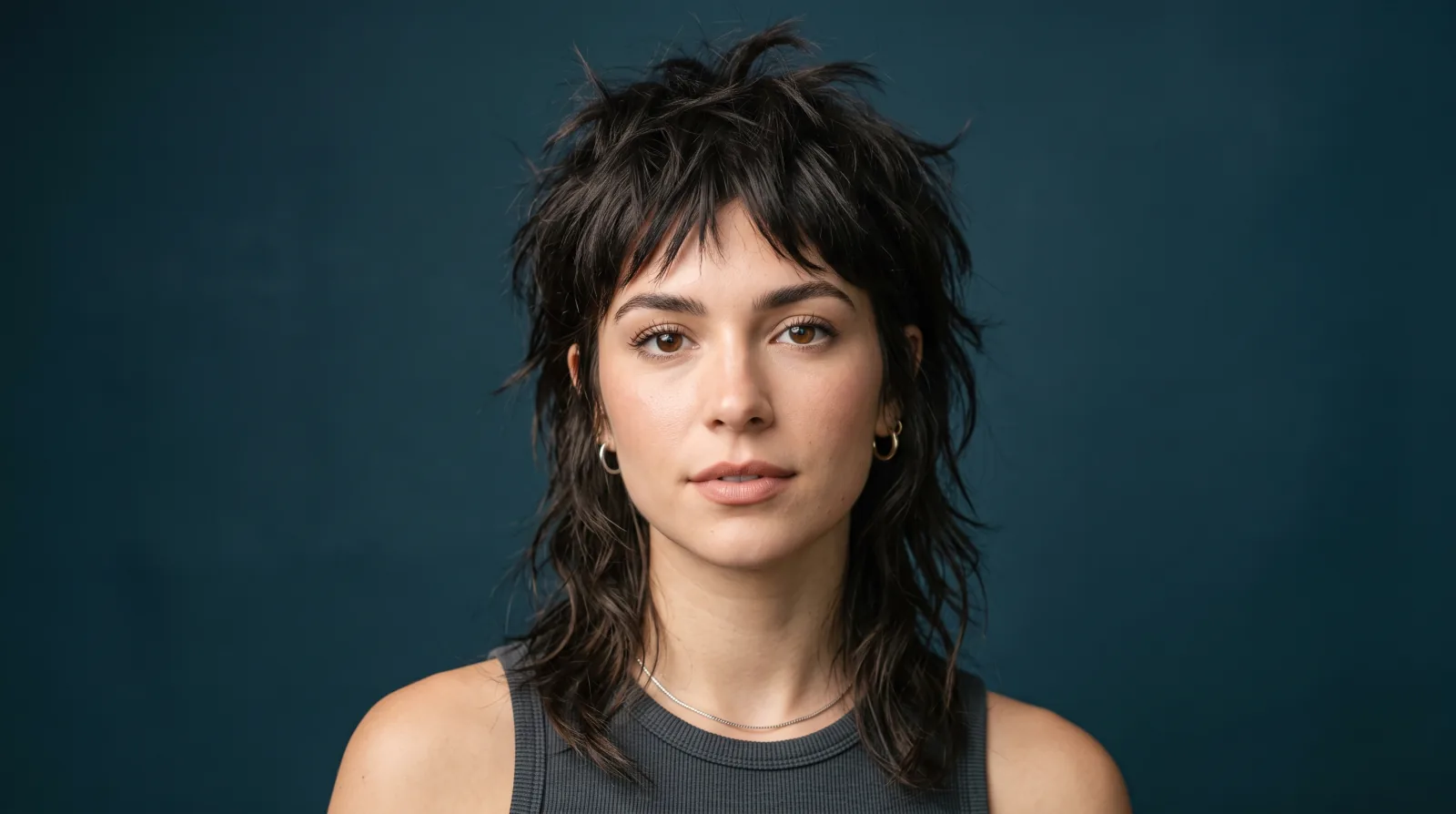
A shape almost nobody can picture from words. Look at it on yourself instead.
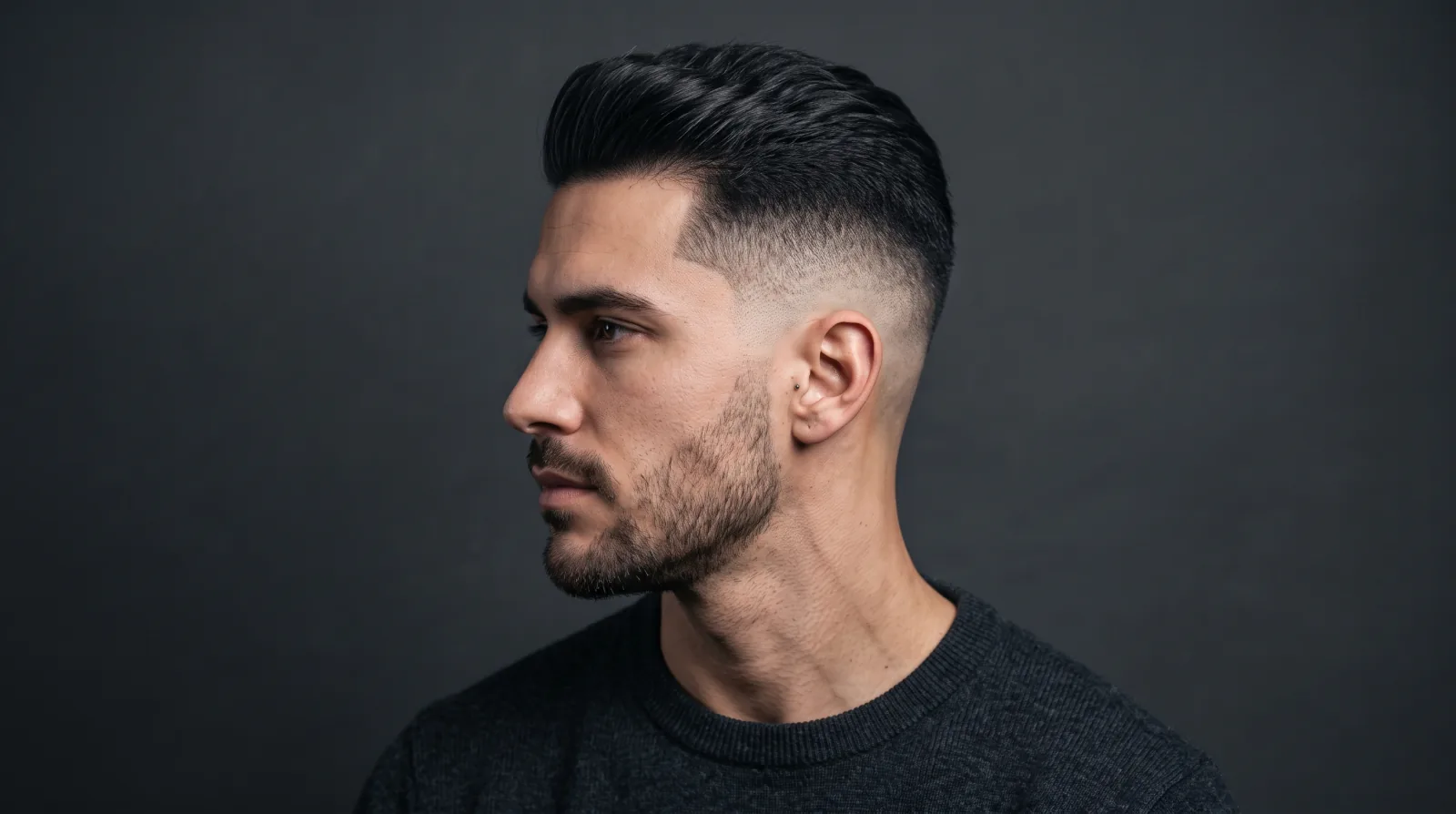
Low, mid, or high changes the whole face. Most people find out in the chair.
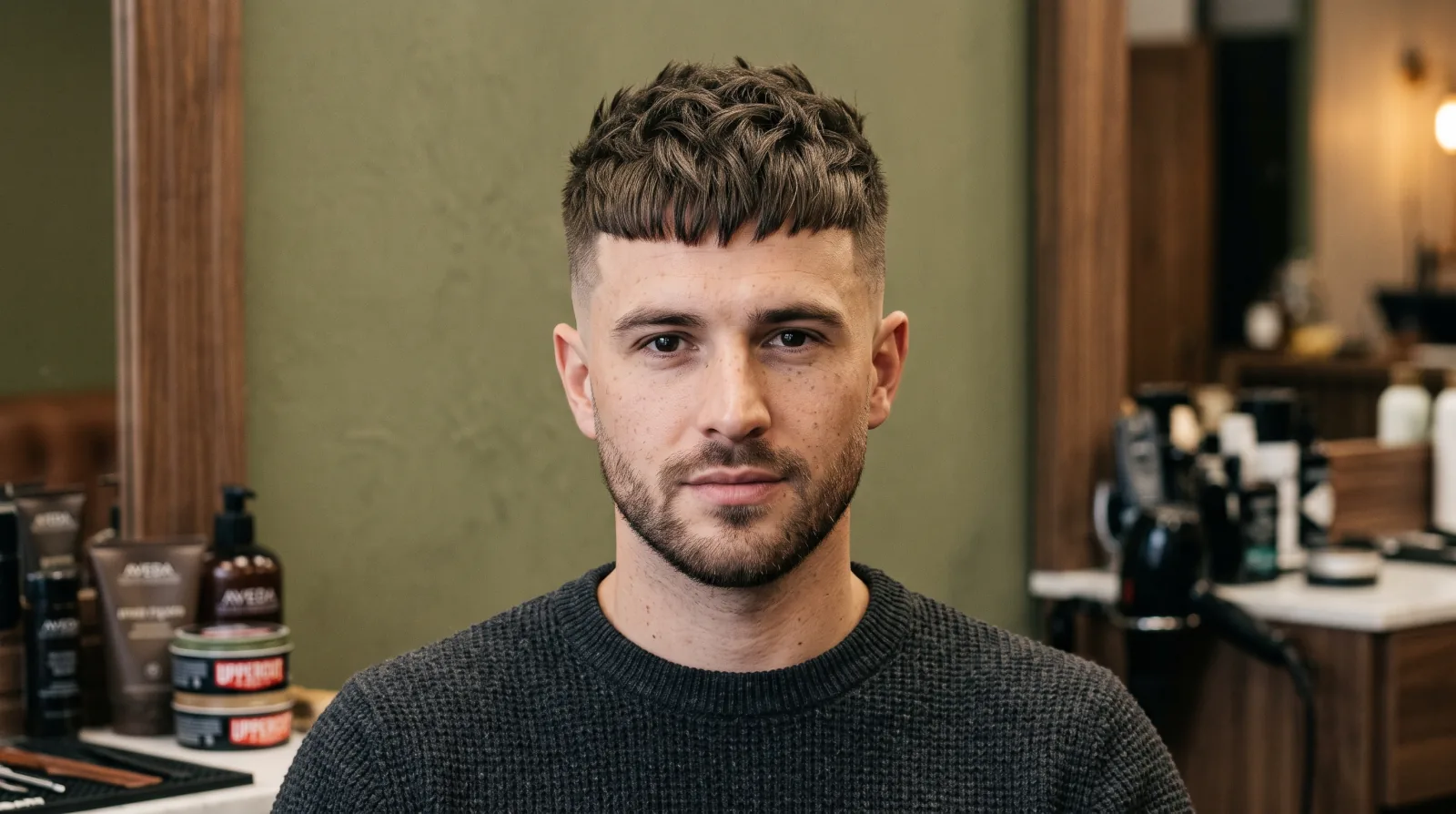
The fringe lands on your hairline. That is the part worth checking first.
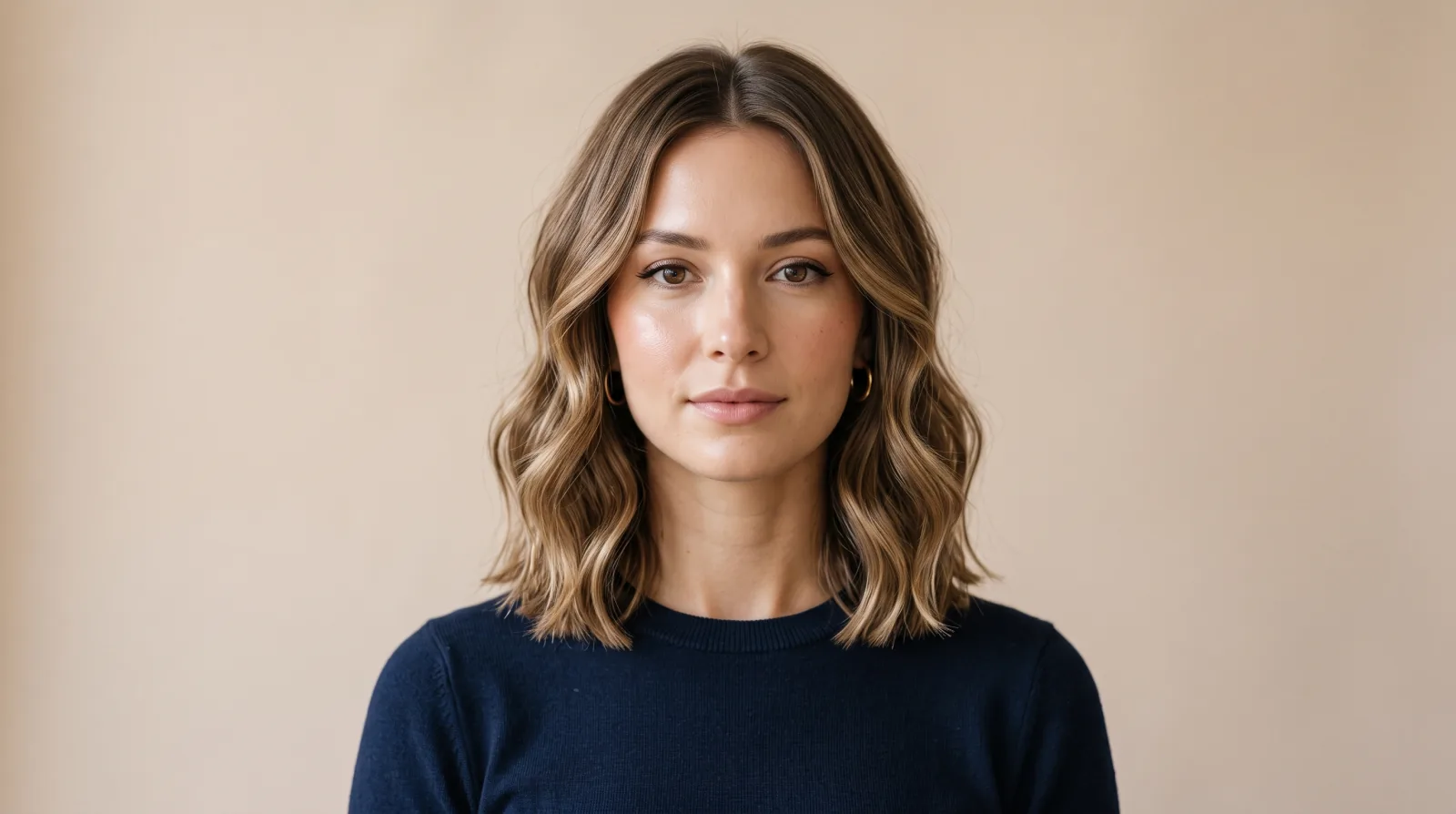
The length that still ties back. See where the layers land before you choose.
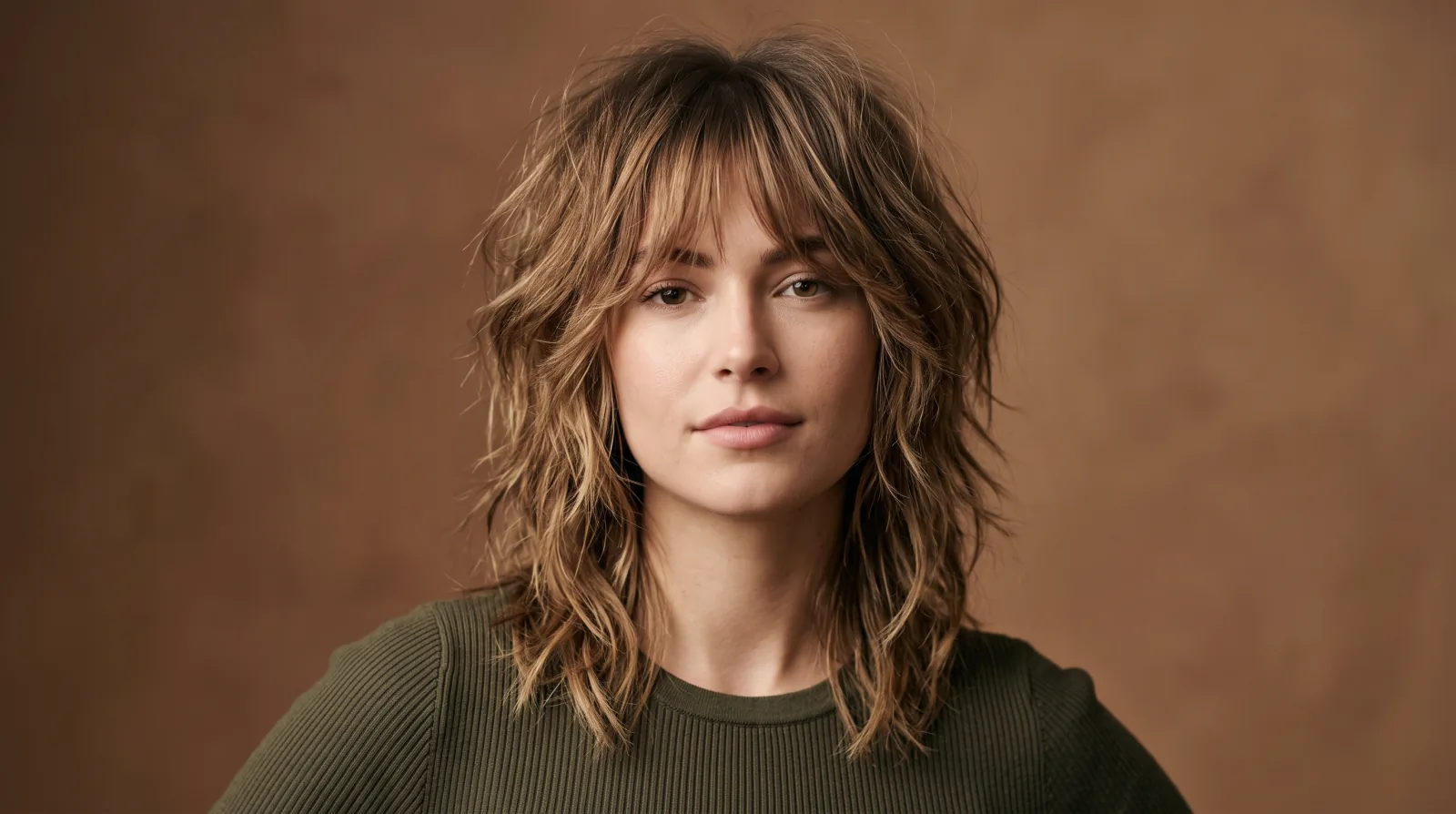
Layering is a shape, not a description. Look at it on yourself.
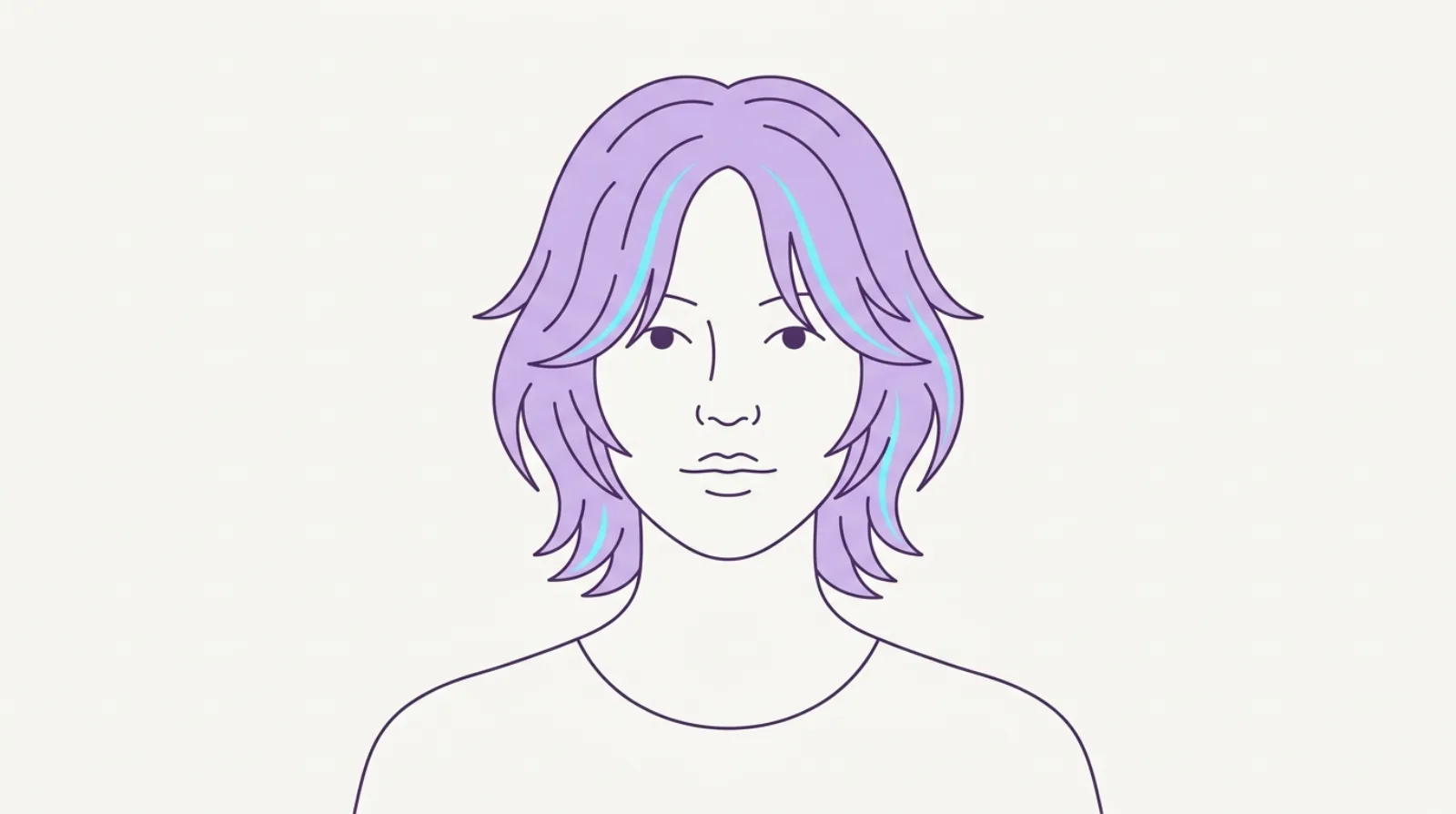
Keeps your length, changes your whole front. Worth seeing before you commit.
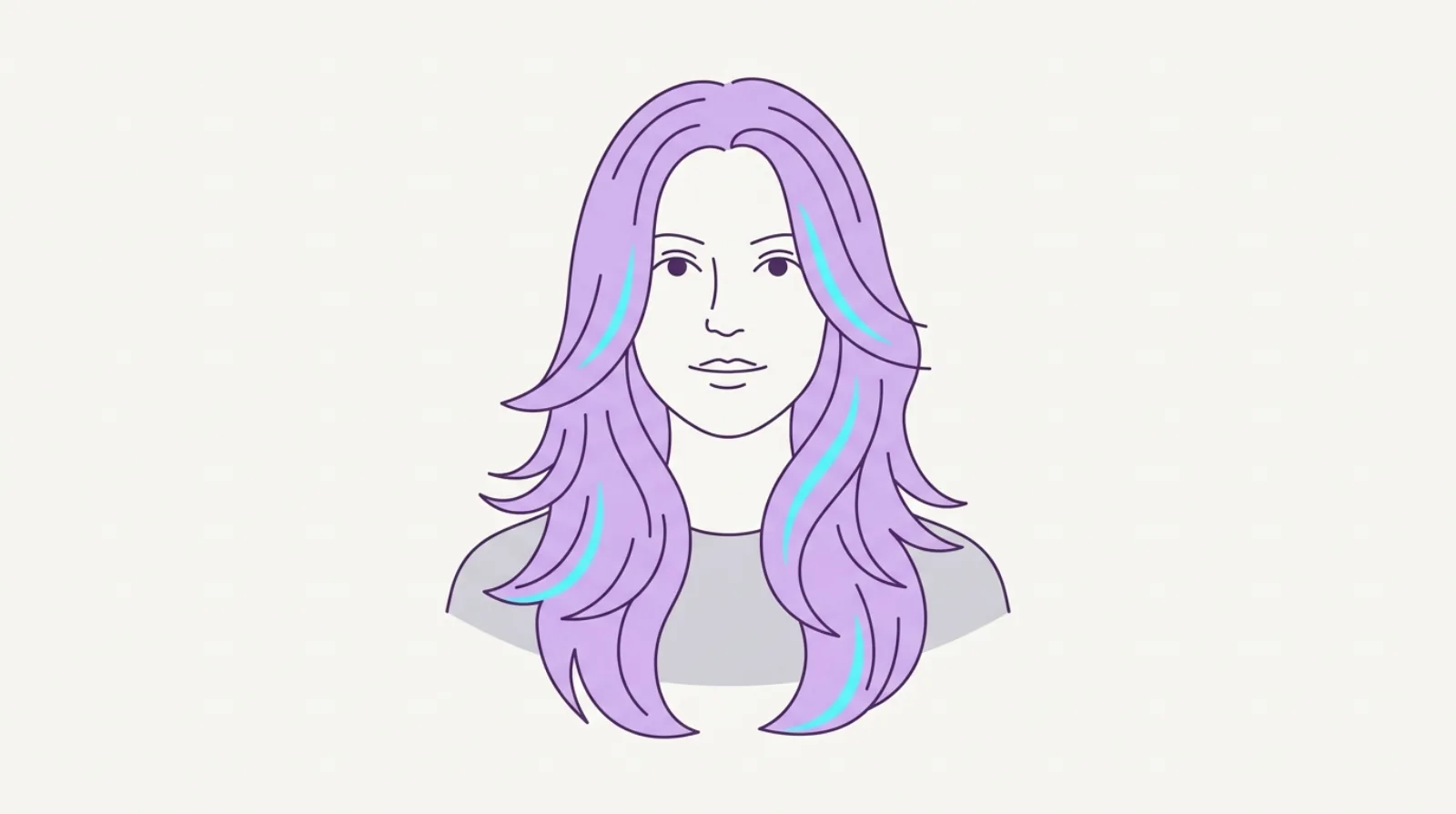
Layers remove weight you cannot put back. Preview how much first.
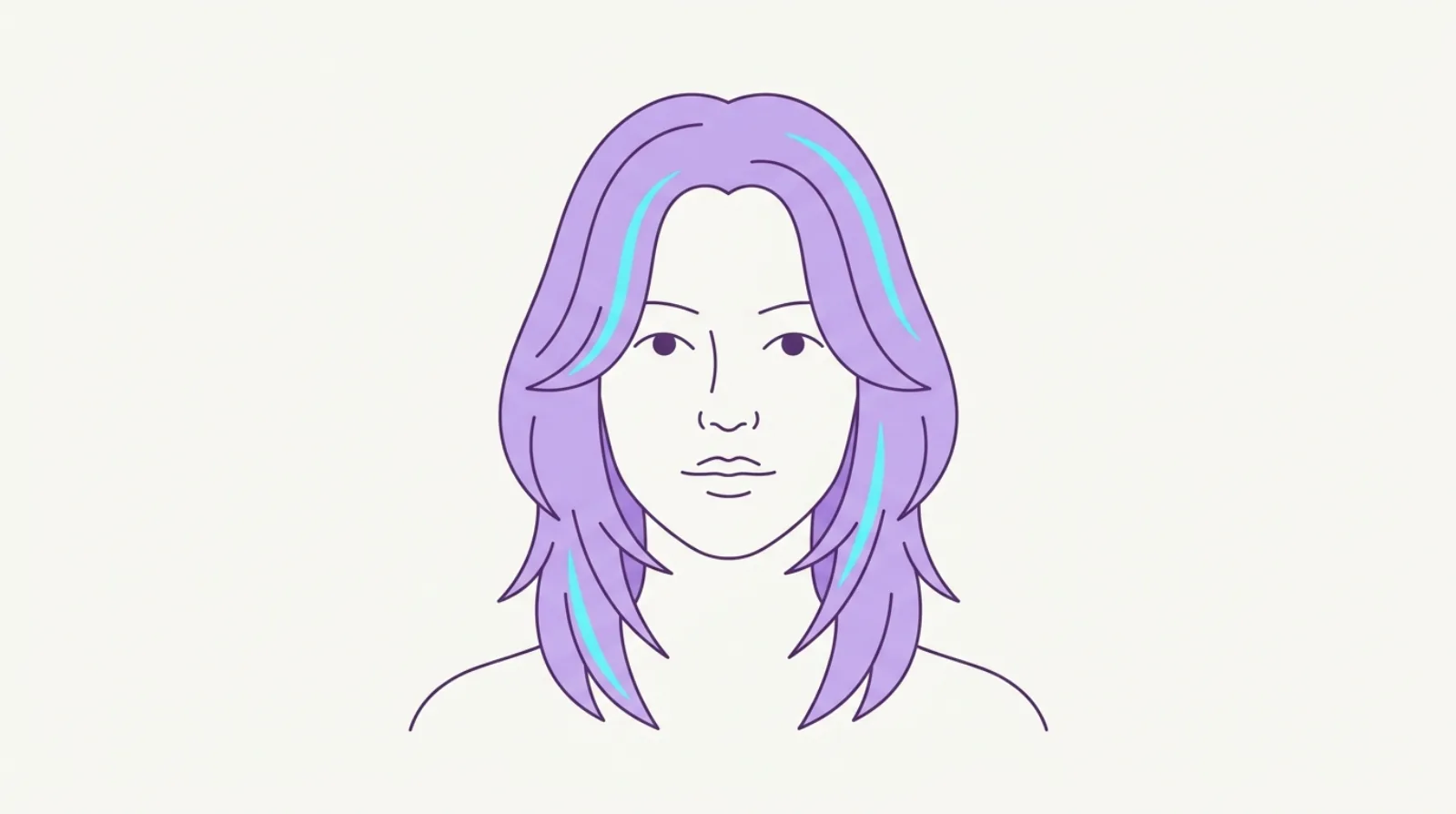
The most face-dependent cut on the site. Your face is the only useful test.
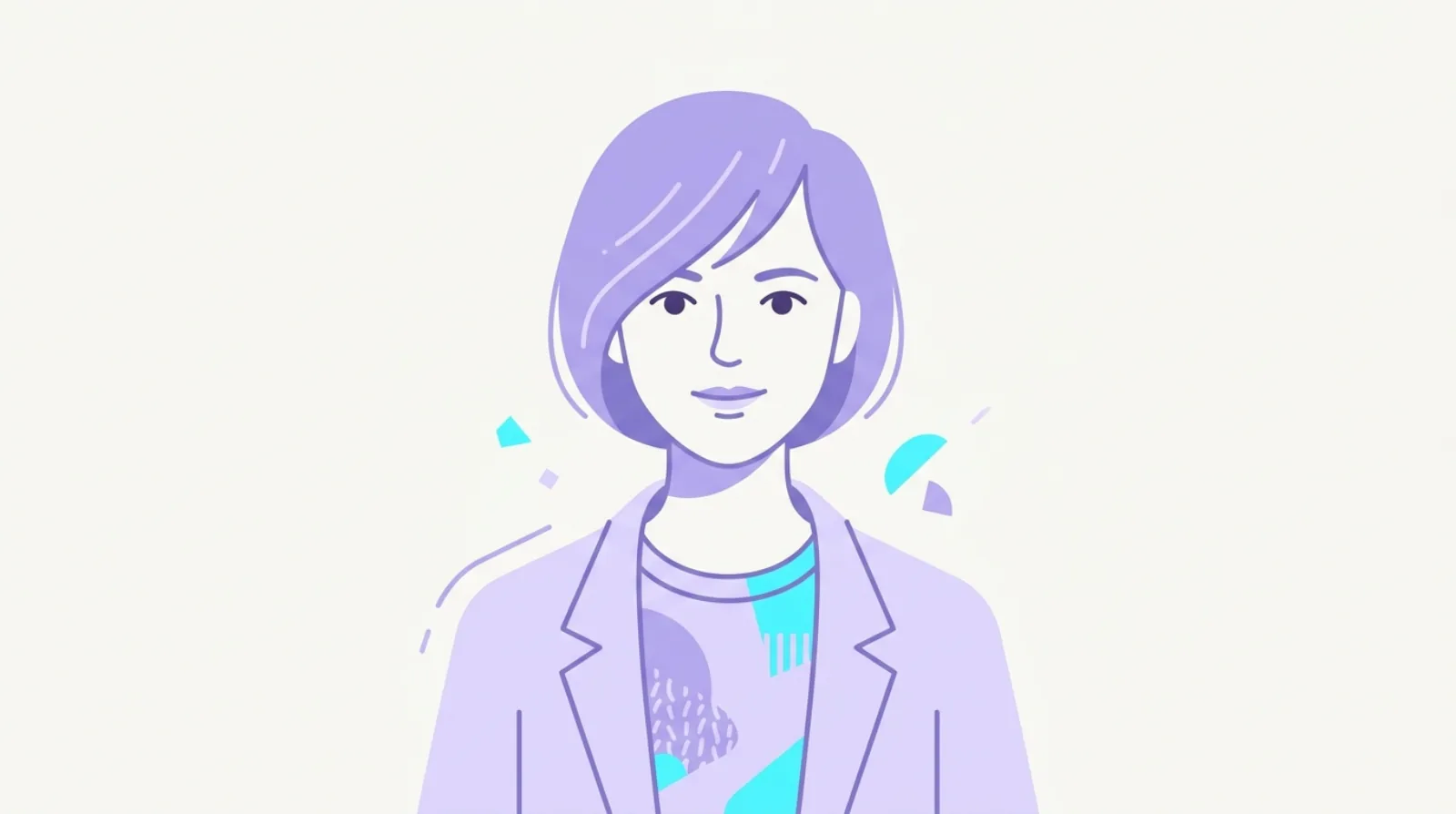
The gentlest fringe there is. The direction it sweeps still changes your face.
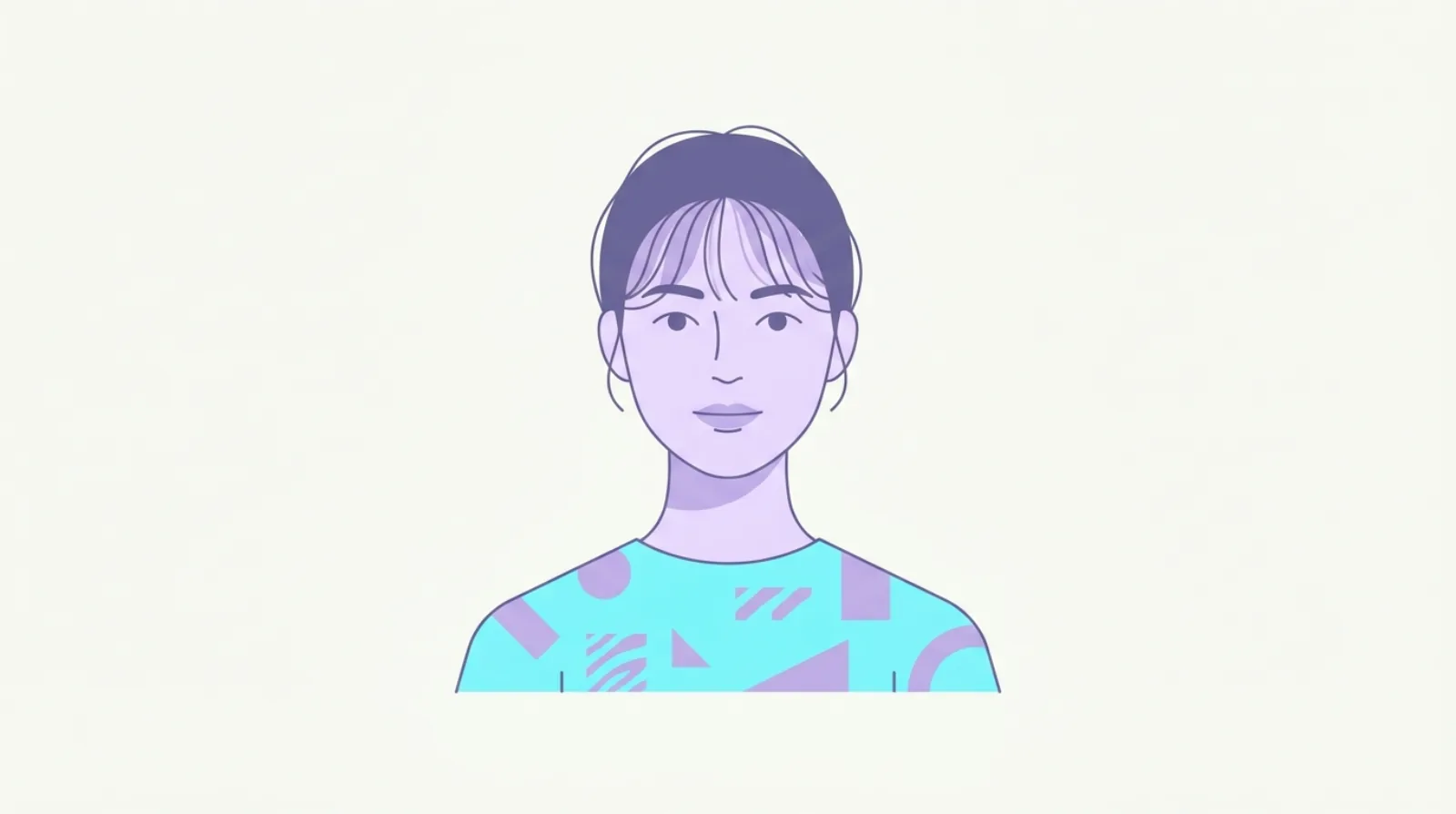
A fringe you can see through. The lowest-commitment version there is.
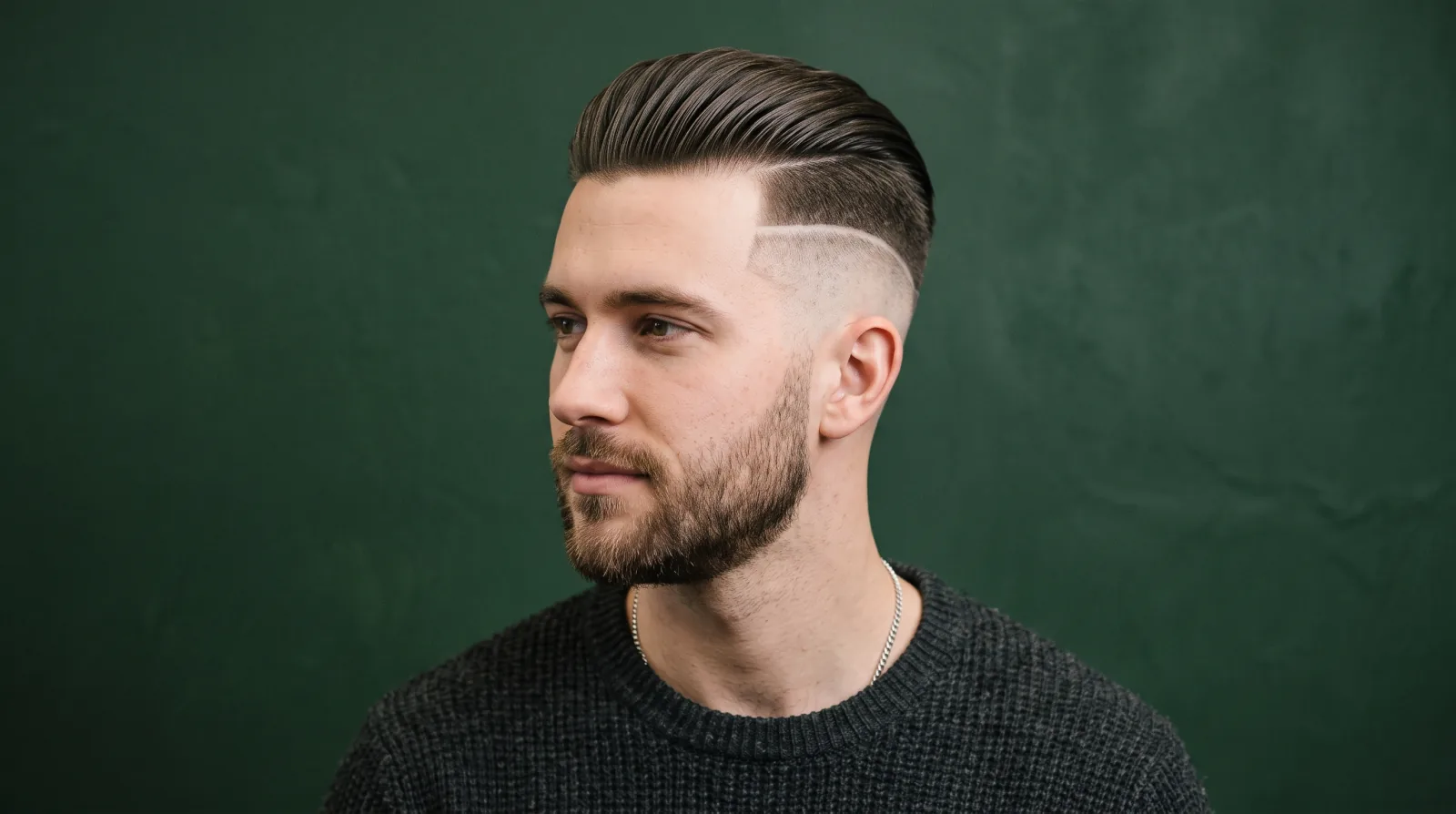
A hard line between top and sides. Severe, and worth seeing before you commit.
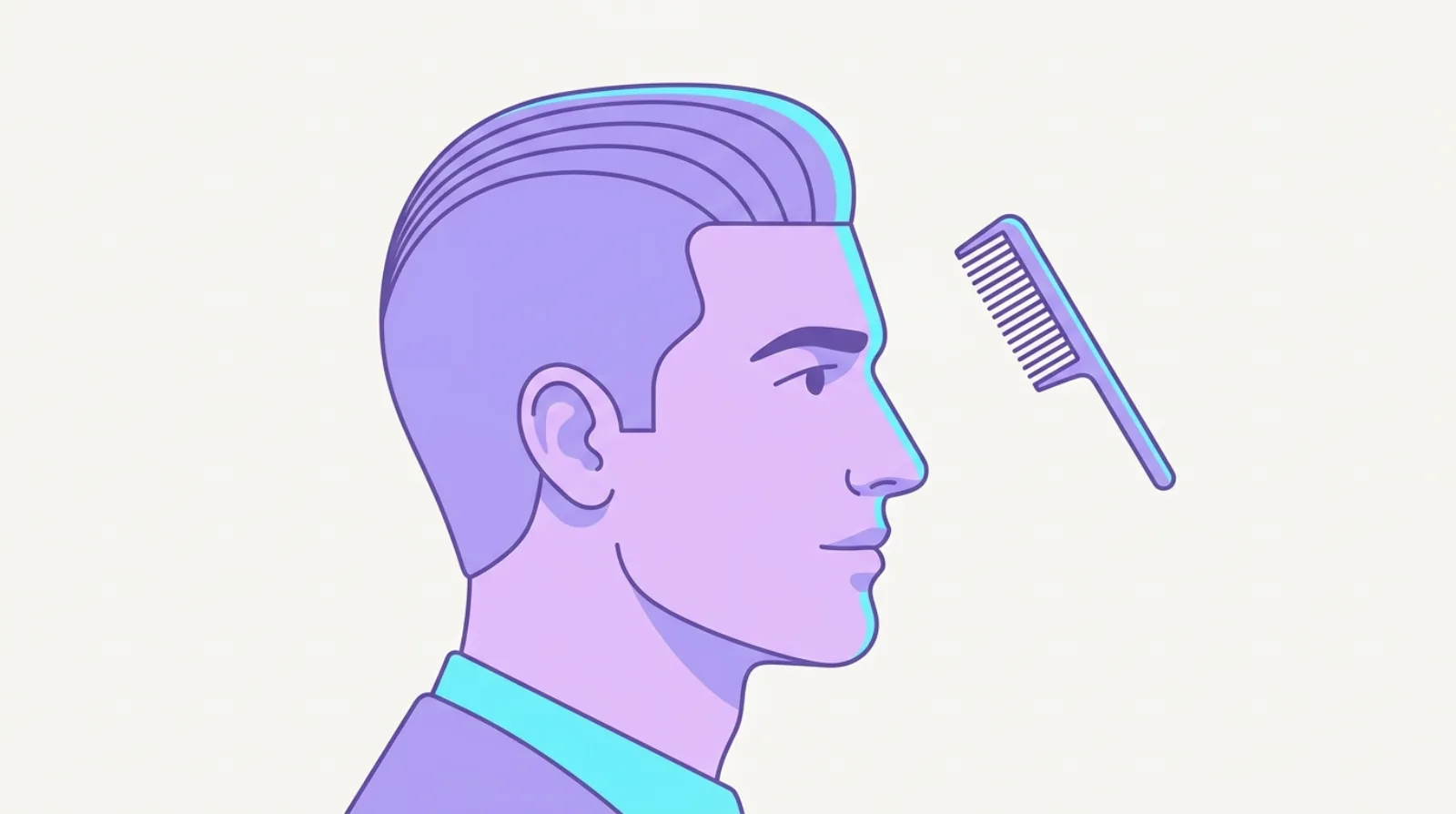
Exposes your whole hairline. That is the part worth looking at first.
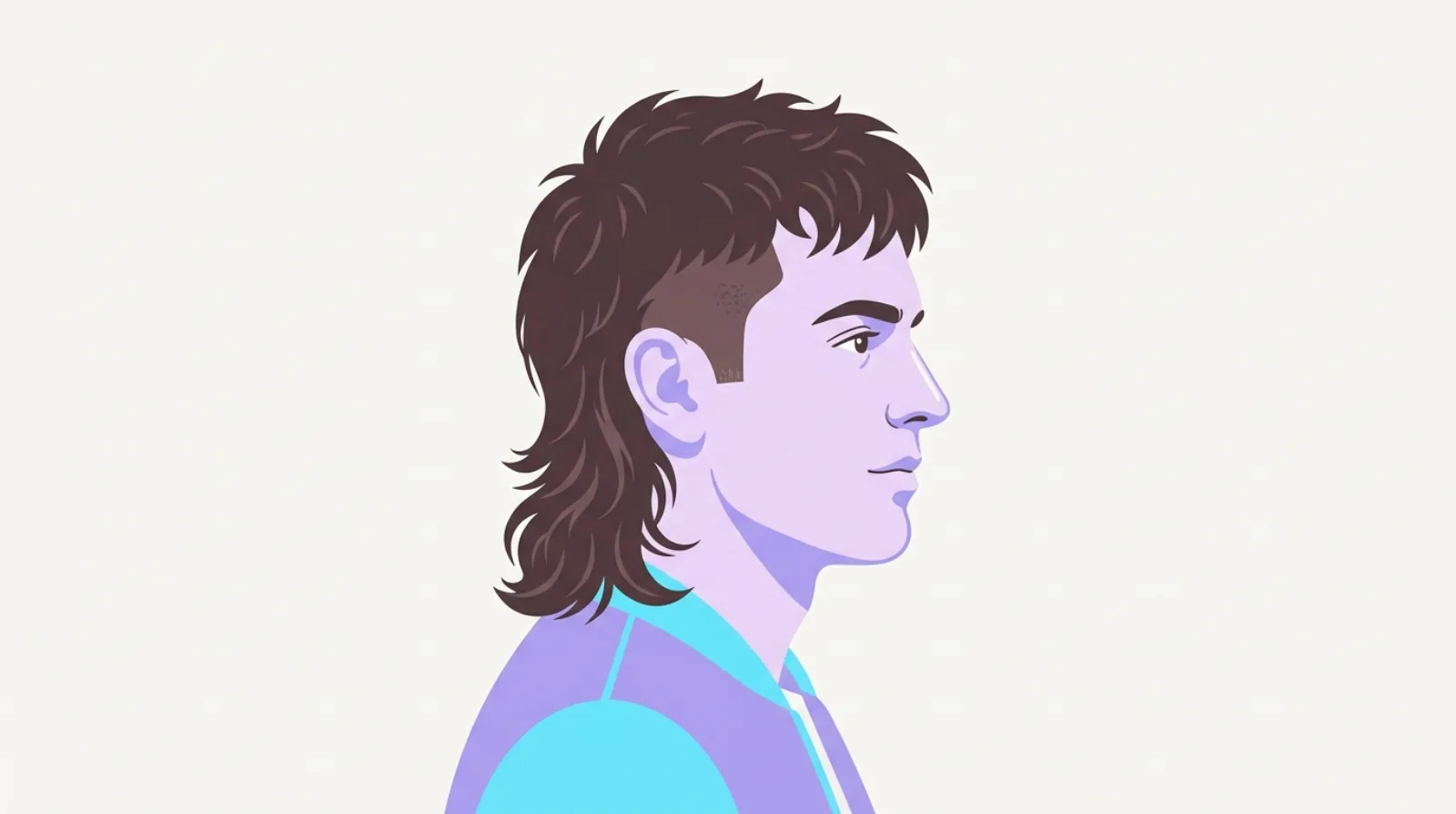
Short on top, long at the back. The grow-out is the part nobody previews.
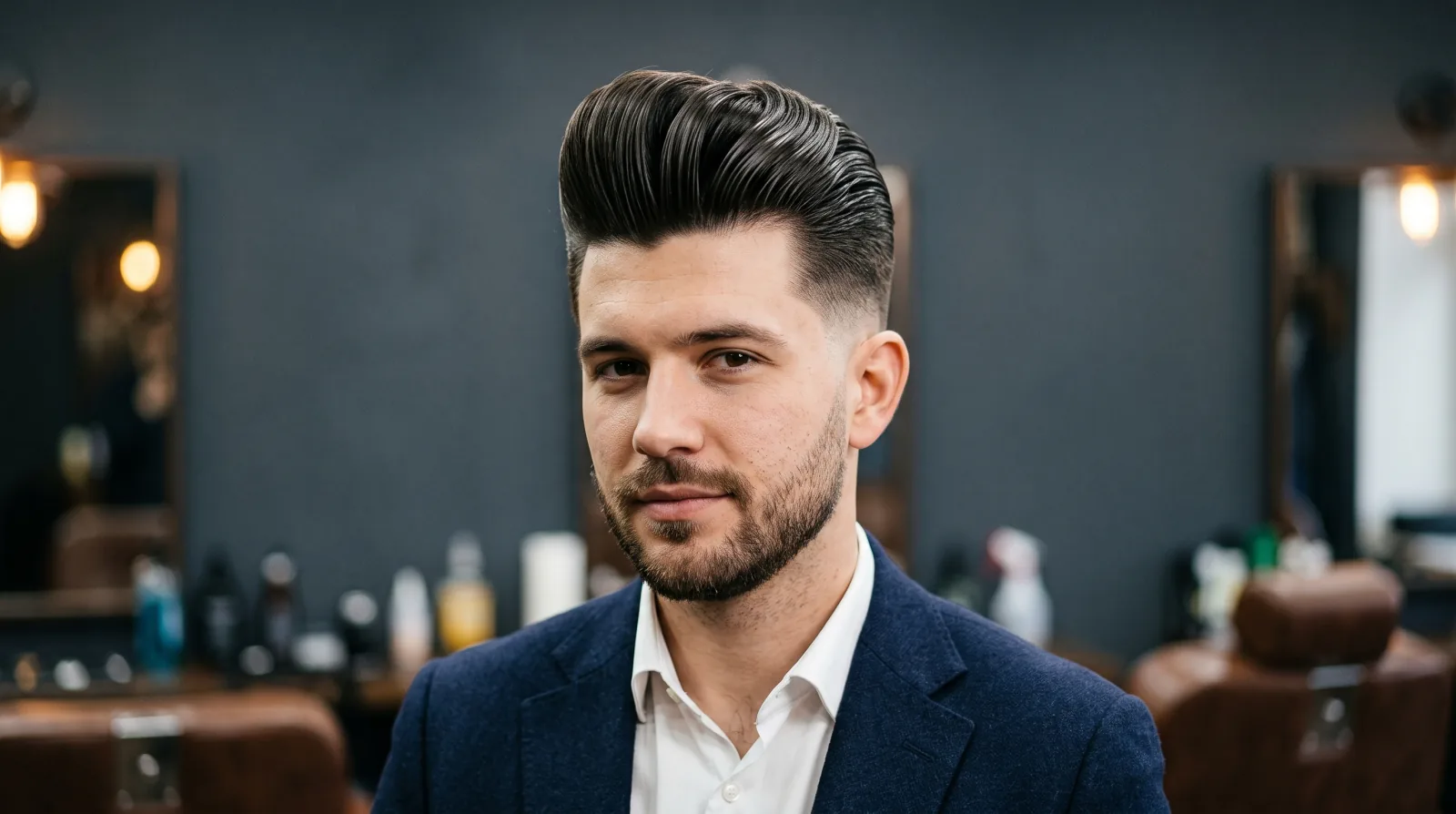
Height at the front changes your whole face. See how much before you book.
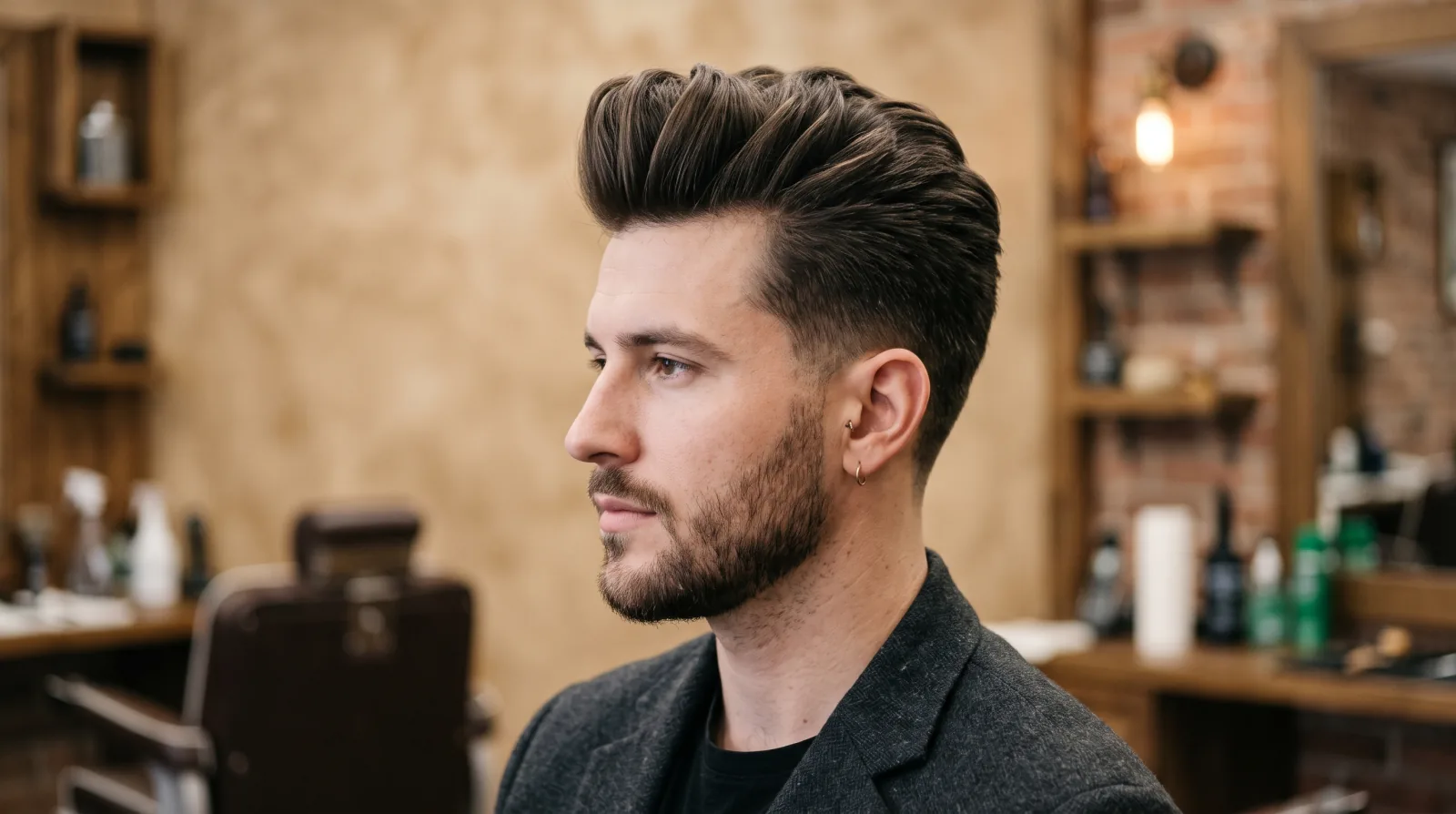
The middle ground between a pompadour and a crop. Height without the formality.
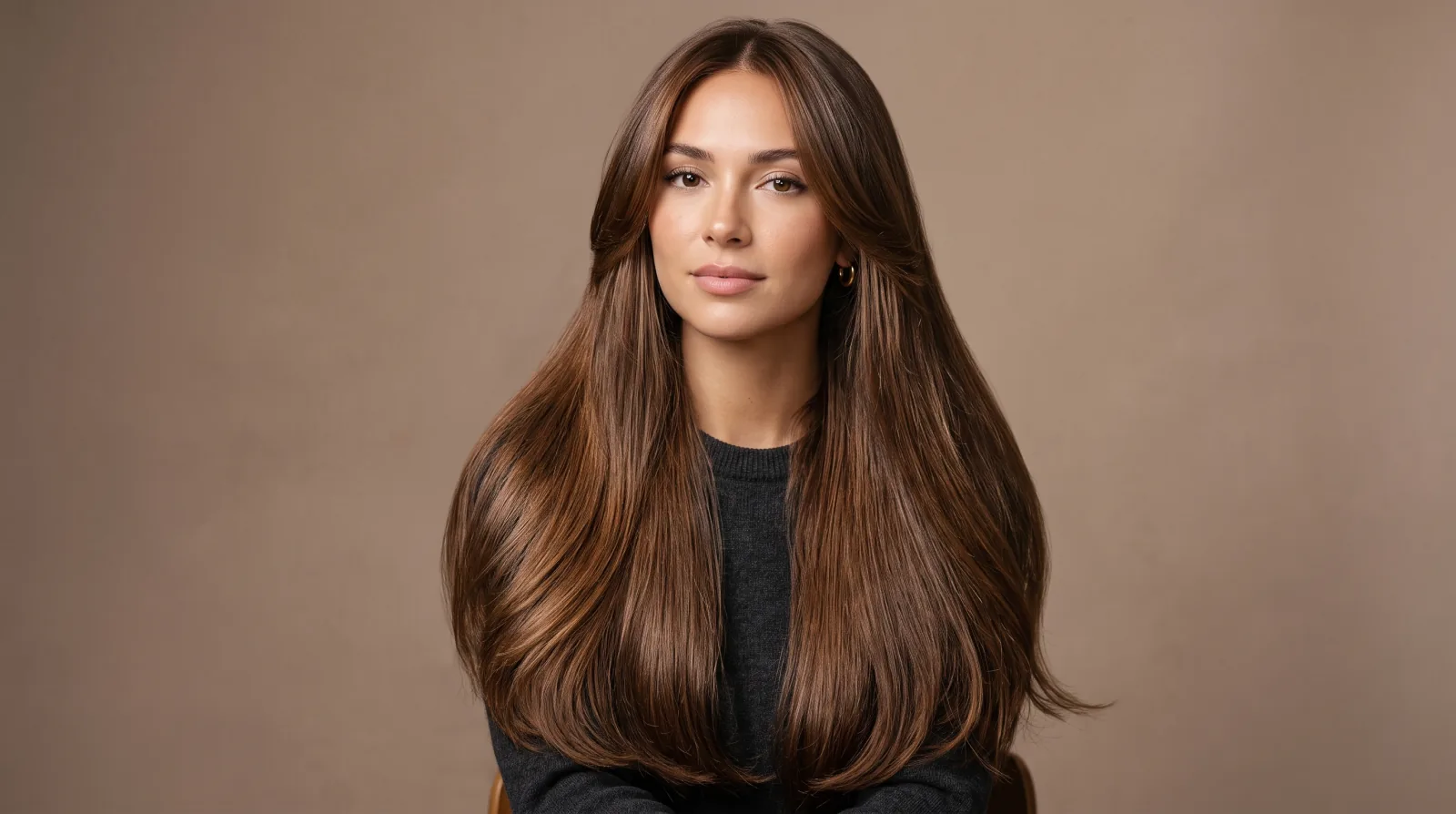
Mostly a texture change. See it before you commit to heat or a treatment.
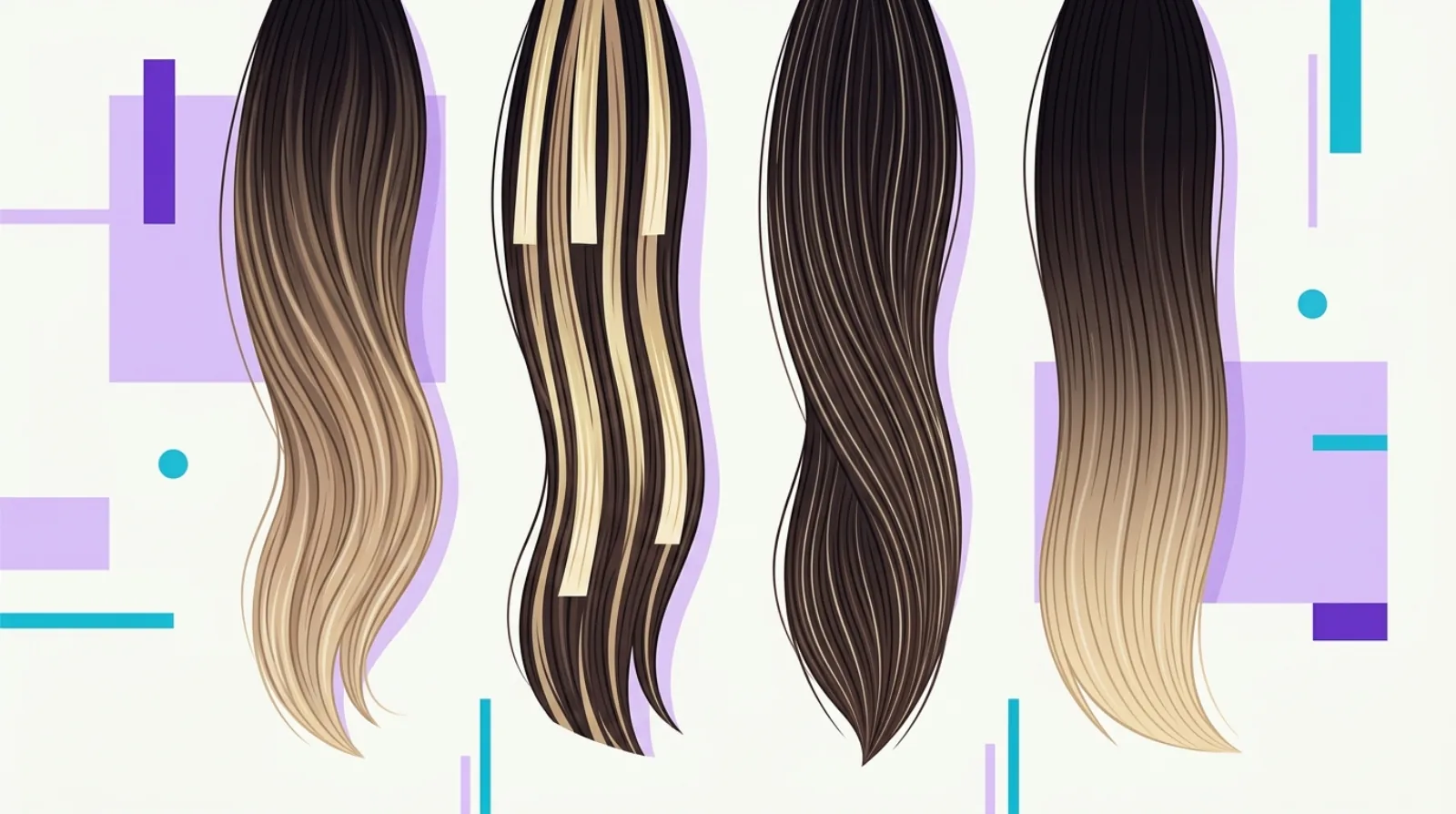
Placement is the whole technique. See where it lands on your own hair.
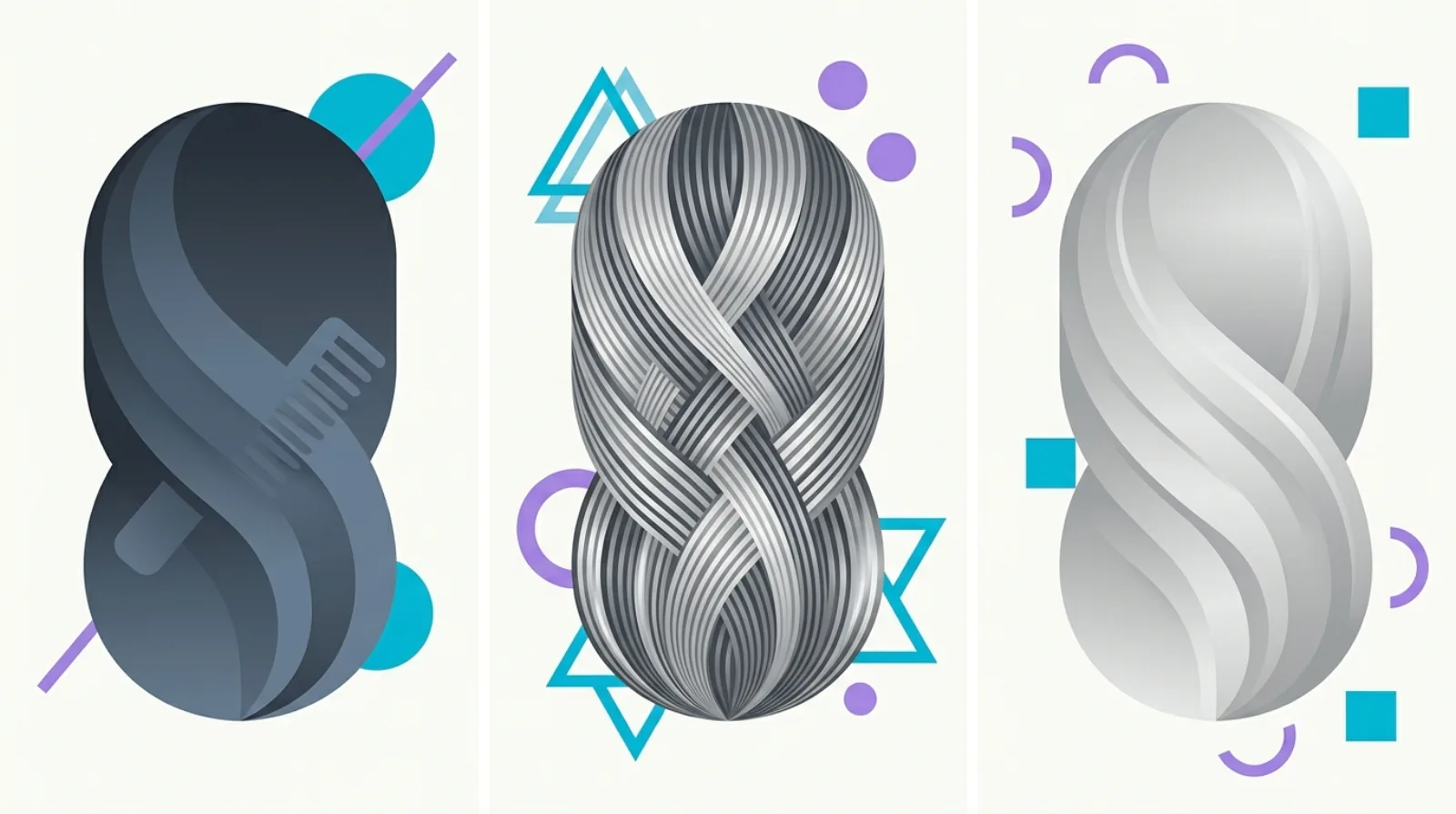
Whether you are dyeing it or growing it out, see it on your own face first.
Questions
- How does the try-on work?
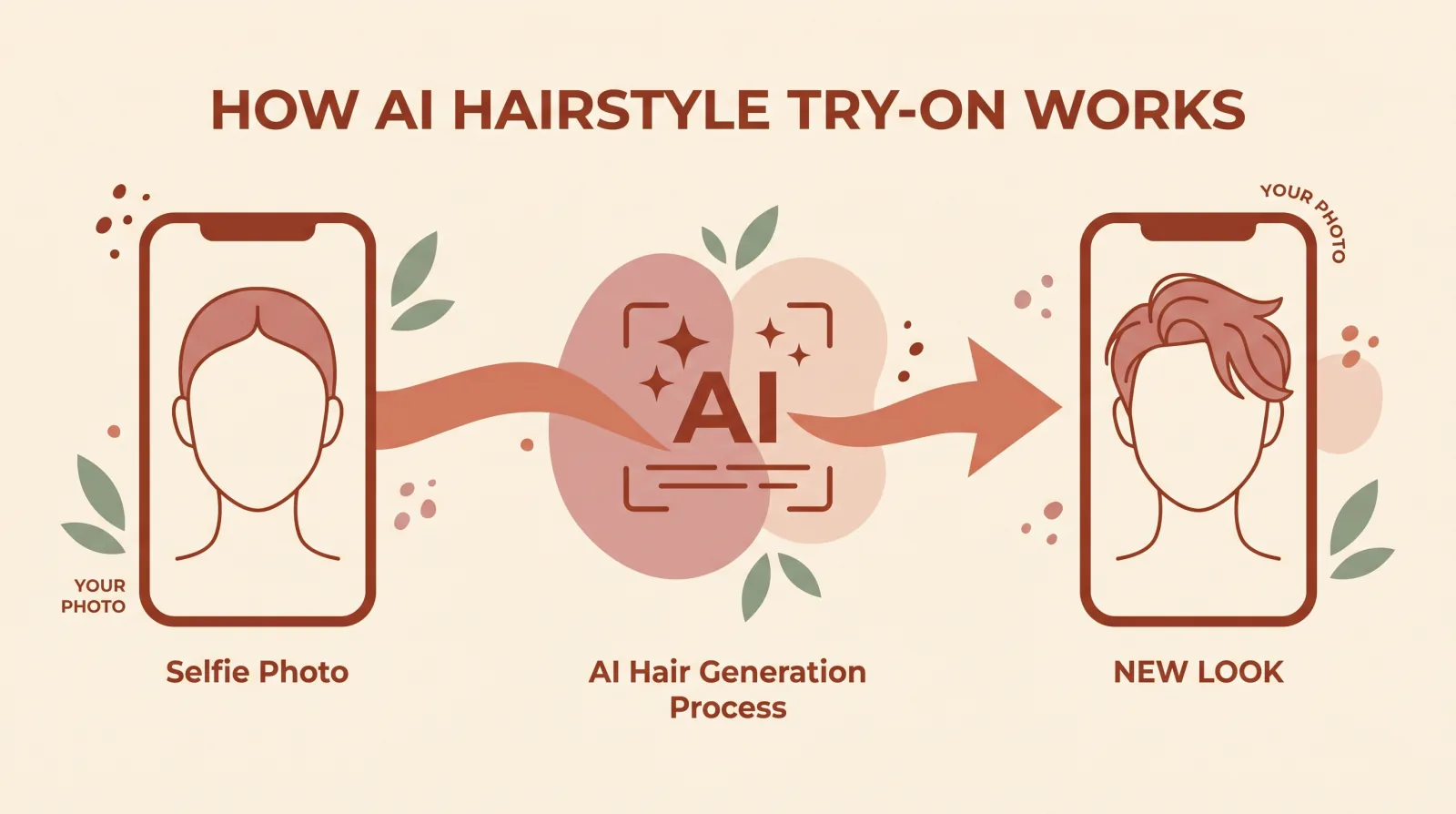
- Add a front-facing photo, type any hairstyle (like 'bleached buzz' or 'modern mullet'), and Kurli's AI restyles only the hair in your photo, keeping your face, skin tone, and background the same. You get a preview of the look on you in a few seconds.
- What hairstyles can I search?
- Anything you can describe: a specific cut (wolf cut, taper fade, curtain bangs), a colour (platinum blonde, copper), a length, or a combination like 'short bleached buzz'. The more specific you are, the closer the render.
- Is my photo stored?
- Yes. Your photo is sent to Google's Gemini API to render the style, and Kurli keeps a copy of it, and of the render, so results can be checked. It is never sold, never published, never shown to other users, and never used to train a model. Email hello@kurli.me and it is deleted.
- Is the result exactly what I'll get at the salon?
- It's an AI preview to help you picture a look, not a photograph or a guarantee. Results vary with your photo and lighting. Bring the render to your stylist as a reference and ask what's realistic for your hair.
- Does a try-on render cost anything?
- Uploading a photo is free, and so is the face read and the written recommendation. Rendering a style onto your own photo is the paid step, because it runs an image model. The first one is sold at an intro price, and packs are on the Credits page.
- Why does the try-on take a few seconds?
- The render is generated by an image model at the moment you search, not pulled from a preset library, so each result is built specifically for your photo and the exact style you typed.
- Can I try on a colour change without changing the cut?
- Yes. Type a colour on its own, like 'copper red' or 'platinum blonde', and Kurli renders that colour on your current hairstyle instead of also changing the shape.
- What makes a photo work well for the try-on?
- A clear, front-facing photo with even lighting and your hair visible gives the most accurate render. Turned or shadowed photos make it harder for the model to match your face and hairline.