Hairstyles by hair type
Hair porosity
How easily water gets in and out of your hair decides your frizz, your colour fade, and your products.
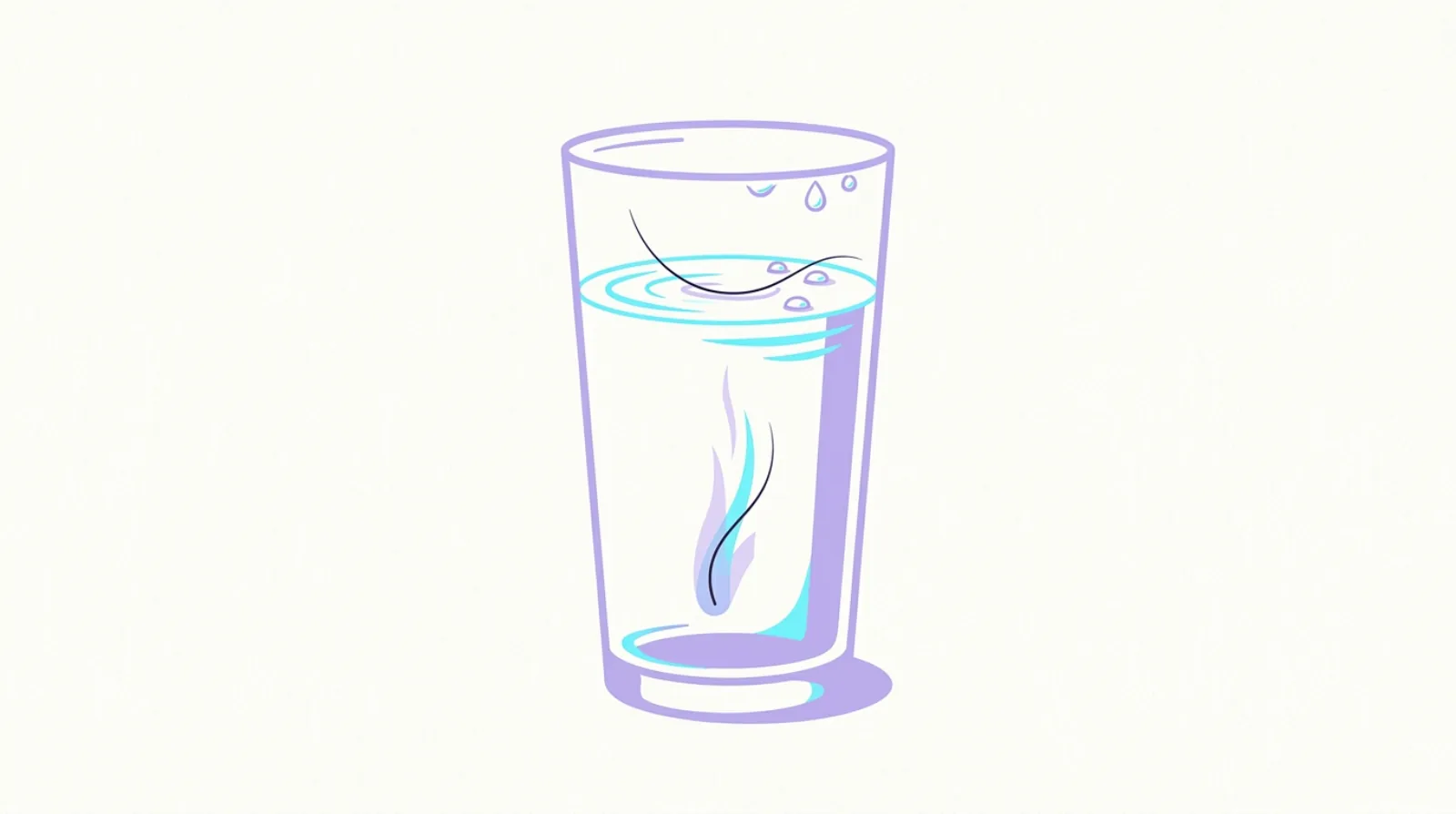
Hair porosity is how easily your hair lets water in and out. Every strand is wrapped in an outer layer called the cuticle, made of tiny overlapping scales like shingles on a roof. When the scales lie flat, water has a hard time getting in, and a hard time escaping once it is in. When the scales lift, water rushes in and rushes back out. That single difference explains a surprising amount: why one head frizzes the moment it rains, why colour fades fast on some hair, and why a product that transforms your friend's hair sits on yours like a coat of paint. This guide explains porosity without the myths, including why the famous float test is not the test to trust.
Find out whether this suits your face. One selfie, and the face-shape read and your top pick are free.
Kurli is an AI hairstyle advisor: upload one selfie and it reads your face shape, recommends the cuts that suit it, and renders any of them onto your own photo before you commit.
What porosity actually is
'Porous' means full of tiny openings. Applied to hair, porosity describes how open the cuticle layer is. The cuticle is the strand's outer armour: layers of flat, overlapping scales wrapped around the soft inner core that holds the hair's strength and its colour pigment.
On low porosity hair, the scales lie flat and tightly shut. Water, conditioner, and colour struggle to get inside, but whatever moisture is inside stays there. On high porosity hair the scales are lifted, chipped, or missing in places. Everything gets in easily, and everything leaves just as easily. Medium porosity sits in between, absorbing and holding moisture without much drama.
Your starting porosity is set by your genes, and everything that happens to your hair afterwards can raise it: bleach, colour, heat, sun, rough brushing, and the simple age of the strand, since your ends have been through years more wear than your roots. That is why one head of hair usually has more than one porosity, with the ends almost always more porous than the roots.
The float test and why it misleads
The internet's favourite porosity test goes like this: drop a clean strand into a glass of water. If it floats, your porosity is low. If it sinks, it is high. It sounds neat and scientific, and it is the least reliable test on this page.
Here is the problem. Whether a strand floats has as much to do with what is on it as what it is. Any trace of oil, conditioner, or styling product repels water and keeps the strand up, whatever its porosity. Water's surface tension can hold even a very porous hair on the surface for a long time. A strand also absorbs water slowly, so the result depends on how long you are willing to stare at a glass. Run it twice and you can get two different answers.
By all means try it for fun, but do not build a routine on it. If you have already done the float test and bought products based on the result, treat that conclusion as unproven and run the checks in the next section instead. They read your hair's actual behaviour, which is the thing you care about anyway.
The spray test and other checks that work
The better tests watch how your hair behaves with water in real life.
The spray test. Mist a section of clean, dry, product-free hair with water and watch closely. If the water beads up and sits on the surface, rolling off when you tilt your head, your porosity is low. If it soaks in almost instantly and the hair darkens right away, your porosity is high. If it sits briefly and then absorbs, you are in the middle.
The drying clock. Low porosity hair is slow to soak and slow to dry, and can stay damp for hours. High porosity hair wets instantly and dries fast.
The product pattern. On low porosity hair, products sit on top: your leave-in still feels slick on the surface an hour later, and build-up comes quickly. High porosity hair drinks products in and feels thirsty again the same day.
The slide test. Slide your fingers up a strand from end to root. Smooth means the scales lie flat. A rough, catchy feel points to lifted cuticles. No single check is perfect, but when two or three point the same way, trust them.
Low porosity: what it changes
Low porosity hair is usually healthy hair with a very shut door. The upside: once moisture is in, it stays, and this hair often looks glossy because flat cuticle scales reflect light well. The downside is getting anything in. Water takes ages to wet it through, conditioners can sit on the surface, and rich butters or heavy oils mostly coat the outside and cause build-up rather than softness.
What helps: light, water-based products, applied to soaking wet hair, in thin layers. Warmth is your friend, because gentle heat helps the scales relax, which is why a deep conditioner tends to work better under a warm shower cap or a warm towel. Clarify now and then, since build-up is the main enemy: a film of residue blocks the already-reluctant door completely. And be patient on wash day. Rushing water through low porosity hair is how you end up with hair that was never properly wet, never properly conditioned, and still takes half a day to dry.
High porosity: what it changes
High porosity hair has an open door it cannot close. It drinks water instantly, which sounds good, until the water leaves just as fast and takes softness with it. This is the hair that feels great for an hour after conditioning and rough again by evening.
The strategy is layering and sealing. Apply a leave-in conditioner to wet hair to load moisture in, then a cream, and finish with a few drops of oil so the water cannot escape as quickly. Richer products that would drown fine or low porosity hair are often exactly right here. Rinsing with cooler water helps the scales settle flatter. Gentle handling matters double, because lifted scales snag on each other, on towels, and on cotton pillowcases: a satin pillowcase and a soft microfibre towel prevent real damage.
High porosity also means high vulnerability. Heat and chemical treatments raise porosity further, so the more porous your hair already is, the more carefully it needs protecting from the very things that made it porous.
Porosity and frizz
Frizz is porosity in action. Humid air is full of water, and hair with lifted cuticle scales pulls that water in. As the strand absorbs it, it swells, the scales lift further, and the hair puffs away from its neighbours. That is the halo you see on damp days, and it is why high porosity hair frizzes first and worst.
Low porosity hair resists humidity better, since the shut cuticle blocks airborne moisture the same way it blocks your conditioner. When it frizzes, the cause is usually friction and static rather than the weather.
The anti-frizz playbook follows directly from this. Fill the hair with moisture before the weather can, then seal the surface with a leave-in and a light oil so damp air has nothing to grab. Well-moisturised hair of any porosity frizzes far less, because a strand that already has water does not reach for more. The full routine, including drying technique and the cuts that hide frizz, is in the frizzy and dry hair guide.
Porosity and colour fade
Porosity decides how colour goes in and how fast it comes back out. Dye needs to get past the cuticle to take hold, which is why permanent colour is designed to open the cuticle on purpose. On high porosity hair, dye grabs quickly and can even land darker or patchier than expected, because open areas absorb more pigment than closed ones. Then the same open door lets the pigment wash back out, which is why porous hair fades fastest, especially with reds and vivid shades.
On low porosity hair, colour takes longer to absorb and may process more slowly, but once it is in, it holds.
If you colour your hair, you are also raising its porosity with every session, and that is the loop that catches so many people: colour makes hair more porous, porous hair fades faster, and faster fading tempts you into colouring more often. Cooler washes, sulfate-free shampoo, and fewer washes all slow the fade. The colour-treated hair guide covers daily care, and colour care and fading goes deep on keeping a shade alive.
Porosity and damage
Raised porosity and damage are close cousins. Bleach, permanent colour, relaxers, and perms all work by forcing the cuticle open with chemicals, and each round leaves the scales sitting less flat than before. Heat tools drive water out of the strand and wear at the cuticle over time. Sun, chlorine, and rough handling, meaning hard brushing, terry towels, and tight elastics, chip away at the scales too.
Here is the honest part: a lifted or broken cuticle does not heal, because hair is not living tissue once it leaves the scalp. Products can smooth the surface and temporarily fill gaps, and they genuinely help the hair behave better, but the fix is managed, not permanent. The porosity your new growth has at the root is your natural baseline, and everything beyond that is wear.
So the plan has two halves. Protect what is growing in: heat protectant, lower temperatures, gentler chemistry, softer handling. And manage what is already porous with sealing products and regular trims that remove the most damaged length.
Porosity and your curl pattern
Porosity and curl pattern are separate readings, but they interact. The bends in wavy, curly, and coily strands make it harder for the cuticle scales to lie perfectly flat at every turn, and those bends are also mechanical weak points. So tighter patterns tend to run drier and more porous at the ends, and they show the consequences of porosity sooner. This is one reason coily hair care leans so heavily on layered moisture and sealing, and why the LOC method (liquid, oil, cream) exists at all: it is a porosity-management routine by another name.
Straight, low porosity hair sits at the other extreme, where the challenge is getting moisture in rather than keeping it. Most people land somewhere between, with porosity rising from root to end. Find your pattern on the hair type chart, read the guide for it, such as the curly hair guide, and then let your porosity reading fine-tune the product weight within that routine.
A simple porosity routine, and when to retest
You do not need a shelf of specialty products. You need your reading, and three adjustments.
Low porosity: light, water-based leave-ins on soaking wet hair, deep conditioning with gentle warmth, a clarifying wash about once a month to clear build-up, and no heavy butters.
Medium porosity: a standard routine works. Condition every wash, deep condition occasionally, seal the ends with something light, and protect the hair from heat so it stays medium.
High porosity: layer leave-in, cream, and a few drops of oil on wet hair, rinse cool, sleep on satin, trim regularly, and guard the hair from further heat and chemical wear.
Retest a few times a year, and after any big event: a bleach session, a summer of sun and pools, or months of daily hot tools. Porosity drifts upward with wear, and your ends are always further along than your roots, so it is normal to treat your lengths a little richer than your scalp area. And because porosity is about the strand while a haircut is about your face, finish with the face shape quiz to see which shapes suit you before your next cut.
Common questions
What is hair porosity?
Porosity is how easily your hair lets water and products in and out. It is set by the cuticle, the outer layer of overlapping scales on each strand. Flat, closed scales mean low porosity: moisture is hard to get in but stays in. Lifted or damaged scales mean high porosity: moisture rushes in and escapes just as fast.
How do I test my hair porosity?
Mist clean, dry, product-free hair with water and watch. Beads that sit on the surface point to low porosity, water that soaks in instantly points to high porosity, and a brief pause before absorbing is medium. Back the result up with how long your hair takes to dry and whether products soak in or sit on top.
Is the float test accurate?
Not really. Any oil or product residue keeps a strand floating no matter its porosity, water's surface tension holds even porous hair up for a while, and the result changes with how long you wait. The spray test, your hair's drying time, and how products behave on it are far more reliable readings.
What is low porosity hair?
Low porosity hair has a tightly closed cuticle, so water and products struggle to get in, but moisture that makes it in stays put. Signs: water beads on the surface, the hair takes ages to wet through and ages to dry, and products build up on top. It does best with light, water-based products and gentle warmth when deep conditioning.
What is high porosity hair?
High porosity hair has lifted or damaged cuticle scales, so it absorbs water instantly and loses it just as fast. Signs: it darkens the moment it gets wet, dries quickly, feels rough, tangles easily, and frizzes in humidity. It needs layered moisture sealed in with cream and oil, cool rinses, and protection from further heat and chemicals.
Can hair porosity change?
Yes, in one direction. Bleach, colour, heat, sun, and rough handling all lift or chip the cuticle, raising porosity over time. It does not lower again on the same strand, because hair cannot heal. Your natural porosity shows in new growth at the root, which is why ends are almost always more porous than roots.
Does high porosity mean my hair is damaged?
Often, but not always. Damage from bleach, heat, or chemicals is the most common cause of high porosity. Some hair is simply born more porous, though. Either way the care is the same: layer moisture in, seal it with cream and oil, trim the most worn ends, and protect the hair from further wear.
Why does my hair colour fade so fast?
Fast fading usually means porous hair. A lifted cuticle lets pigment wash out with every shampoo, and the colouring process itself raises porosity, so each session makes the next fade a little faster. Wash less often in cooler water, use a sulfate-free shampoo, and seal the hair after washing to slow the loss.
Does porosity cause frizz?
It is a big part of it. Frizz happens when hair pulls water out of humid air, and lifted cuticle scales are what let that water in. High porosity hair frizzes first and worst. Keeping the hair moisturised and sealing the surface with a leave-in and a light oil gives damp air nothing to grab.
What products suit low porosity hair?
Light and water-based wins: sprays, milks, and thin leave-ins applied to soaking wet hair. Heavy butters and thick oils mostly sit on top and build up. Deep condition with gentle warmth from a warm shower cap or towel, and clarify about once a month so residue does not block absorption.
What products suit high porosity hair?
Layered and sealing: a leave-in conditioner on wet hair, then a cream, then a few drops of oil to lock the moisture in. Richer formulas that would flatten fine or low porosity hair are often right here. Rinse with cooler water, sleep on satin, and keep up regular trims to remove the most porous ends.
Is porosity the same as dryness?
No, but they are linked. Dryness is a lack of water in the strand right now. Porosity is a trait: how easily water comes and goes. High porosity hair loses water quickly, so it is often dry, while low porosity hair can be dry simply because moisture never got in. The fix differs, which is why the reading matters.
Sources
Hair biology and hair-care facts on this page are supported by these sources. Styling recommendations are guidance.
- Hair Cosmetics: An Overview, International Journal of Trichology (PMC, NCBI)
- Essentials of Hair Care often Neglected: Hair Cleansing, International Journal of Trichology (PMC, NCBI)
- How to style hair without damage, American Academy of Dermatology
- Tips for healthy hair, American Academy of Dermatology
- Hair Follicle, Cleveland Clinic
See it on your own face
Kurli reads your face from a selfie, recommends styles that suit you, and renders each one onto your photo.
The face-shape read and your top pick are free. Your photo is never sold or used to train AI.