Bangs and fringe
Side-swept bangs: the soft, low-commitment fringe
One diagonal sweep across the forehead. Easy to wear, easy to hide, easy to grow out.
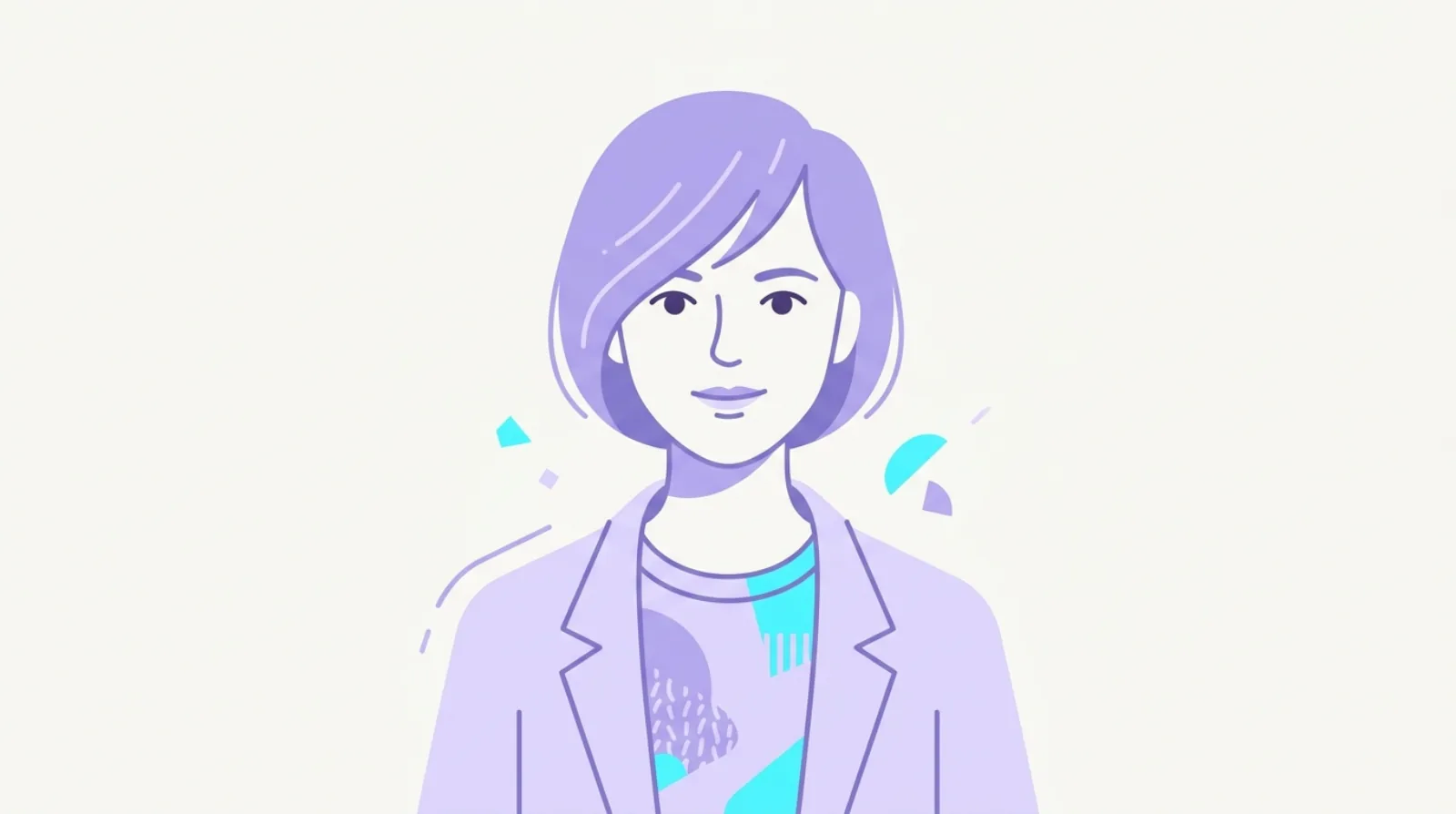
Side-swept bangs are a fringe cut to fall across the forehead on a diagonal, from a side part down toward the opposite temple. Where a blunt fringe draws a horizontal line and curtain bangs draw two symmetrical diagonals, the side sweep draws one long angled line, and that single line does a surprising amount of work. It softens, it lengthens, it covers a high hairline, and it asks very little in return. This is the fringe for people who want change without commitment: it styles in two minutes, tucks behind an ear when you are tired of it, and grows out with less drama than any fringe except a curtain. The full bangs and fringe guide compares it against every other style if you are still deciding.
Find out whether this suits your face. One selfie, and the face-shape read and your top pick are free.
Kurli is an AI hairstyle advisor: upload one selfie and it reads your face shape, recommends the cuts that suit it, and renders any of them onto your own photo before you commit.
What side-swept bangs are
A side-swept fringe starts at a side part and crosses the forehead diagonally, with the longest point landing near the outer corner of the opposite eye or at the temple. The hair is cut at an angle, shorter where it leaves the part and longer where it lands, so the sweep is built into the cut rather than forced by styling.
That built-in angle is the difference between a real side-swept fringe and long hair pushed to one side. Pushed-over hair fights gravity all day and falls back. A cut sweep lies along its own line.
The style covers one side of the forehead and part of the other, leaving a triangle of skin showing near the part. That partial coverage is the character of the cut: softer than a straight-across fringe, more casual, and far less strict about perfection, because there is no straight line to keep straight.
What the diagonal does for a face
Lines steer the eye. Horizontal lines widen, vertical lines lengthen, and diagonals do a bit of both while softening whatever they cross. The side sweep is one long diagonal placed on the most visible part of your face, which is why it flatters such a wide range of shapes.
On a round face, the diagonal breaks up the even, circular outline and adds the impression of length. It is one of the two fringe styles that reliably suit roundness, covered in depth in bangs for round faces.
On a heart face, the sweep covers part of a wide forehead, which is the exact area that shape wants to quiet down.
On a square face, the angle interrupts the straight lines of the jaw and brow.
On a high forehead, the sweep hides height on one side without the full commitment of a solid fringe. Our post on hairstyles for a high forehead pairs it with part placement.
For the complete map of which fringe suits which shape, the bangs by face shape overview is the page to read.
Which side should it sweep?
This sounds trivial and is not. Two things decide the side, and they outrank preference.
Your cowlick decides first. Most people's front hairline pushes hair naturally toward one side. Sweep with that push and the fringe styles itself. Sweep against it and you fight your own scalp every morning. Find the direction by combing damp hair straight back and watching which way the front falls.
Your natural part decides second. The sweep starts at a part, so it belongs on the side your hair already parts. Moving a lifetime side part to the other side for a fringe rarely sticks.
If your face or hairline is noticeably asymmetric, there is a styling bonus available: sweeping toward the lower brow or the wider side of the hairline balances the asymmetry. Mention it to your stylist, because it is easier for someone outside your mirror to see.
When cowlick and preference disagree, the cowlick wins. A fringe you never fight is a fringe you keep.
Length: from brow-grazing to cheekbone
Side-swept bangs run from short and defined to long and barely-there, and the length sets the commitment level.
Brow-grazing sweep. The shortest version crosses just above or through the brows. It reads clearly as a fringe, covers the most forehead, and needs a trim on roughly a monthly cycle to keep the line above your eyes.
Eye-corner length. The classic. The longest point lands near the outer corner of the eye. Enough presence to change the face, long enough to tuck behind an ear, and tolerant of six weeks between trims.
Cheekbone length. The softest version, halfway to a face-framing layer. It suits first-timers and anyone easing out of a shorter fringe, and it merges into curtain bangs territory if you later switch to a centre part.
Ask for the ends to be point cut rather than cut in a solid line. A softly broken edge is what makes a sweep look grown-in instead of pasted on.
Styling in two minutes
The daily routine is the shortest of any fringe, which is a real argument for the style.
On wash days, dry the fringe first, before the rest of your hair and before it picks its own direction. Point the dryer down and pull the fringe across your forehead in the sweep direction with your fingers or a flat brush. Ten seconds of cool air at the end sets the line.
Between washes, most mornings need nothing. If the fringe has flattened or split, dampen it slightly, sweep it back into place, and dry for twenty seconds. Done.
Product rules are the same as every fringe: almost none. A pea-sized amount of light cream smooths the sweep. Dry shampoo at the roots handles the oil the fringe picks up from your forehead, a problem every fringe shares because the hair sits against skin all day.
One habit to avoid: constantly re-sweeping it with your hand. Hands deposit oil, and by afternoon a much-touched fringe looks greasy. Sweep it once and leave it.
Hair types: who gets it easy
Straight hair takes the sweep well but holds it loosely, since straight strands like to fall vertically. The blow-dry set matters most here, and a light flexible hairspray earns its place on humid days.
Wavy hair is the ideal match. A soft wave sits naturally along a diagonal, so the cut and the texture agree with each other. Many wavy-haired people can air-dry this fringe entirely.
Thick hair needs the fringe section kept modest. Too much hair swept to one side reads heavy and tips over the eye. A good stylist thins the interior of the section, not the ends, to lighten it.
Fine hair should go the other way and keep the section generous, so the sweep has enough body to hold a visible line. Compare the fuller-fringe logic in the wispy bangs guide, which is the other fine-hair-friendly option.
Curly hair can wear a swept fringe cut dry and long, though the result is a soft curved curtain of curl rather than a flat diagonal. The curly bangs guide covers it properly.
The easiest fringe to escape
Every fringe guide on this site repeats one warning: cutting takes a minute, growing out takes months. Side-swept bangs are the style that softens that warning the most, and it is a fair reason to choose them.
The escape routes are built in. On a day you want no fringe, the sweep tucks behind an ear or pins flat under the top layer of hair, invisibly, because it already lies diagonally. A blunt fringe can do neither.
As it grows, the sweep gets longer along the same diagonal, passing through cheekbone length into an ordinary face-framing layer. There is no stage where hair hangs straight into your eyes, which is the stage that breaks people growing out a straight-across fringe.
If you decide mid-grow-out that you miss having a fringe, the overgrown sweep converts to curtain bangs with one reshaping trim, no new length required.
The full timeline, including the pinning tricks for the few genuinely annoying weeks, is in growing out bangs.
Keeping it trimmed
Upkeep sits at the low end of the fringe scale. The diagonal line hides growth well, because there is no horizontal edge for your eye to measure against. Most wearers are comfortable at five to six weeks between trims, versus three to four for a blunt fringe.
When it does need attention, the trigger is usually function rather than looks: the longest point starts poking the outer corner of your eye, or the short side loses its angle and sits flat.
Home maintenance is possible but harder than it looks, because the trim has to preserve an angle rather than a straight line, and over-cutting the short end flattens the whole sweep. If you do it yourself, take almost nothing off, cut into the ends at an angle rather than straight across, and stop early. The technique, the right scissors, and the honest list of when to leave it to a stylist are all in trimming bangs at home.
Many salons will trim a fringe between appointments for little or nothing. For a style this tolerant, that service alone can cover your entire upkeep.
Preview the sweep on your own photo
The case for trying before cutting is weaker here than for a blunt fringe, because the exit is so easy. It is still worth two minutes, for one specific reason: the side.
A sweep going left and a sweep going right look meaningfully different on the same face, especially if your hairline, brows, or smile are asymmetric, and almost everyone's are. Kurli renders the fringe onto your own selfie, so you can compare both directions against your real features instead of guessing in a mirror, which shows you everything reversed anyway.
While you are there, put the side sweep next to its neighbours: curtain bangs if you want symmetry, or a straight-across fringe if you want full coverage. Seeing all three on your own face turns a vague preference into an actual decision.
And if the rendered version tells you a fringe is not your thing at all, the wider bangs and fringe guide has framing alternatives that stop short of a fringe entirely.
Common questions
What are side-swept bangs?
A fringe cut at an angle to fall diagonally across the forehead from a side part, with the longest point landing near the outer corner of the opposite eye or the temple. The angle is cut into the hair, so the sweep holds on its own instead of being pushed over and falling back.
Who do side-swept bangs suit?
A wide range: round faces, which the diagonal lengthens; heart faces, where the sweep quiets a wide forehead; square faces, where the angle softens straight jaw and brow lines; and anyone with a high forehead who wants partial coverage without a full fringe.
Are side-swept bangs low maintenance?
Yes, the lowest of the true fringe styles. Styling takes about two minutes on wash days and often nothing between washes. Trims stretch to five or six weeks because the diagonal hides growth, and on off days the fringe tucks behind an ear or pins away invisibly.
Which side should my bangs sweep to?
Follow your cowlick and your natural part. Comb damp hair straight back and watch which way the front falls; sweep that way and the fringe styles itself. Sweeping against your growth pattern means fighting your scalp every morning, and that fight is why many people abandon the style.
How long should side-swept bangs be?
For a first fringe, have the longest point land near the outer corner of your eye. It changes the face clearly but tucks away easily and tolerates six weeks between trims. Brow-grazing versions are bolder and need monthly trims; cheekbone-length versions are barely a fringe and suit the cautious.
Are side-swept bangs easy to grow out?
The second easiest after curtain bangs. The sweep lengthens along its own diagonal into a face-framing layer, with no stage of hair hanging straight into your eyes. One reshaping trim can also convert an overgrown sweep into curtain bangs if you switch to a centre part.
Do side-swept bangs work on straight hair?
Yes, but the blow-dry set matters, because straight strands prefer to fall vertically. Dry the fringe first, pull it across in the sweep direction, and finish with cool air. A light flexible spray helps the line survive humidity. Wavy hair holds the diagonal with less effort.
Can thick hair have a side-swept fringe?
Yes, with a modest fringe section. Too much thick hair swept one way looks heavy and falls over the eye. Ask the stylist to keep the section small and remove interior weight rather than thinning the visible ends, which keeps the sweep light without making it ragged.
Do side-swept bangs hide a high forehead?
They hide one side of it, which is often enough. The diagonal covers height where it crosses and leaves a triangle of skin near the part, so the effect is softer and more natural than a solid fringe. For maximum coverage a straight-across fringe still hides more.
How do I stop my side bangs falling in my face?
Three fixes, in order: check the sweep matches your cowlick direction, since a fringe cut against its growth falls constantly; have the angle recut if the short end has grown out flat; and set the sweep with a blow-dry and cool air instead of relying on product to hold misdirected hair.
Can I trim side-swept bangs myself?
Carefully, and less is more. The trim must preserve the diagonal, so cut into the ends at an angle on dry, styled hair and remove almost nothing. Over-cutting the short end flattens the sweep. If the angle itself has grown out, that is a stylist job, and many salons trim fringes between cuts for little or nothing.
Sources
Hair biology and hair-care facts on this page are supported by these sources. Styling recommendations are guidance.
- Everyday hair care, American Academy of Dermatology
- Tips for healthy hair, American Academy of Dermatology
- How to style hair without damage, American Academy of Dermatology
- Hair Problems, MedlinePlus, U.S. National Library of Medicine
- Are your hair care products causing breakouts?, American Academy of Dermatology
See it on your own face
Kurli reads your face from a selfie, recommends styles that suit you, and renders each one onto your photo.
The face-shape read and your top pick are free. Your photo is never sold or used to train AI.