Women's hairstyle guide
Curtain bangs
Soft bangs that part in the middle and sweep back to frame your face like a set of open curtains.
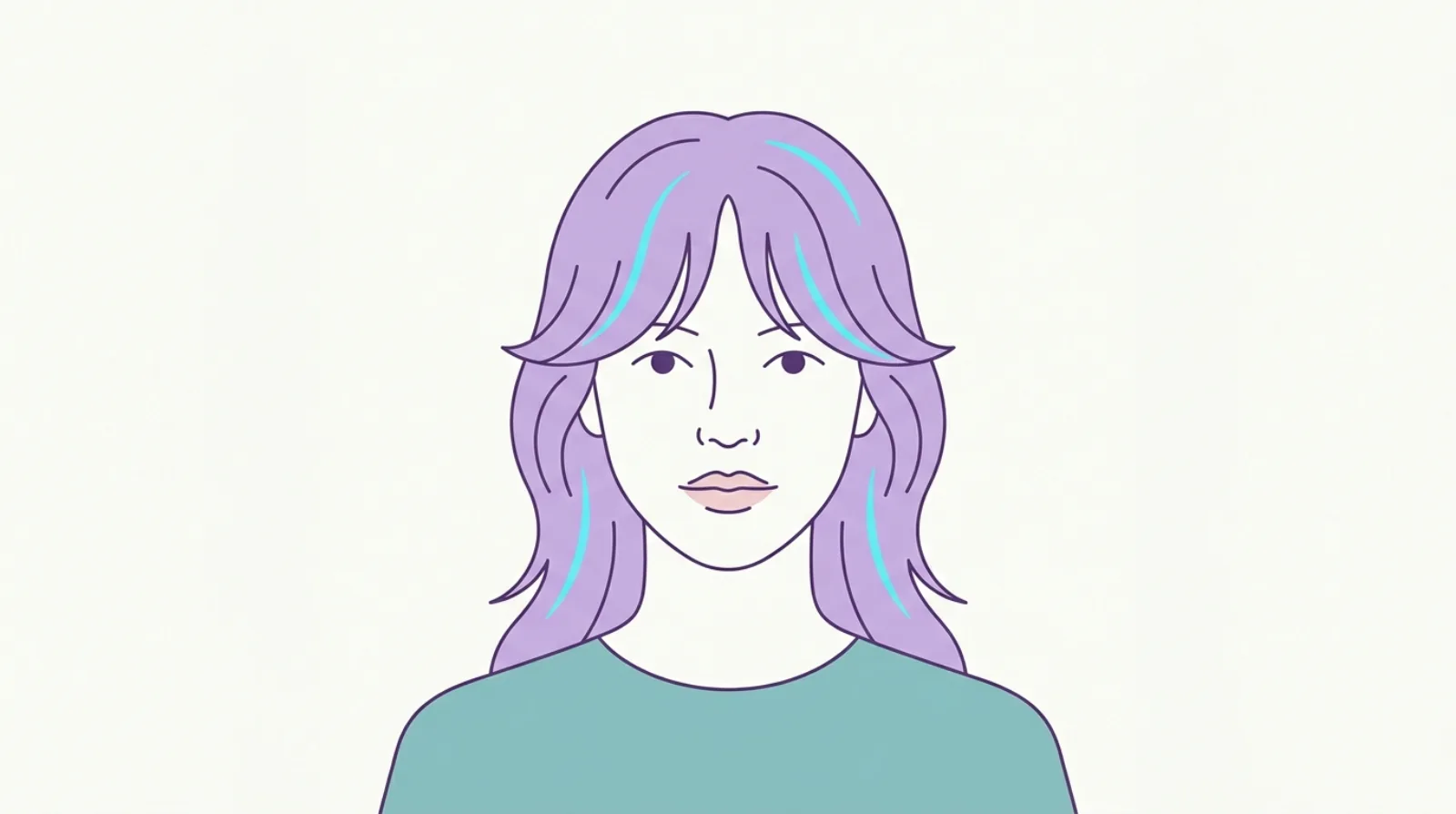
Curtain bangs are the easy, grown-up fringe. They part in the middle and sweep out to each side, so they frame your face instead of covering it. They are shorter near the centre and longer at the edges, which is what gives them that soft, open shape. This guide covers the main lengths, who they suit, how to style them, and how to keep them looking good.
Find out whether this suits your face. One selfie, and the face-shape read and your top pick are free.
Kurli is an AI hairstyle advisor: upload one selfie and it reads your face shape, recommends the cuts that suit it, and renders any of them onto your own photo before you commit.
What curtain bangs actually are
Curtain bangs are a soft fringe that splits down the middle and falls away to both sides of your face. The name says it well. They hang like a pair of open curtains, framing your eyes and cheeks in the gap between them. The pieces near the centre are shorter, and they get longer as they move out toward your ears, so the whole thing curves gently around your face.
The key idea is soft and open. Unlike a blunt, straight-across fringe that sits flat on your forehead, curtain bangs leave a gap in the middle and blend into the rest of your hair at the sides. That makes them one of the most forgiving fringe styles you can get. They grow out cleanly, they suit a wide range of faces, and they add a frame without hiding your features.
Curtain bangs are really a family of looks, not one fixed cut. The length you pick and how much you sweep them changes the feel a lot. They can be short and flirty or long and barely-there. The next sections walk through the main versions so you can name the one you want. If you are just starting to compare fringe styles, the bangs and fringe guide shows how curtain bangs sit next to the other options.
The main lengths and variations
Curtain bangs come in a range of lengths, and the length is the biggest choice you will make.
Short curtain bangs. These hit around your eyebrows or just above. They are bold and eye-catching, and they make the most of the middle part. Because they are shorter, they show growth faster and need trimming more often.
Cheekbone-length curtain bangs. This is the classic, most-loved version. The shortest pieces sit near the top of your cheek, and the longer edges blend into the hair by your jaw. It frames the face beautifully and works on almost everyone.
Long, blended curtain bangs. These start around your jaw or chin and melt straight into your face-framing layers. They are the softest, lowest-commitment version. From a distance they can look like long layers rather than bangs.
Wispy curtain bangs. Here the ends are cut thin and feathery instead of solid. Wispy bangs feel light and airy, and they suit fine hair well because they do not need much density to look right.
Curtain bangs with a bottleneck. This version is snipped a little closer at the sides near the cheek, then flares out below, so it hugs the face in a soft hourglass shape. It gives more of a frame than a plain sweep.
If you want to see how these lengths compare to a full head of layers, the long layers guide is a good companion read.
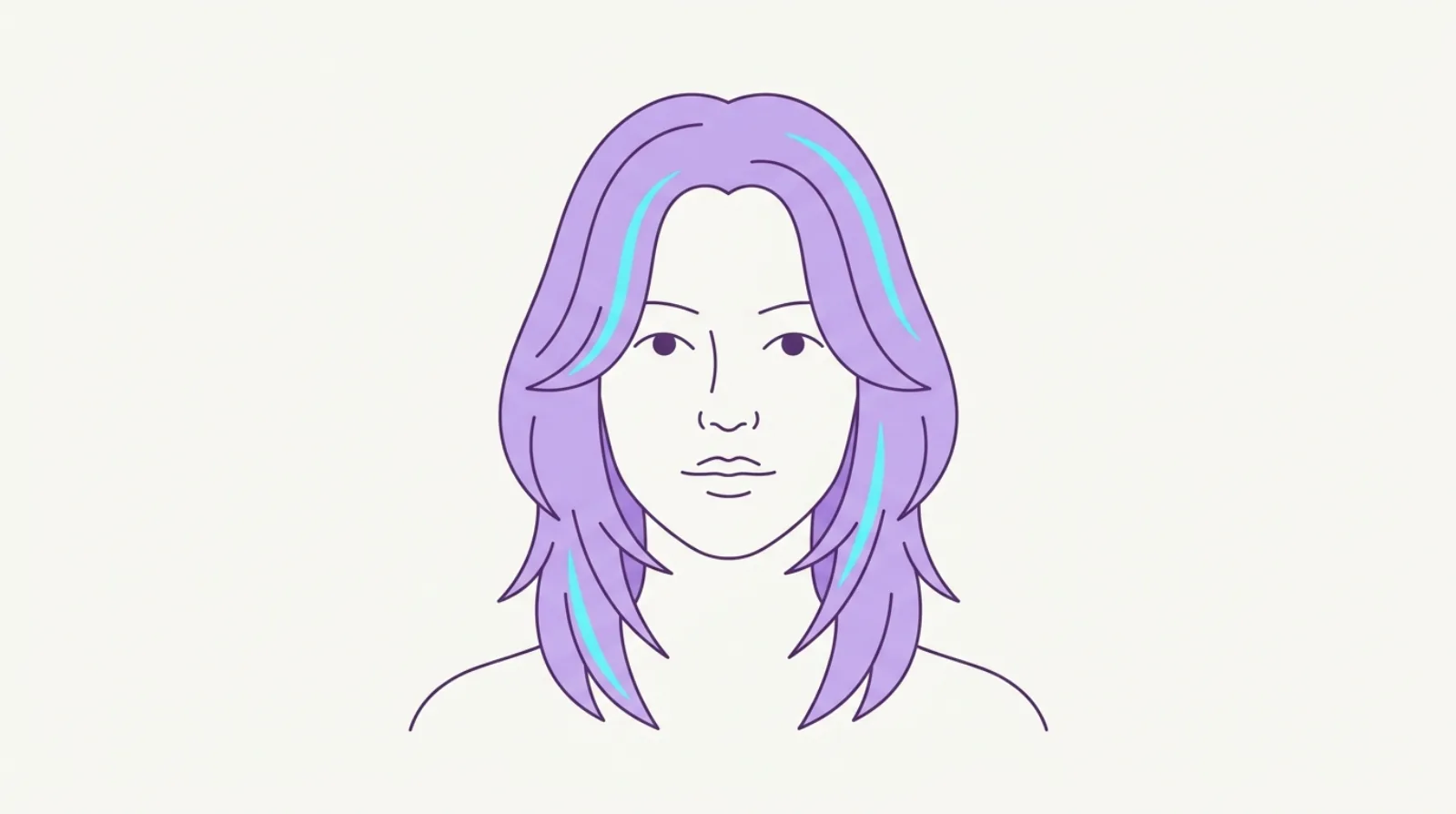 More in women's hairstylesFace-framing layers
Which face shapes curtain bangs suit
One of the best things about curtain bangs is how many face shapes they flatter. The middle part and the soft side sweep add angles and length, which works in your favour more often than not.
Round faces are a great match. Curtain bangs fall on a slant instead of a flat line, so they add length rather than width. The gap in the middle draws the eye up and down, which makes a round face look a little longer and less wide. This is why curtain bangs show up again and again in advice for round faces.
Square faces do well too. The soft, curved sweep breaks up the strong straight corners of a square jaw. It adds a rounder line to a face that has plenty of angles already.
Heart-shaped faces love curtain bangs. A heart face is wider at the forehead and narrows to the chin. Curtain bangs cover a little of that wider top and balance it out, while the side sweep softens the point of the chin.
Long or oblong faces benefit as well. Bangs cut some of the length off the forehead, which makes a long face look shorter and more balanced. Keep them a touch fuller so they do the job.
Oval faces can wear almost anything, and curtain bangs are no exception. They open up the face and follow the natural line of the cheekbones. Not sure which shape you have? Take the face shape quiz, then browse hairstyles by face shape to see how curtain bangs fit your shape.
Not sure which face shape is yours? Kurli reads it from one selfie and shows the cuts that suit it.
Curtain bangs for different hair types and textures
Curtain bangs play well with most hair types, but each texture needs a slightly different plan.
Fine hair. Fine hair suits wispy, lighter curtain bangs. You do not need much density to make them look right, and a feathery edge stops them from looking thin or stringy. A little light mousse at the roots helps them hold a soft bend. Avoid heavy product, which drags fine bangs flat.
Thick hair. Thick hair makes full, lush curtain bangs, but there is a catch. Too much density can look heavy and hard to move. A good stylist will thin them out a little so they sweep instead of sitting in a solid block. Thick hair also holds a blow-dried shape well, which is a real plus.
Straight hair. Straight hair is the easy case. It falls into the curtain shape naturally and shows off the clean centre part. A quick round-brush blow-dry is usually all it takes.
Wavy hair. Waves add lovely movement to curtain bangs and give them a lived-in, effortless feel. You may need to smooth the very front pieces a little so they read as bangs and not just loose waves.
Curly and coily hair. Curly curtain bangs are absolutely a thing, and they look great, but they behave differently. Curls shrink up as they dry, so the bangs need to be cut longer to allow for the bounce. They frame the face with soft spirals rather than a smooth sweep. Curly hair also tends to be drier, so a curl cream keeps the bangs defined and stops frizz. For more on matching a cut to your texture, see the hairstyles by hair type guide.
Should you cut them, or grow into them?
You have two ways to get curtain bangs, and the right one depends on your starting point.
Cutting them fresh is the fast route. If you have never had bangs, or your fringe is a different style, a stylist can cut curtain bangs into your existing hair in one visit. This gives you the full, defined look right away. It is the best choice if you want the style now and you are sure about it.
Growing into them is the slow, gentle route. If you already have shorter bangs or a fringe you are tired of, you can simply let them grow and shape them into curtain bangs over time. As the hair reaches your cheekbones, a stylist parts it in the middle and blends the ends, and you land on curtain bangs without a dramatic cut. This is also the natural end point of growing out any fringe, which is part of why curtain bangs are so popular. They are the easiest bangs to arrive at and the easiest to leave.
A smart middle path is to ask for a longer, blended version first. If you are nervous about commitment, start at cheekbone or jaw length. You get the frame without much risk, and you can always go shorter at your next trim. Cutting more off is easy. Waiting for length to grow back is the slow part, so it is wise to start long.
How to style curtain bangs step by step
The classic curtain-bang blow-dry is quick once you learn it. Here is the simple version.
Step 1: Start with damp hair. Curtain bangs are much easier to shape when they are wet or damp, not soaking and not bone dry. Towel-dry your fringe so it is just damp. Trying to style dry bangs into place rarely works and can crease them.
Step 2: Split them down the middle. Part the bangs in the centre so you have a piece falling to each side. This split is the heart of the style, so get it even.
Step 3: Use a round brush and a blow-dryer. Take a round brush and roll one side of the bangs onto it, pulling it up and away from your face. Aim the dryer down the hair, following the brush. Roll the brush back and out so the ends curve away from your face, not toward it. Repeat on the other side. This backward sweep is what gives curtain bangs their open, framing shape.
Step 4: Set the bend. For a longer hold, wrap each side around the round brush, hit it with the dryer for a few seconds, then let it cool while still wrapped. Cool air locks the shape in. A quick blast of the cool button on your dryer helps.
Step 5: Finish light. Brush the bangs out with your fingers so they look soft, not stiff. A tiny bit of light spray or a drop of oil on the ends keeps flyaways down. Do not overload them, or they go flat. If your bangs fall flat by the afternoon, a quick touch-up with a round brush or a large curling iron brings the sweep right back.
Products and tools that help
You do not need much for curtain bangs, but a few things make the daily styling far easier.
A round brush. This is the one tool that matters most. A medium round brush, paired with your blow-dryer, creates the signature sweep. Metal or ceramic barrels hold heat and set the bend faster than plastic.
A blow-dryer with a nozzle. The nozzle focuses the air so you can aim it down the hair shaft. That keeps the bangs smooth and stops them from puffing up.
A light styling product. A small amount of light mousse or a root-lift spray on damp bangs adds hold without weight. Skip heavy waxes and thick creams on your fringe, because they drag it down and make it look greasy.
A texture or dry shampoo spray. Bangs sit against your forehead, so they pick up oil faster than the rest of your hair. A dry shampoo at the roots soaks up that oil between washes and brings back the lift.
A heat protectant. Any time you use a dryer or iron on your bangs, spray a protectant first. Heat is the main cause of styling damage, and the front pieces of your hair take the most heat over time. According to the American Academy of Dermatology, protecting hair from heat and handling it gently helps prevent breakage. A large curling iron or a flat iron can also shape the sweep if you prefer them to a brush.
Upkeep and how often to trim
Curtain bangs are lower-maintenance than a blunt fringe, but they still grow, and they still need trimming to keep their shape.
Most people trim curtain bangs every 4 to 8 weeks. Shorter, eyebrow-length bangs grow into your eyeline quickly and need the shorter end of that range. Longer, blended bangs can stretch to eight weeks or more, because they melt into your layers as they grow, so growth looks intentional rather than messy. This is one of the big perks of curtain bangs. They grow out gracefully.
Many salons offer free or cheap fringe trims between your full haircuts. It is worth asking, because a two-minute trim keeps the shape sharp without a full appointment.
You can trim them at home, but go slowly and carefully. Trim on dry hair, not wet, because wet hair looks longer and you can easily cut too much. Point the scissors up into the ends and snip small amounts, rather than cutting straight across, which keeps the soft, wispy edge. Cut a little, check, then cut a little more. It is always safer to leave them slightly long. Day to day, do not over-wash. Washing your fringe on its own at the sink between full washes keeps it fresh without drying out the rest of your hair.
How to grow curtain bangs out cleanly
The day comes when you want your bangs gone, and curtain bangs make this the easy part. They are, in a way, already halfway grown out by design.
The trick to growing them out cleanly is to keep blending, not to leave them alone. As your bangs get longer, ask your stylist to blend the ends into your face-framing layers at each trim. That way the bangs never sit at an awkward, obvious length. They just get longer and longer until they are simply the shortest layers around your face.
While you wait for the length, styling tricks bridge the gap. Sweep the bangs to one side and pin them back with a small clip or a bobby pin. A headband or a scarf holds them off your face on the days they are too long to sweep but too short to tuck. You can also tuck them behind your ears once they reach your jaw.
Growing out any fringe is slow, so patience helps. Hair grows about a centimetre a month on average, so plan for a few months. The good news is that curtain bangs look fine at almost every stage of growing out, which is more than most fringes can say. For more on managing length as it changes, the haircuts by length guide is a helpful map.
Common mistakes to avoid
Curtain bangs are forgiving, but a few habits still trip people up.
Cutting them too short the first time. The most common regret is going too short too soon. Short bangs are harder to sweep and take months to grow back. Start at cheekbone length or longer, and go shorter later if you want.
Drying them the wrong way. If you blow-dry the bangs curving toward your face instead of away from it, they lose the open, framing shape and can look like a rounded, dated fringe. Always roll the brush back and out.
Cutting wet at home. Wet hair stretches longer than dry hair. If you trim your bangs wet, they spring up shorter than you planned once they dry. Trim dry, and snip small.
Skipping the styling. Curtain bangs need a minute of shaping to look their best. Left to air-dry with no round brush, they can fall flat or split oddly. A quick blow-dry makes all the difference.
Ignoring your growth pattern. If you have a strong cowlick or a widow's peak at your hairline, tell your stylist. Bangs sit right over that area, and the cut needs to account for the way your hair naturally falls, or the split will never sit where you want it.
Pros and cons at a glance
The pros. Curtain bangs frame your face and highlight your eyes and cheekbones without hiding them. They suit almost every face shape, which is rare for a fringe. They are lower-maintenance than a blunt fringe, they grow out cleanly with no awkward stage, and they work on fine, thick, straight, wavy, and curly hair. They are also a low-risk way to try bangs, because the long, blended version barely commits you to anything.
The cons. They still need styling. A quick round-brush blow-dry keeps them in shape, and skipping it can leave them flat. They pick up oil from your forehead, so they may need a wash or a dry-shampoo refresh more often than the rest of your hair. And they need trimming every four to eight weeks to hold their length and shape.
Weigh those against each other honestly. For most people who want a soft frame around the face and do not mind a couple of minutes of styling, the pros win easily. If you are still unsure, remember you can try a style on your own photo first with Kurli before you commit to the cut.
Common questions
What are curtain bangs?
Curtain bangs are a soft fringe that parts down the middle and sweeps out to both sides, framing your face like a pair of open curtains. They are shorter near the centre and longer toward the edges, where they blend into the rest of your hair. That shape makes them one of the most forgiving and flattering fringe styles.
What face shapes do curtain bangs suit?
Curtain bangs suit most face shapes, which is part of why they are so popular. They are especially good for round faces because they add length instead of width, for square faces because the soft sweep breaks up strong corners, and for heart and long faces because they balance a wider forehead. Oval faces can wear them easily too.
Are curtain bangs high-maintenance?
They are lower-maintenance than a blunt, straight-across fringe. You will need a quick round-brush blow-dry to keep the sweep, and a trim every four to eight weeks to hold the shape. The big perk is that they grow out cleanly, so they never hit an awkward, obvious length.
How do I style curtain bangs?
Start with damp bangs and part them down the middle. Roll each side onto a round brush and blow-dry, pulling the hair up and away from your face so the ends curve back. Let each side cool while wrapped to set the bend, then brush it out soft with your fingers and finish with a light spray.
Do curtain bangs work on curly hair?
Yes. Curly curtain bangs frame the face with soft spirals instead of a smooth sweep, and they look great. The key is to cut them longer than you think, because curls shrink up as they dry. A curl cream keeps them defined and cuts down on frizz.
Should I cut curtain bangs or grow into them?
Both work. Cutting them fresh gives you the full look right away and is best if you are sure. Growing into them is gentler, and it is the natural end point of growing out any fringe. If you are nervous, start with a longer, blended version and go shorter later, since cutting more off is easy but waiting for growth is slow.
How often should I trim curtain bangs?
Most people trim every four to eight weeks. Shorter, eyebrow-length bangs grow into your eyeline fast and need trimming sooner. Longer, blended bangs can stretch further because they melt into your layers as they grow. Many salons offer a quick free fringe trim between full haircuts, so it is worth asking.
Can I trim curtain bangs at home?
Yes, but go slowly and trim on dry hair, not wet, because wet hair looks longer and you can cut too much. Point the scissors up into the ends and snip small amounts to keep the soft, wispy edge. Cut a little, check, then cut a little more. It is always safer to leave them slightly long.
Why do my curtain bangs fall flat?
Bangs sit against your forehead and pick up oil, which weighs them down through the day. A dry shampoo at the roots soaks up the oil and brings back the lift. If they lose their shape, a quick pass with a round brush or a large curling iron rebuilds the sweep in seconds. Avoid heavy products, which drag them flat.
Do curtain bangs suit fine hair?
Yes, especially the wispy version. Fine hair does not need much density to make curtain bangs look right, and a feathery cut edge stops them from looking thin. A little light mousse at the roots adds hold without weight. Keep heavy product off them so they stay soft and lifted.
How long does it take to grow out curtain bangs?
Hair grows about a centimetre a month on average, so plan for several months to grow them fully into your length. The good news is that curtain bangs look fine at almost every stage. Keep blending the ends into your face-framing layers at each trim, and use clips or a headband on the awkward in-between days.
What is the difference between curtain bangs and a full fringe?
A full fringe sits flat across your forehead in one solid piece and covers it. Curtain bangs part in the middle, leave a gap, and sweep out to the sides, so they frame your face instead of hiding it. Curtain bangs are softer, suit more face shapes, and grow out far more cleanly than a blunt full fringe.
Sources
Hair biology and hair-care facts on this page are supported by these sources. Styling recommendations are guidance.
- Tips for healthy hair, American Academy of Dermatology
- Everyday hair care, American Academy of Dermatology
- How to style hair without damage, American Academy of Dermatology
- Physiology, Hair, StatPearls, NCBI Bookshelf
- Hair Problems, MedlinePlus, U.S. National Library of Medicine
See it on your own face
Kurli reads your face from a selfie, recommends styles that suit you, and renders each one onto your photo.
The face-shape read and your top pick are free. Your photo is never sold or used to train AI.