Women's hairstyle guide
Face-framing layers
Soft pieces cut around the front that shape and flatter your face.
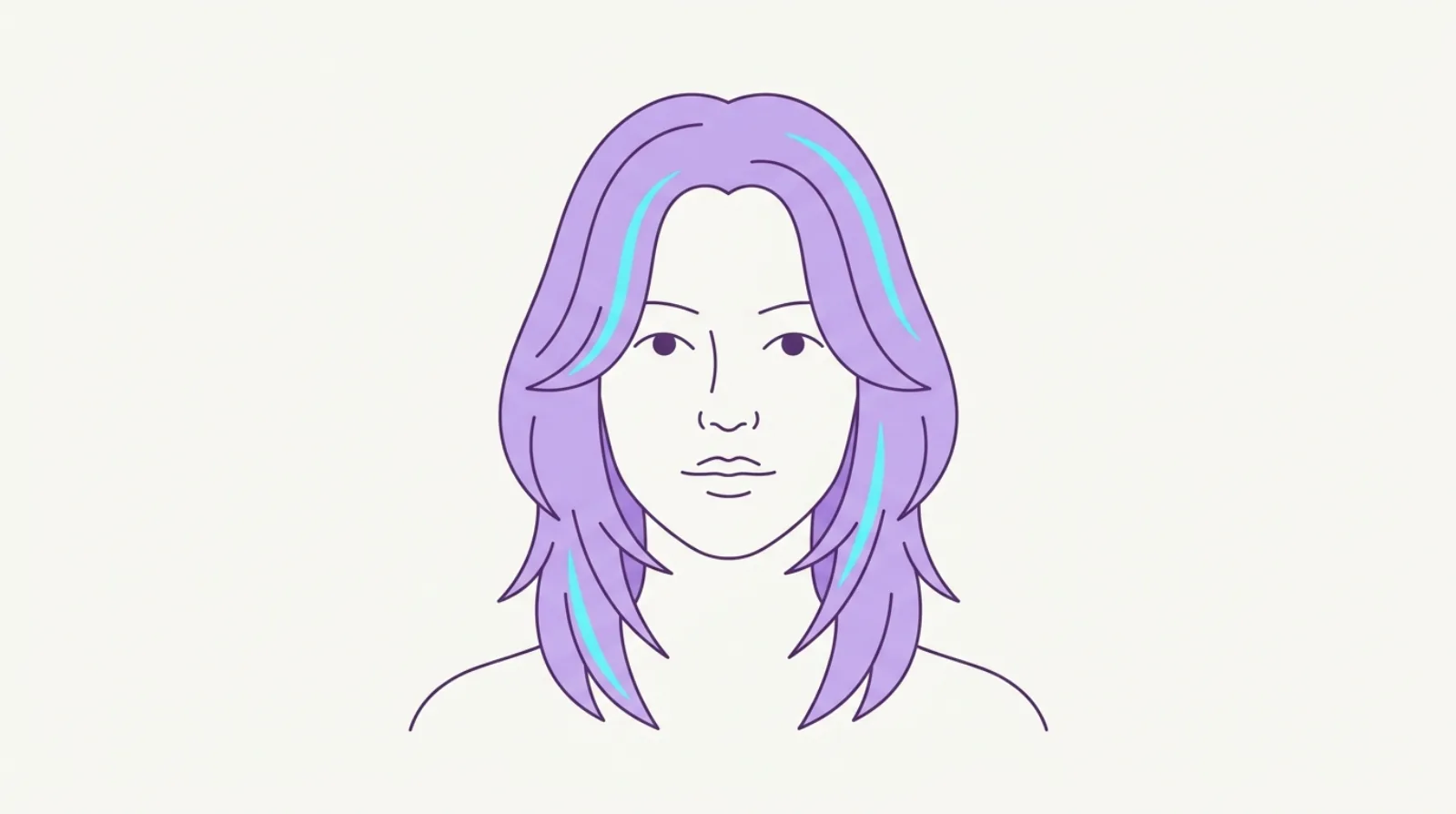
Face-framing layers are shorter pieces cut around the front of your hair, on purpose, to shape your face. They start somewhere near your cheekbones or jaw and angle down through your lengths. The idea is simple. A few well-placed pieces at the front soften your features, draw the eye where you want it, and make almost any haircut look more finished. This guide explains what they are, how they differ from bangs and a full layered cut, which face shapes they flatter, and how to style them at home.
Find out whether this suits your face. One selfie, and the face-shape read and your top pick are free.
Kurli is an AI hairstyle advisor: upload one selfie and it reads your face shape, recommends the cuts that suit it, and renders any of them onto your own photo before you commit.
What face-framing layers actually are
Face-framing layers are shorter sections of hair cut around the front of your head, close to your face. They are angled so the shortest piece sits high, near your cheekbone or jaw, and then gets longer as it blends into the rest of your hair. Picture two soft curtains of shape, one on each side, that trace the edges of your face.
The point of them is right there in the name. They frame your face. A picture frame draws your eye to the picture inside it. Face-framing layers do the same job for your features. They guide the eye to your eyes, your cheekbones, and your smile, and they soften any hard lines around the edges.
Here is the key thing to understand. Face-framing layers are not a whole new haircut. They are an add-on. You can keep your length exactly as it is and just add framing pieces at the front. That makes them one of the lowest-risk changes you can make. You are not chopping off inches or committing to a big style. You are shaping the front to suit your face.
Because they are so gentle a change, they suit people who want a fresh look without a dramatic cut. If you like your length but feel your hair sits flat or heavy around your face, framing is often the fix. To see how they sit next to other options, browse the women's hairstyles hub, or take the quick face shape quiz first so you know what your face wants.
How they differ from curtain bangs
People mix up face-framing layers and curtain bangs all the time, because they live in the same area and both soften the front. They are not the same thing, though, and knowing the difference helps you ask for the right one.
Curtain bangs are a fringe. They start much higher up, near the middle or front of your crown, and they fall over your forehead. The shortest part sits around your eyebrows or cheekbones, and the pieces sweep back like open curtains. Because they begin so high and cross your forehead, curtain bangs change how much of your face you show. They are a bigger commitment, and growing them out takes patience.
Face-framing layers start lower and skip the forehead. The shortest piece usually begins at your cheekbone or jaw, not up on your crown, and it does not cover your forehead at all. It runs down the side of your face instead of across the front. So framing shapes the edges of your face without adding a fringe.
Think of it this way. Curtain bangs sit in front of your face. Face-framing layers sit beside it. You can have one, the other, or both together, and many people do pair a short curtain fringe with longer framing beneath it for a soft, blended front. If a fringe is what you really want, the bangs and fringe guide covers every type. If you want shape without covering your forehead, framing is your answer. Compare them directly with our curtain bangs guide.
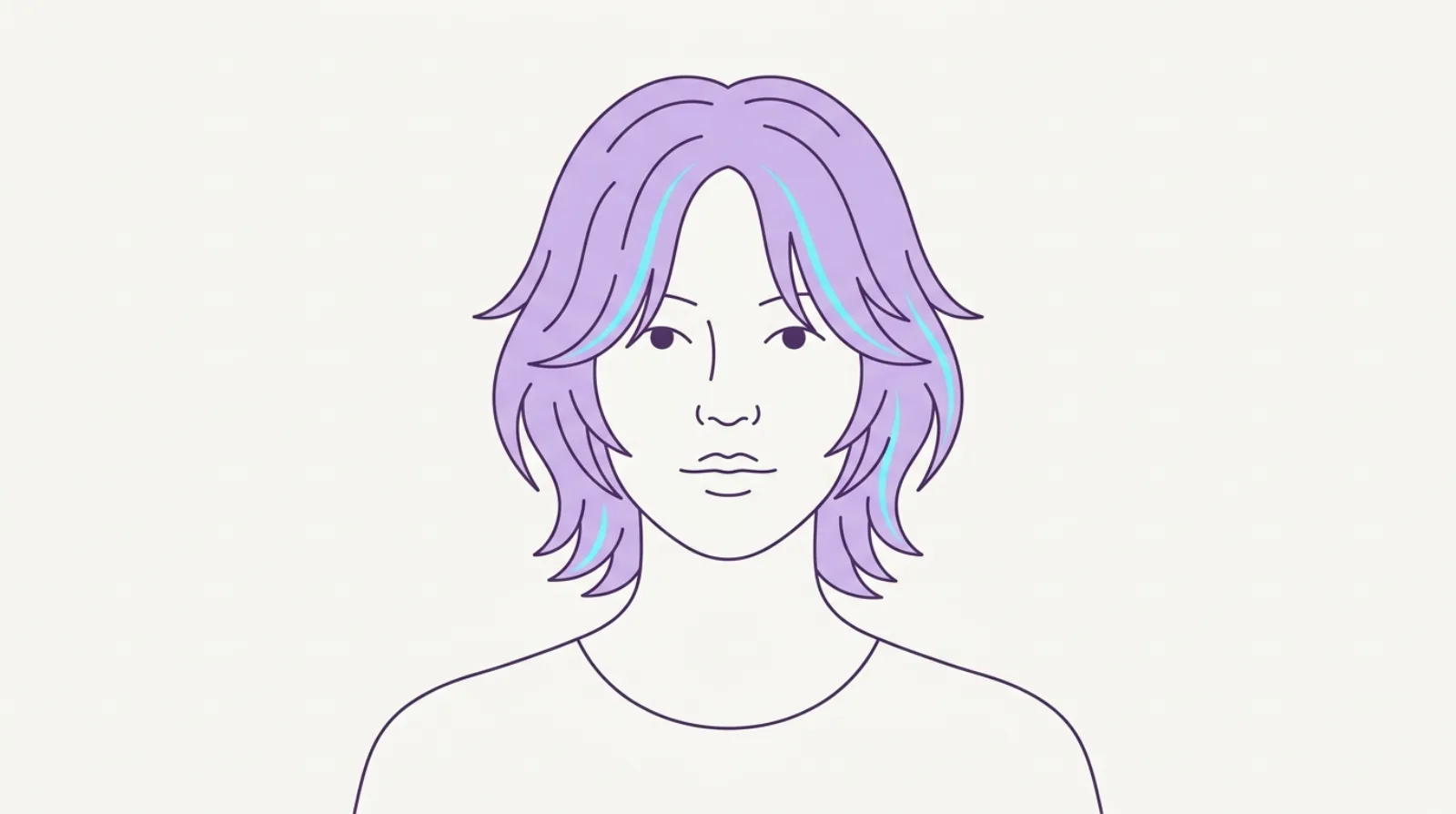 More in women's hairstylesButterfly cut
How they differ from a full layered cut
The other thing people confuse is face-framing layers with a full head of layers. Again, they overlap, but they do a different job, and you can have one without the other.
A full layered cut adds shape all over your head. The stylist cuts shorter pieces throughout, from the crown down to the ends, all around. This removes bulk, adds movement, and gives your whole style body and bounce. A long layered cut or a butterfly cut are examples of styles built on layers through the whole head.
Face-framing layers only touch the front. The rest of your hair stays one length, or keeps whatever shape it already had. Only the pieces around your face are cut shorter and angled. So framing changes the front view of your hair, while the back and the bulk stay the same.
That difference matters for two reasons. First, framing is far less of a change, so it is a gentler first step if you have never had layers. Second, the two work beautifully together. Many cuts pair a full set of layers through the body of the hair with extra framing pieces at the very front for a soft, finished look. The framing is the detail that makes the layers look intentional around your face.
So when you talk to your stylist, be clear which you want. Ask for face-framing pieces if you want to keep your length and only shape the front. Ask for layers throughout, plus framing, if you want movement all over as well. Mixing up the two words is the most common reason people end up with more cut off than they meant. The haircuts by length guide can help you picture the whole shape first.
Lengths and versions to choose from
Face-framing layers come in several lengths, and the one you pick changes the whole feel of your look. Here are the main versions.
Cheekbone framing. The shortest piece starts up high, around your cheekbone. This is the boldest, most eye-catching version. It puts soft shape right at the top of your face and draws attention to your eyes and cheekbones. It suits people who want their framing to be noticeable.
Jaw-length framing. The front piece begins around your jaw or chin. This is a popular middle-ground choice. It softens the lower half of your face and works on almost everyone. It is a safe, flattering place to start if you are unsure.
Collarbone framing. The shortest piece is longer, sitting near your collarbone, with the rest flowing down from there. This is the softest, most subtle version. It adds a gentle shape without a big contrast in length. It suits longer hair and anyone who wants framing that whispers rather than shouts.
The money piece. This is a special version worth knowing. The two front framing pieces are dyed a lighter or brighter shade than the rest of your hair, so they glow against your face. The lighter colour catches the light and lifts your features, a bit like highlighter on your cheeks. You can have a money piece with any framing length. There is more on pairing colour with framing later in this guide, and the hair colour guide covers the shades that work.
As a rule, the higher the shortest piece starts, the bolder the look. Cheekbone framing makes a statement. Collarbone framing is barely-there. Pick the height that matches how much shape you want people to notice.
Which face shapes they flatter, and how
This is where face-framing layers really earn their place, because they can be shaped to balance almost any face. The trick is choosing where the pieces start and which way they angle.
Round faces. A round face is about as wide as it is long, with soft, full cheeks. Framing helps by adding length and slimming the sides. Ask for longer framing that starts below the chin and falls straight down past the jaw. Those vertical lines pull the eye up and down, which makes a round face look longer and less wide. Avoid short pieces that curve in at the cheeks, because a curve there adds width exactly where a round face does not want it.
Square faces. A square face has a strong, angular jaw. Framing softens those corners. Soft, wavy framing pieces that graze the jaw break up the straight line and take the hard edge off. A little curve or bend in the front pieces is your friend here. It trades sharp angles for gentle ones.
Long or oblong faces. A long face is taller than it is wide. Framing helps by adding width and cutting the length. Ask for shorter framing that starts up around the cheekbone, with a soft curve or a wave. That shape adds fullness across the middle of the face, which makes a long face look shorter and more balanced. Skip long, flat pieces that pull straight down, because they only add to the length.
Heart-shaped faces. A heart face is wider at the forehead and narrows to a small chin. Framing that starts around the jaw and gently widens toward the chin adds a little fullness at the bottom, which balances the narrow chin against the wider top.
Oval faces. An oval is already balanced, so nearly any framing works. Pick the length and shape you like best.
The simple rule to remember: straight, longer framing slims a wide face, and shorter, curved framing adds width to a long one. Not sure which shape you have? The hairstyles by face shape guide walks through each one, and the face shape quiz gives you a quick read.
Not sure which face shape is yours? Kurli reads it from one selfie and shows the cuts that suit it.
Hair types and textures that work
One of the best things about face-framing layers is that they work on nearly every hair type. The cut just needs to be adjusted to suit your texture.
Straight hair. Straight hair shows framing cleanly, because every line is easy to see. The angles read crisp and sharp. The trade-off is that straight hair also shows a blunt or uneven cut, so the framing needs to be blended softly or it can look like a hard step. A little flick at the ends with a round brush keeps it from looking too severe.
Wavy hair. Waves are a natural fit for framing. The gentle movement softens the pieces and makes them look effortless. You barely have to style them. The waves do the work of turning a straight cut into a soft frame.
Curly hair. Curly hair can absolutely wear framing, but it needs a stylist who understands curls. Because curls spring up shorter than they hang when wet, the pieces must be cut with that shrinkage in mind, often cut dry or curl by curl. Done well, framing lifts curls off the face and shows off their shape. Done without care, a front piece can spring up far shorter than expected.
Coily hair. Coily hair frames beautifully too, with the same rule as curls. The cut must respect how much the coils draw up. A skilled stylist shapes the front so the coils sit evenly around your face. Keep the hair well moisturised so the framing pieces stay soft and defined.
Fine hair. Framing can make fine hair look fuller around the face, because the shorter pieces add the look of a second layer. Keep the framing soft and avoid taking too much length, so the ends do not look thin.
Thick hair. Thick hair frames well and holds a shape all day. The stylist may thin the front pieces slightly so they do not sit too heavy. For more on matching a cut to your texture, see hairstyles by hair type.
How they are cut
It helps to understand roughly how a stylist creates face-framing layers, so you know what to expect in the chair and what to ask for.
The stylist starts by taking the front sections of your hair, the pieces that sit closest to your face on each side. They decide with you where the shortest point should sit, at the cheekbone, the jaw, or the collarbone, based on your face shape and how bold you want the look.
From that shortest point, they cut the hair on an angle so it gets gradually longer as it blends back into the rest of your hair. This angle is the whole trick. A gentle angle gives soft, subtle framing. A steeper angle gives a more dramatic, noticeable frame. The stylist blends the shortest front piece into your length so there is no hard step, just a smooth flow from short to long.
Many stylists use a technique where they hold the hair and cut into the ends at a slight tilt rather than straight across. This is sometimes called point cutting. It softens the ends so the framing looks feathery instead of blunt. On curly and coily hair, the cut is often done dry, so the stylist can see exactly where each curl will sit.
You do not need to know the technical words. What you do need is to be clear about two things: where you want the shortest piece to start, and how soft or bold you want the angle. Bring a photo if you can. A picture removes all the guesswork and helps you and your stylist land on the same look. The how to ask your stylist for the right cut guide gives you a full script.
How to style them at home
Face-framing layers look their best when the front pieces have a little shape flicked into them. Here are the easy ways to style them.
The round-brush flick-out. This is the classic way to style framing. After washing, dry your hair most of the way. Then take a round brush, wrap the front framing piece around it, aim your hair dryer at it, and roll the brush outward, away from your face, as you dry. This flicks the ends away from your face and gives that soft, swept-back shape. Do the same on the other side. It is the look you see on most framing styles, and it takes a couple of minutes once you get the hang of it.
The wand or curling iron. For a softer, more romantic finish, use a curling wand on the front pieces. Wrap the framing piece around the wand, again pointing the hair away from your face, hold for a few seconds, and release. This gives a gentle bend rather than a tight curl. It suits an evening look or when you want a bit more polish.
Air-dry for wavy and curly hair. If your hair is wavy or curly, you may not need heat at all. Apply a little product, scrunch the front pieces gently, and let them dry naturally. The texture shapes the framing on its own. This is the kindest option for your hair, since it uses no heat.
A note on heat. Whenever you use a dryer, wand, or iron on your framing pieces, use a heat-protectant spray first. Dermatologists point out that repeated heat styling can dry out and damage the hair over time, and the front framing pieces get styled more often than the rest, so they take the most heat. A protectant and a lower heat setting keep them healthy. Turn the tools down and give the front pieces a rest day when you can.
Pairing framing with a money-piece highlight
The money piece and face-framing layers are a natural team, and pairing them is one of the most popular hair moves right now. It is worth understanding how they work together.
A money piece is when the two front framing sections are coloured lighter or brighter than the rest of your hair. The name comes from the idea that these are the most valuable, eye-catching pieces of your whole colour. When you already have framing layers cut at the front, those exact pieces are the perfect place for the lighter colour, because they are the ones that fall against your face.
Why it works so well: the lighter shade catches the light and reflects it up onto your skin. It brightens your face, a bit like standing near a window. It also makes the framing more visible, so the shape of the cut shows off more. The cut gives the movement, and the colour makes it glow.
You can go bold or soft. A big jump in shade, like light blonde money pieces on dark hair, makes a strong statement. A gentle lift, only a shade or two brighter, gives a soft, sun-kissed effect that looks natural. Either way, the colour follows the framing shape, so the two features line up.
One care note. Lightening the front pieces, especially a big jump in shade, can leave them a little drier than the rest of your hair, because colour treatment is hardest on the areas that are lifted the most. Those are the same pieces you style with heat most often, so give them extra conditioner and be gentle. The hair colour guide covers how to choose a shade that suits your skin tone and how to keep coloured hair healthy.
Upkeep and growing them out
Face-framing layers are fairly low-maintenance, but they are not completely hands-off, so it helps to know what to expect over time.
Trims. The front framing pieces are the shortest hair on your head, so they show growth first. As they grow, the shortest point drops lower and the crisp shape softens. Most people get the framing tidied up every 8 to 12 weeks to keep it looking sharp. The good news is that a framing trim is quick and only touches the front, so it is cheaper and faster than a full cut. Some stylists will do a quick framing tidy between your bigger appointments.
Daily upkeep. Day to day, the only real upkeep is the styling. The front pieces like a quick flick with a round brush or wand to sit right. Beyond that, treat them like the rest of your hair, with gentle washing and conditioning.
Growing them out. This is a big plus of framing over a full fringe. Face-framing layers grow out gracefully. Because the pieces are already long and blend into your length, there is no awkward stage. As they grow, they simply become longer framing, then eventually blend back into your one-length hair. You never hit the point, like you do with bangs, where the pieces are too long to style and too short to tuck away. If you decide framing is not for you, you can just let it grow with no drama. That low-risk grow-out is a big reason framing is such a friendly first change.
Common mistakes, pros and cons
Face-framing layers are forgiving, but a few mistakes catch people out. Knowing them helps you get it right.
Common mistakes. The biggest one is starting the shortest piece in the wrong place for your face. Short framing at the cheekbone can add width to a round face that does not want it, and long, flat framing can stretch a long face further. Match the start point to your shape, as covered above. Another mistake is cutting the front too short by accident, which happens most on curly hair when the cut ignores how much curls spring up. Always tell your stylist about your texture. A third is styling the framing toward your face instead of away from it, which can make it look like it is closing in on your features. Flick the pieces away from your face, not into it. The last common slip is skipping heat protection on the front pieces, which take the most styling and so dry out first.
The pros. Framing is a low-risk change, since it keeps your length and only shapes the front. It flatters nearly every face shape when placed well. It works on almost all hair types. It grows out with no awkward stage. It pairs perfectly with a money-piece colour. And it makes even a plain haircut look finished and intentional.
The cons. The front pieces need a quick style most days to sit right, so it is not fully wash-and-go for straight hair. The framing needs a trim every couple of months to stay crisp. And the front pieces take the most heat, so they need care to stay healthy. Weigh those against each other. For most people, the gentle, flattering shape is well worth the small effort. Want to see it on your own face first? Try a look with Kurli.
Common questions
What are face-framing layers?
Face-framing layers are shorter pieces of hair cut around the front of your head, on purpose, to shape your face. They start near your cheekbone, jaw, or collarbone and angle down, getting longer as they blend into the rest of your hair. They frame your features and soften the edges of your face without changing your overall length.
What is the difference between face-framing layers and curtain bangs?
Curtain bangs are a fringe that starts high on your crown and falls across your forehead, sweeping back like open curtains. Face-framing layers start lower, around your cheekbone or jaw, run down the side of your face, and do not cover your forehead. Bangs sit in front of your face; framing sits beside it. You can wear one, the other, or both together.
Are face-framing layers the same as a layered cut?
No. A full layered cut adds shorter pieces throughout your whole head for movement and body all over. Face-framing layers only shape the front pieces around your face, while the rest of your hair stays one length. Framing is a much smaller change, and the two work well together when you want movement all over plus a soft front.
Which face shapes suit face-framing layers?
Nearly all of them, when placed right. Round faces suit longer, straighter framing that slims the sides. Square faces suit soft, wavy framing that grazes the jaw. Long faces suit shorter, curved framing up near the cheekbone that adds width. Heart faces suit framing that widens toward the chin. Oval faces suit almost any version. The start point and angle are chosen to balance your shape.
Do face-framing layers make a round face look slimmer?
Yes, when they are cut the right way. Ask for longer framing that starts below the chin and falls straight down past the jaw. Those vertical lines pull the eye up and down, which makes a round face look longer and less wide. Avoid short pieces that curve in at the cheeks, since a curve there adds width where a round face does not want it.
What is a money piece?
A money piece is when the two front framing sections are coloured lighter or brighter than the rest of your hair, so they glow against your face. The lighter shade catches the light and lifts your features, a bit like highlighter. It pairs perfectly with face-framing layers, because the framing pieces are exactly the ones that fall against your face.
Can I get face-framing layers on curly or coily hair?
Yes, and they look great, but the cut must respect how much curls and coils spring up when they dry. Curly hair hangs longer when wet and draws up shorter when dry, so a good stylist cuts the front dry or curl by curl. Done with care, framing lifts your curls off your face and shows their shape. Always tell your stylist about your texture.
How do I style face-framing layers at home?
The classic way is the round-brush flick-out. Dry your hair most of the way, wrap the front piece around a round brush, aim the dryer at it, and roll the brush outward away from your face. For a softer look, use a curling wand on the front pieces, again pointing away from your face. Wavy and curly hair can often air-dry with a little product and no heat.
How often do face-framing layers need trimming?
Most people get the framing tidied every 8 to 12 weeks. The front pieces are the shortest hair on your head, so they show growth first and the crisp shape softens over time. A framing trim is quick and only touches the front, so it is faster and cheaper than a full cut. Some stylists will do a quick framing tidy between bigger appointments.
Are face-framing layers hard to grow out?
No, and this is one of their best features. Because the pieces are already long and blend into your length, framing grows out gracefully with no awkward stage. As it grows, it simply becomes longer framing and eventually blends back into your one-length hair. Unlike bangs, you never hit a point where the pieces are too long to style and too short to tuck away.
Do face-framing layers work on fine hair?
Yes. Framing can make fine hair look fuller around the face, because the shorter front pieces add the look of a second layer. Keep the framing soft and avoid taking off too much length, so the ends do not look thin. A gentle, blended cut works better than a sharp, blunt one on fine hair.
Will face-framing layers damage my hair?
The cut itself does not damage hair, but the front pieces take the most heat styling, since you flick or curl them most days. Dermatologists note that repeated heat can dry out and harm hair over time. Use a heat-protectant spray, keep the tools on a lower setting, and give the front pieces a rest day when you can. If you also lighten them for a money piece, add extra conditioner.
Sources
Hair biology and hair-care facts on this page are supported by these sources. Styling recommendations are guidance.
- Tips for healthy hair, American Academy of Dermatology
- How to style hair without damage, American Academy of Dermatology
- Everyday hair care, American Academy of Dermatology
- Hair Problems, MedlinePlus, U.S. National Library of Medicine
- Hair Follicle, Cleveland Clinic
See it on your own face
Kurli reads your face from a selfie, recommends styles that suit you, and renders each one onto your photo.
The face-shape read and your top pick are free. Your photo is never sold or used to train AI.